


Soap
Bulk Soap Dispensers vs Solid Bars: What the Hygiene Data Really Says
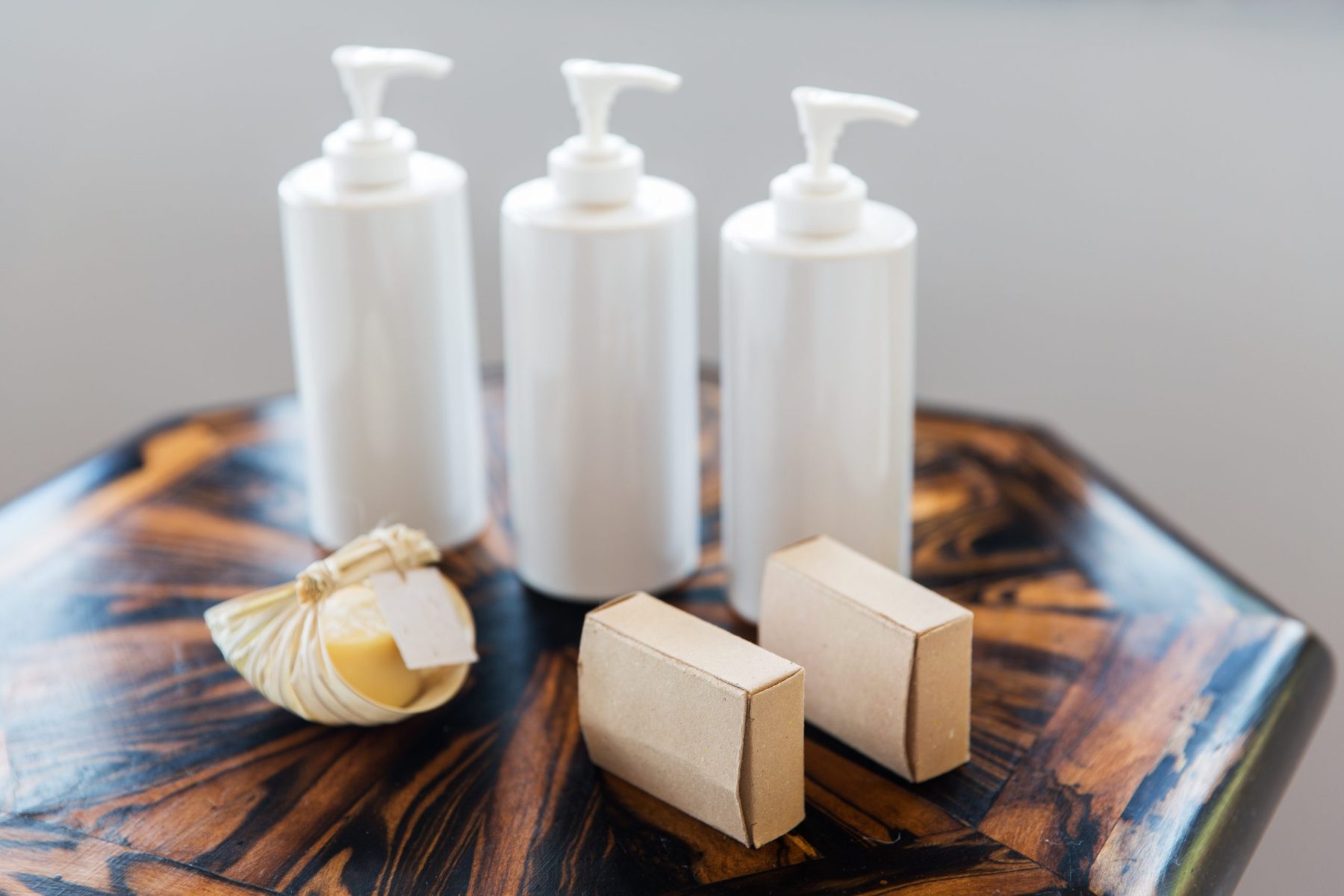
Walk into almost any hotel lobby restroom, gym shower block, or office washroom, and you’ll find the same wall dispensers: refillable pumps topped off from a gallon jug. It is familiar, cheap to run, and quietly flawed. Facility managers tend to choose a hand-cleaning format once, then rarely revisit it. The gap between an open reservoir and a solid bar, though, is not cosmetic. It touches on cleanliness, labeling laws, and what guests carry on their hands. So which format earns its place on the wall, and where do solid bars quietly win?
The Short Answer: Are SOLID Bars More Sanitary Than Bulk Refill Systems?
For most hotels, gyms, and offices, sealed cartridge systems and solid cleansing bars are the more sanitary choice, ahead of open bulk refill dispensers. An open refill unit can accumulate microbial residue inside the tank when maintenance slips, whereas a solid format has no internal reservoir to harbor it. Cost and guest expectations still matter, but on cleanliness alone, the design decides cleanliness more than the brand does.
| Format | Cleanliness | Compliance | Cost | Best fit |
| Open bulk refill | Highest microbial risk | Moderate | Lowest | Budget, high-volume sites |
| Sealed cartridge | Low microbial risk | Strong | Medium | Healthcare, food service |
| Solid bar | Very low; no reservoir | Formula-dependent | Medium | Hotels, spas, retail |
Key Terms, Defined
A few short definitions make the rest of this comparison easier to follow.
- Bulk dispenser. Any wall-mounted unit whose tank is refilled by hand, jug by jug.
- Open refill dispenser. A bulk unit whose reservoir meets the air every time staff tops it off.
- Sealed cartridge dispenser. A unit fed by a closed, single-use cartridge that is swapped rather than poured.
- Syndet bar. A cleansing bar built on synthetic detergents, classed as a cosmetic rather than true soap.
- True soap. A bar that cleans using only fatty-acid alkali salts and is marketed for nothing beyond washing.
Why Open Refill Systems Took Over Washrooms
Open soap dispensers became the default for purchase order reasons, not for health reasons. Refilling is simple. Staff lift a lid, pour from a jug, and move on. The math looks friendly on a spreadsheet, especially across a property with dozens of wall dispensers.
Several things made these soap dispensers the standard choice:
- Low entry price. The hardware runs only a few dollars per wall fixture.
- Cheap restock. Buying bulk soap drops the per-wash cost to pennies.
- Familiar workflow. Cleaning crews know the routine, so training is near zero.
- Wide availability. Almost every supplier stocks compatible bulk-fill soap jugs.
- Fast rollout. A site can outfit fifty sinks in an afternoon.
None of that is wrong, exactly. But the open design that eases refilling also opens the reservoir every time someone tops it off. What gets in does not always rinse back out, which is why operators are moving toward pressed formats like syndet cleansing bars.
The Contamination Problem Hiding In The Reservoir
Here is the part the spreadsheet leaves out. When a worker lifts the lid, the tank meets the restroom environment, unwashed hands, and whatever drifts through the room. Over weeks of topping off without a full clean-out, residue builds along the inner walls.
What The Field Data Shows
The risk is not theoretical. In a peer-reviewed study published in Applied and Environmental Microbiology, researchers reported that “approximately one in four dispensers in public restrooms are contaminated,” and then measured what reached real hands.
- Washing with product from a tainted reservoir raised gram-negative bacteria on hands about 26-fold.
- Sealed soap dispensers, by contrast, lowered the count after each wash.
- Organisms recovered from the soiled product included antibiotic-resistant strains.
- Transfer tests showed germs moving from washed hands onto other surfaces.
- The dilution typical of cheap formulas appeared to feed the growth.
People left the sink dirtier than they arrived. The whole point of the fixture, cleaner hands, was inverted by the format. That genuine contamination risk sits at the heart of any honest hygiene comparison.
When Cleaning Is Not Enough
Could a strict schedule fix it? Partly, though less than you would hope. Once bacteria settle inside a tank, they can form a biofilm, a sticky community that clings to plastic and shrugs off ordinary disinfectants. Work on these reservoirs found that the protective layer returns even after scrubbing, so one deep clean rarely solves the underlying issue. Bacterial contamination, then, is not always a one-and-done event. It can be structural to the open dispenser itself, the difference between a maintenance task and a design flaw.
Where SOLID Bars Change The Math
Now swap those soap dispensers for a bar. A pressed bar has no reservoir to top off, no lid to lift, no inner cavity for residue to gather. When a guest finishes, the surface dries between uses instead of sitting in watered-down product. That single structural fact removes most of the pathway that lets refillable dispensers go bad.
What you gain by switching:
- No open tank. Nothing to pour into means airborne and hand-borne microbes find no cavity to colonize.
- No dilution. A pressed format entirely skips the watered-down failure mode.
- Less packaging. A bar ships with little or no plastic, trimming waste.
- Smaller footprint. A simple dish replaces bulky wall hardware.
- Portion control. Each guest lifts only what one laborer needs.
- Premium feel. A well-pressed bar reads as considered, rather than institutional.
The hospitality sector has noticed. Boutique hotels and wellness brands stock bars beside the basin and inside shower stalls, partly for the cleaner story, partly because the format feels upmarket.
The Trade-offs Nobody Mentions
Let me push back on my own argument: bars are not flawless.
- Shared-bar optics. A communal bar at a busy sink can look unappealing, even when rinsing sheds most surface microbes.
- Drainage needs. Left in standing water without a draining dish, a bar turns soft and messy.
- Restock cadence. High-traffic sinks burn through bars fast.
- Guest habit. Some visitors still expect a pump-and-pause at a bar.
- Cost ceiling. A premium bar can cost more per wash than the cheapest liquid soap.
- Format fit. Heavy industrial grease removal still calls for a robust liquid.
The choice is rarely absolute and comes down to matching the format to the room.
Matching The Right Format To Your Facility
Which option belongs where? The higher the contamination stakes and the more a brand wants a premium feel, the stronger the case for bars rather than open bulk dispensers.
Weigh these factors before you replace anything:
- Traffic volume. A stadium restroom and a spa suite have wildly different demands.
- Brand positioning. Eco and luxury labels lean toward bars; budget sites stay with bulk.
- Maintenance staffing. Bars need draining; dishes need sealing; units need cartridge swaps.
- Guest expectation. Match the experience to what visitors will use without friction.
- Climate. Humid rooms soften bars faster and reward better drainage.
- Sustainability goals. Cutting plastic gives bars a clear edge on environmental reporting.
For a boutique chain weighing amenity upgrades, the sweet spot is often pressed bars at the sink with a sealed dispenser in the shower.
Who Should Choose Which Format?
The right pick depends on traffic, regulation, and brand positioning. This matrix sums up where each format tends to land.
| Facility | Recommended format |
| Boutique hotel | Solid bars |
| Luxury resort or spa | Solid bars |
| Hospital or clinic | Sealed cartridge |
| Restaurant or food service | Sealed cartridge |
| Office | Either, by preference |
| School | Sealed cartridge |
| Public stadium | Sealed cartridge |
The Compliance Layer Most Buyers Overlook
Hand hygiene is only half the picture. The other half is what you may legally say on the wrapper, and brands constantly stumble here. Hygiene compliance starts with the label, not the lather.
A Note On Syndet Bars And The Word “SOAP”
Terminology carries legal weight. Under the FDA’s regulatory definition, a product is true soap only when its cleaning action comes from alkali salts of fatty acids, and it is sold solely for cleansing. As the agency puts it, “if the product contains synthetic detergents, it’s a cosmetic, not a soap.” Many gentle, low-pH cleansing bars fall into exactly that category, so precise formulation and honest labeling go hand in hand.
Where “Natural” And “Organic” Claims Trip People Up
Labeling pitfalls cluster in a few predictable spots:
- Drug claims. Phrases like “kills germs” or “treats acne” push a product into drug territory with far heavier rules.
- Cosmetic claims. Saying a bar moisturizes or deodorizes shifts it out of the exempt soap category.
- “Organic.” Federal rules tie organic claims for agricultural ingredients to USDA certification, not to marketing whims.
- “Natural.” The term carries no federal definition, so it promises nothing on a wrapper.
- Required elements. Cosmetic rules require specific label items that exempt soap from being skipped.
Get the wording wrong and a perfectly good bar can be deemed misbranded. That is a problem no fragrance can fix, so confirm claims with counsel before print.
What Healthcare, Food Service, And OSHA Expect
Different rooms answer to different rules. In clinical settings, CDC’s hand hygiene guidance leans on alcohol-based sanitizers for most situations and reserves handwashing for visibly soiled hands, which favors sealed units that keep the product clean. Food service runs the other way: plain soap and water before and after handling food is the baseline, and a tidy sealed system suits a busy prep line. General workplaces fall under OSHA sanitation rules that require accessible handwashing facilities, though they do not dictate a format. Antimicrobial wash is rarely necessary; regulators agree plain soap clears germs in most everyday settings.
The Formats Side By Side
The summary below lines up all three formats at a glance.
| Factor | Open refill fixture | Sealed cartridge fixture | Pressed solid bar |
| Contamination exposure | High; tank open to the air | Low; closed until use | Very low; dries after rinsing |
| Restock method | Refill by pouring | Swap a sealed cartridge | Replace the bar |
| Bacterial film potential | Significant inside the tank | Minimal | None; no reservoir |
| Upfront hardware | Cheapest | Moderate | Lowest; just a dish |
| Ongoing cost | Low per wash | Higher per cartridge | Moderate; traffic-driven |
| Packaging waste | Heavy plastic from jugs | Cartridge plastic | Little to none |
| Best-fit setting | High-volume budget sites | Healthcare, food service | Hospitality, eco, retail |
| Regulatory note | Liquid; cosmetic by default | Liquid, usually cosmetic | Soap or cosmetic by formula |
A bar will not suit every wall, yet, across cleanliness, packaging, and brand feel, it offers advantages the older format cannot match. The right answer depends on the room, the traffic, and the story it tells.
How We Think About It On The Production Side
After years of pressing bars for amenity brands, a few patterns hold. We tell clients the format decision should precede the fragrance decision.
- Start with the setting. The room dictates format more than personal taste does.
- Confirm the claim early. Decide on soap versus cosmetics before formulating, since it drives ingredient selection.
- Plan the holder. A draining tray protects both the bar and the experience.
- Right-size the run. Our minimum order quantity is 5,000 bars, which suits brands testing a line.
- Mind the cadence. Weekly output reaches 35,000 bars, so scaling up rarely bottlenecks delivery.
It is what we have learned watching brands move from liquid soap toward something more deliberate. For a poured route, our melt-and-pour production includes glycerin and decorative bars, too.
Frequently Asked Questions
Are refillable soap dispensers sanitary?
They can be, but only with upkeep that many sites never sustain. The weakness is the open tank: every top-off exposes it to air and hands, and a diluted formula feeds microbial growth. Sealed cartridge dispensers sidestep this because the product stays closed until it dispenses. If a property keeps an open dispenser, staff should fully empty and disinfect the tank between fills rather than pouring fresh product onto old residue, which only buries the problem deeper.
Is bar soap less hygienic?
This is a common worry, and the evidence is reassuring. Research shows that while a shared soap bar can carry surface microbes, those bacteria do not meaningfully transfer to clean hands during normal washing under running water. The lather and rinse carry them off. A bar also dries fully between washes, denying microbes the standing moisture they need to multiply, the opposite of conditions inside a warm, watered-down reservoir. A slotted dish keeps it firm and tidy.
What are the different types of bar soap dispensers?
For bars, the dispensing hardware is really about presentation and drainage. Slotted or ridged dishes allow water to run off, so the bar firms up between uses. Wall-mounted magnetic holders grip a bar by a small embedded pin, keeping it clear of wet surfaces. Draining trays suit busy sinks, while suction or adhesive cradles work in showers. Some powered units even shave or grate a bar into flakes. For shared rooms, prioritize designs that keep the bar elevated and dry.
Can bacteria grow in a soap dispenser?
Yes, and that is the core flaw of open refillable hardware. Bacteria enter when the lid lifts, then settle and multiply inside the dispenser, feeding on the diluted product and sometimes forming a stubborn film on the tank walls. Once that film is established, ordinary cleaning struggles to clear it, and fresh product poured on top is quickly mixed with contaminated soap below. Sealed cartridge units avoid this because nothing external touches the formula. The format, not the brand, decides the result.
Open refill versus sealed cartridge: which is more hygienic?
A sealed cartridge format wins on cleanliness. Because that closed pouch is never poured into an exposed tank, there is no window for room air, hands, or residue to seed microbial growth. The open style, by contrast, is topped off through a lifted lid, and any film that forms inside lingers through later fills. If you are choosing between the two and cannot promise rigorous tank cleaning, the sealed format is the safer default for nearly every room.
The Bottom LINE
Choosing between bulk dispensers and solid bars rests on five things: microbial risk, maintenance capacity, regulatory exposure, guest expectations, and sustainability goals. Open refill units remain the cheapest to run, yet they require disciplined cleaning to remain safe. Sealed cartridges and pressed bars design several of those risks out from the start, so higher-end and health-sensitive sites keep moving toward them. For a commercial washroom, format is a hygiene decision as much as a budget one.
Ready To Rethink Your Washroom SOAP?
Switching formats need not be a leap. Whether you want pressed amenity bars for a hotel rollout or a sealed setup for a clinic, the right partner makes the move smooth. Talk through volumes, formulas, and labeling, and we will map a plan for your property. Reach out through our guest amenity bars program or contact our team for a quote.