


Soap
Solid Shampoo and Conditioner
How Hospitality Buyers Source Solid Shampoo and Soap Bars at Scale
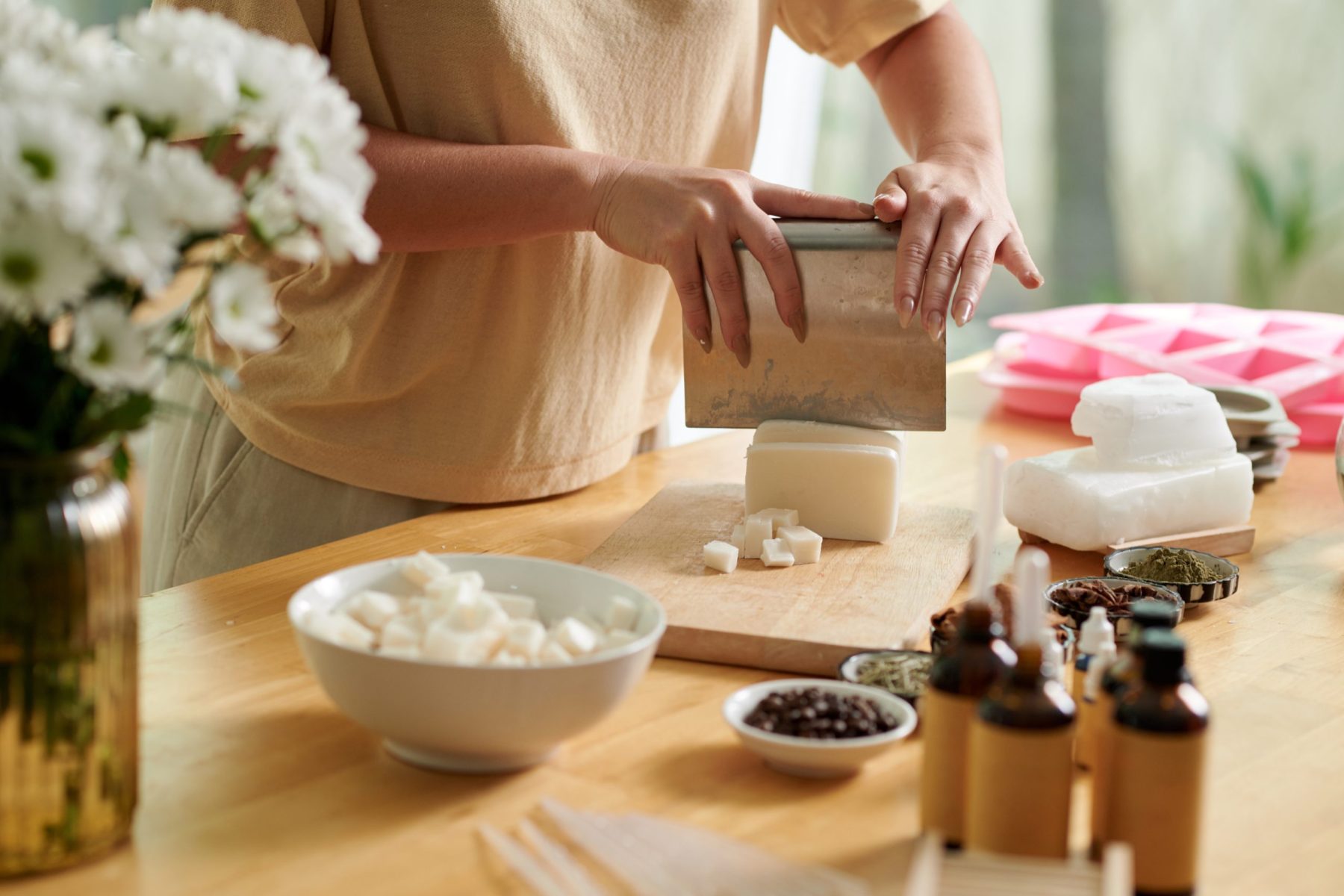
Somewhere between the front desk and the housekeeping cart, guest toiletries became a procurement headache. The tiny plastic bottles are on the way out, banned outright in some states, quietly retired by the big chains, and increasingly side-eyed by travelers who notice waste. For the people who actually buy these products, property-management groups running portfolios of rentals, boutique hotel teams, and hospitality purchasing managers, the question is no longer whether to change. It is how to buy the replacement at scale and make it feel like your brand rather than a generic bar from a warehouse.
Solid bars have stepped into that gap. They photograph well, ship without leaks, and signal the kind of low-waste polish that guests increasingly expect. Done right, a well-made bar of amenity soap for hospitality does double duty: it checks the sustainability box and quietly lifts the room’s perceived value. This piece walks through how volume buyers source, specify, and brand those bars without guesswork.
Why Bars Became a Procurement Decision, Not a Trend
Regulation lit the fuse. California’s AB 1162 prohibits lodging establishments from providing personal care products in small plastic bottles of 6 ounces or less, with the rule applying to properties with 50 rooms or more since January 2023 and to smaller ones since January 2024. Violations start with a warning, then run to fines. Other states have floated similar measures, and major operators like Marriott and IHG had already pledged to drop the minis before any law forced their hand.
So what fills the void? Two answers dominate: wall-mounted bulk dispensers and solid bars. Dispensers solve the plastic problem, yet plenty of guests dislike sharing a pump, and the format reads as budget rather than considered. Bars sidestep that concern. Each guest gets a fresh, sealed product, and the unboxing moment feels closer to a nice hotel gift than a refill station.
There is a logistics story here too. A pallet of bars carries far more “washes” per cubic foot than the same pallet of bottled product, because you are not shipping water. Bars do not leak in transit; they store easily, and a paper wrap recycles cleanly, making it easier for a manager stocking dozens of units, which adds up to fewer damaged shipments and simpler turnovers.
Private Label or White Label: Know Which You Are Buying
This distinction trips up many first-time buyers, so it is worth taking a moment to slow down. The two models sound similar and cost very differently.
- White label means a pre-made bar that already exists on the manufacturer’s shelf, rebranded with your label. It is fast and inexpensive, though the formula and scent are fixed.
- Private label means a bar built to your specification: your fragrance, your ingredients, your shape and size, your packaging. It costs more and takes longer, but the result is genuinely yours.
Which one fits depends on your goals. A management company that just needs compliant, attractive bars across 40 doors might be perfectly happy with a white label run. A boutique group building a signature scent that guests remember and will want to wear will want the private route. Many buyers start with a white label to launch quickly, then graduate to a custom formula once volumes justify it.
What “Ordering at Volume” Actually Means
Custom manufacturing runs on minimums, and this is where expectations need a reality check. A contract maker is setting up equipment, sourcing your specific materials, and running a dedicated batch, so very small orders rarely pencil out for anyone.
At MidSolid Press & Pour, the minimum order is 5,000 bars, and weekly production capacity reaches 35,000 bars. Those numbers matter for planning. A single mid-sized hotel might burn through that many in a season; a property-management portfolio could clear it in weeks. Knowing your real run-rate before you call helps you size the first order and set a reorder cadence.
Lead time is the other variable buyers underestimate. Between formulation, a pre-production sample, your sign-off, and the actual run, a first custom order takes longer than a reorder. Build in that runway, especially if you are timing a launch to a season. To see how the bars themselves come together, the solid shampoo production line is a useful look behind the curtain.
Spec’ing the Bar: The Decisions That Land on Your Desk
A bar seems simple until you have to define one. Here are the choices a buyer makes, roughly in order.
Format and function
Decide what each bar needs to do. A hair-cleansing solid shampoo bar behaves differently from a conditioning bar, and many properties pair the two. If you want a matching follow-up, a private label conditioner bar keeps the lineup consistent. For body cleansing, you can choose a true soap or a gentler syndet bar, a synthetic detergent format that suits sensitive skin and hard water.
Scent, size, and shape
Fragrance is your strongest branding lever, so spend time here. A custom scent ties the room to your identity in a way a logo never quite manages. Size is a quieter decision with real cost weight; a smaller guest bar lowers per-unit price and waste, while a larger bar feels generous in a premium suite. Shape and stamping let you press your mark into the bar itself.
Packaging and labeling
Most hospitality buyers choose paper, board, or compostable wraps to keep the no-plastic promise intact end to end. Your label carries the brand and any required ingredient and weight information. Keep claims honest, which leads neatly to the rules.
A Quick Sourcing Checklist
Use the table below to frame the first conversation with a manufacturer. Filling it in ahead of the first call saves a round of emails.
| Decision | What to weigh | Why it matters |
| White vs private label | Speed and cost against customization | Sets your timeline and unit price |
| Order size | Run-rate across all your rooms | Must clear the supplier’s minimum |
| Bar format | Shampoo, conditioner, or cleansing | Drives formula and equipment |
| Scent | Signature versus stock fragrance | Your most memorable brand cue |
| Packaging | Paper, board, or compostable wrap | Protects the sustainability claim |
| Reorder cadence | Lead time plus seasonal demand | Prevents stockouts at peak |
The Regulatory Basics, Kept Short
You do not need to be a chemist, but a few definitions keep your labels clean. Under federal law, a shampoo bar is a cosmetic because it is meant to cleanse and beautify. A true soap, made primarily from an alkali salt of fatty acids and sold only for cleansing, is actually exempt from the cosmetic category and falls under a different agency. The FDA explains the line in its guide on whether a product is a cosmetic, a drug, or soap.
Two cautions follow. First, the moment a bar claims to treat something, dandruff, eczema, acne, it can cross into drug territory and a much heavier rulebook. Keep guest amenities firmly in cleansing-and-fragrance language. Second, “natural” and “organic” are not interchangeable; organic claims carry their own standards, so a reputable maker will not slap that word on a label without backing. A good manufacturer flags these issues for you rather than letting a marketing line create a problem.
Questions Worth Asking a Contract Manufacturer
Before you commit to a purchase order, get clear answers on the things that derail orders later:
- What is the true minimum, and how does pricing move as volume climbs?
- Do you offer pre-production samples using my scent and formula?
- What are realistic lead times for a first order versus a reorder?
- Which packaging options keep the product plastic-free?
- Can you handle both shampoo and conditioning bars in one run?
A maker who answers these plainly, without hedging, is usually a maker you can plan around.
Frequently Asked Questions
What is the minimum order for custom solid bars?
It varies by manufacturer, but custom runs almost always have a minimum order requirement because the maker sets up equipment and sources materials just for you. At MidSolid Press & Pour, for example, orders start at 5,000 bars, with weekly capacity around 35,000. For a multi-property manager, that volume is modest; for a single small inn, it may cover a full season. Map your actual usage in every room before ordering, so the first batch matches demand rather than guesswork.
Is private-label or white-label better for a hotel group?
A useful rule: pick white-label when speed and price take precedence, and reserve private label for the product guests should remember you for. Plenty of groups split the difference, running a stock body bar while investing in a single custom hero item, like a signature shampoo. Volume is the deciding factor, since a bespoke formula only earns back its setup cost once you are ordering enough units to spread it thin. Sample both before deciding.
Are solid shampoo bars regulated as soap?
Usually not. Hair-cleansing bars count as cosmetics under federal rules, which puts them under the FDA, while genuine soap falls instead to the Consumer Product Safety Commission. That classification carries practical weight: a cosmetic bar requires a full ingredient declaration on its label, and recent rules under the 2022 cosmetics modernization act require manufacturers to register their facilities and products. A reputable maker handles that paperwork, so confirm they do before signing off.
How long do solid bars last in a guest bathroom?
A solid bar typically outlasts the equivalent bottle, since guests use a small amount per wash and a single bar can cover multiple short stays before it needs replacing. Actual longevity depends on bar size, formula hardness, and how a property chooses to present it, whether one bar per stay or a shared bar in longer rentals. When properly stored on a draining dish, a quality bar resists going soft, keeping it looking fresh for the next guest.
Ready to Spec Your First Run?
Switching to bars is the rare upgrade that pleases guests, trims waste, and simplifies your supply closet at the same time. The hard part is just getting the specification right, and that is exactly the conversation a good contract maker should make easy. MidSolid Press & Pour helps hospitality buyers move from a rough idea to a finished, branded bar, with samples before any full run. Start a conversation with our team, and we will talk through the formula, scent, size, and packaging for your properties.
Related Articles:
- Eight Trends Behind the Solid Shampoo and Conditioner Bar Boom
- Why Brands Choose Turnkey Solid Shampoo Bar Manufacturing: 5 Reasons