


Solid Shampoo and Conditioner
Why a Solid Shampoo Bar Deserves a Spot in Your Shower
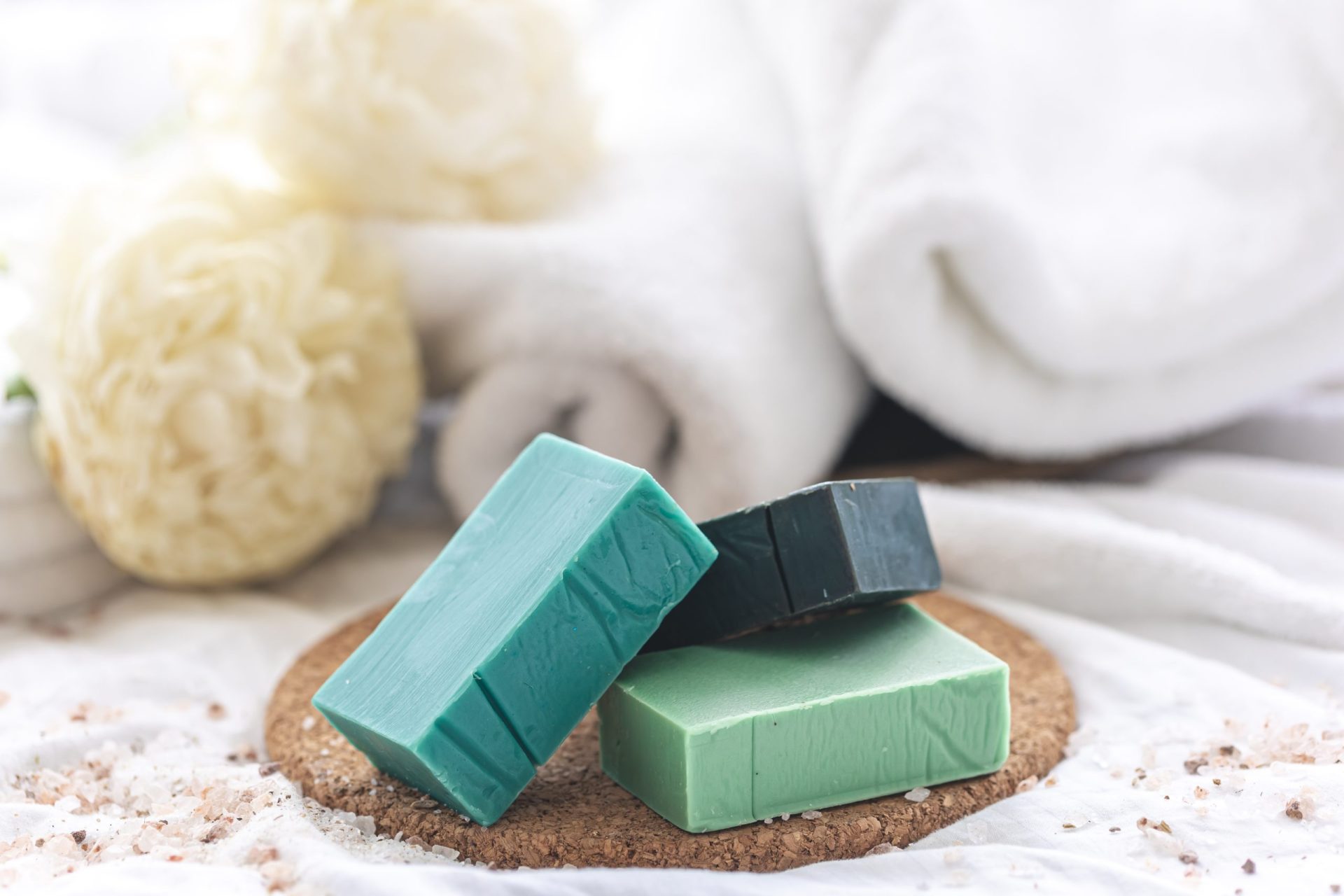
Most of us grew up reaching for a plastic bottle every time we stepped into the shower. Liquid formulas have been the default since the 1930s, and old habits stick around. But the personal care industry has moved forward in ways that make the traditional bottled formula look, well, a little dated.
Solid alternatives are gaining ground with consumers, indie beauty brands, and large retailers alike. And it is not just a trend driven by aesthetics or novelty. There are real, measurable reasons behind the movement, from formulation advantages to environmental impact. Whether you are a brand owner exploring solid shampoo production or a consumer rethinking your routine, here is what the data and our manufacturing experience tell us.
Less Plastic, More Purpose
One Bar Replaces Multiple Bottles
A single compact bar can outlast two to three plastic bottles of liquid shampoo. Americans discard roughly 550 million shampoo containers each year, and the vast majority never get recycled. Solid soap doesn’t require a bulky plastic dispenser to function. It arrives in minimal packaging, often compostable.
- No pump mechanism needed
- No cap or squeeze tube to discard
- Cardboard or paper wrapping replaces rigid HDPE or PET containers
- Smaller packaging footprint means less warehouse and shelf space for retailers
For brands working with a private-label partner, packaging simplification alone can shave weeks off a product launch timeline.
Shipping Gets Lighter
Because bars contain no water, they weigh significantly less than bottled equivalents. Lighter shipments mean lower freight costs and reduced carbon output during transit. One truckload of solid bars can replace roughly 15 truckloads of bottled product; that is a staggering difference in logistics efficiency.
Concentrated Formulas Work Harder
What Goes into a Solid Bar?
Shampoo bars are packed with active cleansing agents, botanical extracts, and conditioning ingredients. The key difference? They skip the 70-80% water filler found in most bottled formulas.
- Surfactants (like sodium cocoyl isethionate in syndet bars) deliver lather
- Natural oils such as argan, coconut, and jojoba nourish strands
- Humectants and proteins support moisture retention
- Essential oils or fragrance compounds provide scent without synthetic carriers
This concentrated approach means a small amount of product goes much further per wash. You use less each time, and the bar lasts 50 to 80 washes on average.
Fewer Fillers, Fewer Preservatives
Liquid shampoo requires preservatives to stay shelf-stable because water creates a hospitable environment for microbial growth. Remove the water, and the need for parabens or similar preservative systems drops considerably. That is one reason many consumers report cleaner roots and a healthier scalp after switching.
Better for Your Hair, Honestly
A Gentler Cleanse
Not every solid formula is created equal, and that matters. Syndet-based bars, which are technically not “soap” under FDA definitions, are pH-balanced to fall within your scalp’s natural range (around 4.5 to 5.5). Traditional cold-process soap bars tend to run more alkaline, which can leave hair feeling waxy or dry during an adjustment period.
When choosing a bar, look for:
- pH-balanced formulas if you want a zero transition period
- Sulfate-free surfactants for sensitive scalps
- Added proteins or panthenol for extra conditioning
- Fragrance-free options if you have reactive skin
People with curly hair often notice a particular difference. Because solid formulas lack the heavy silicones found in many bottled products, curls tend to spring back with more volume and definition over time.
The Transition Period Is Real, but Short
Perhaps the most common concern we hear from first-time users: “My hair felt strange for a week.” That is actually normal. Your scalp has adjusted to years of detergent-heavy liquid formulas, and it needs time to recalibrate sebum production. For most people, this lasts five to ten days. An apple cider vinegar rinse (one part vinegar to ten parts water) can speed things along.
Cost Savings Add Up
Here is where the math gets interesting. A typical bottle of liquid shampoo lasts 25 to 30 washes. A well-made bar? Anywhere from 50 to 80 washes, sometimes more if your hair is short. Even if the upfront price of a bar is slightly higher, you are getting double or triple the use out of it.
| Factor | Liquid Shampoo (Bottled) | Solid Bar |
| Average washes per unit | 25 to 30 | 50 to 80 |
| Water content | 70 to 80% | 0% |
| Typical packaging | Rigid plastic | Paper or cardboard |
| TSA liquid restriction | Yes, subject to limits | No restriction |
| Preservative requirement | Higher (water-based) | Lower (anhydrous) |
| Carbon footprint (shipping) | Higher weight and volume | Lighter, more compact |
For brands building a product line, the economics translate into higher per-unit margins and reduced packaging costs. Hospitality companies sourcing guest amenity bars see similar advantages at scale.
Travel Without the Hassle
Anyone who has wrestled with TSA’s 3.4-ounce liquid rule knows the frustration. Bars sidestep the issue entirely. They fit in a carry-on, a gym bag, or a weekender kit without risking a soapy explosion on your clothes.
- No leak risk
- Lightweight and compact
- No worries at airport security checkpoints
- Ideal for camping, road trips, and extended travel
This convenience has made solid hair care a favorite among frequent travelers and outdoor enthusiasts. In our experience, travel-size bars have become one of the fastest-growing segments in the hospitality market.
Sustainability Beyond the Label
Eco-Friendly from Production to Disposal
Solid formats require fewer raw materials to manufacture per wash compared to their bottled counterparts. The production process typically consumes less energy and water and generates less waste.
- Manufacturing uses less processing water.
- Ingredients tend to be less refined and resource-intensive
- Biodegradable packaging eliminates post-consumer plastic waste
- Smaller batch sizes are more accessible for indie brands
These are not just marketing talking points. Under the Modernization of Cosmetics Regulation Act of 2022 (MoCRA), the FDA is tightening oversight of cosmetic manufacturing practices. Brands that already prioritize sustainable, well-documented production are ahead of the curve.
Supporting Cleaner Waterways
Conventional bottled formulas often contain sulfates, silicones, and synthetic fragrances that wash down drains and enter waterways. Many solid alternatives use plant-derived surfactants and skip the silicone coatings altogether. While no personal care product is entirely free of environmental impact, the reduced chemical load of a well-formulated natural shampoo bar is worth noting.
Versatility Across Hair Types
Solid bars are not a one-size-fits-all product, and that is actually a strength. Contract manufacturers like MidSolid Press & Pour can develop custom formulations for:
- Fine or oily hair (lighter surfactant blends, clarifying botanicals)
- Thick or coarse textures (richer butters, heavier conditioning agents)
- Color-treated strands (gentle, sulfate-free cleansing)
- Sensitive scalps (fragrance-free, minimal ingredient lists)
Conditioner bars pair naturally with these cleansing formulas, creating a complete, solid system that keeps plastic bottles entirely out of the equation. Some handmade soap makers and larger beauty brands are now offering full kits that include a dedicated bar holder or tin for storage.
Common Questions About Switching to Solid Hair Care
Why are shampoo bars better than liquid shampoo?
Solid formulas concentrate active cleansing and conditioning agents without the water filler that makes up most bottled products. This means each wash uses less product overall while delivering a comparable or stronger lather. Packaging waste drops dramatically because rigid plastic containers become unnecessary. Many bars also skip the preservatives required in water-based systems, which can be a plus for anyone with a reactive or easily irritated scalp. The result is a leaner formula that often performs on par with premium bottled options.
What are the advantages of using solid shampoo bars over liquid shampoos, both from a formulation and sustainability perspective?
From a formulation standpoint, anhydrous (waterless) bars allow formulators to include higher concentrations of beneficial ingredients per gram of product. Stability naturally improves without water, reducing the need for antimicrobial preservatives. On the sustainability side, lighter-weight cuts transportation emissions, and compostable packaging replaces single-use plastics. Production itself often demands less energy and fewer processing inputs. Together, these factors create a product that performs well and carries a measurably smaller environmental footprint.
What happens when you switch to shampoo bars?
Your scalp may go through a brief recalibration period, typically lasting one to two weeks. During this window, some people notice hair that feels heavier or slightly oily as sebum production adjusts to a new cleansing agent. This is most common when moving from a sulfate-heavy liquid formula to a gentler solid one. Using a diluted vinegar rinse after washing can help restore pH balance and smooth the cuticle layer faster. After the adjustment, most users report hair that feels lighter, bouncier, and easier to manage day-to-day.
Why is bar soap better than liquid soap?
Solid cleansing formats tend to have a smaller environmental footprint because they eliminate water weight, reduce packaging material, and require fewer preservatives. According to research cited by McGill University’s Office for Science and Society, the carbon output of a bar is approximately 25 percent lower than that of a comparable liquid product. People also tend to use less product per wash with a solid format. Fewer raw materials, less freight energy, and reduced waste all contribute to a cleaner lifecycle from factory floor to bathroom shelf.
Ready to Build Your Own Solid Hair Care Line?
If you are a brand looking to develop a custom solid bar, MidSolid Press & Pour can help you take your concept to a finished product. We work with indie beauty startups, established retailers, and hospitality companies on private label formulations tailored to your audience. Reach out through our contact page to start the conversation, and let’s figure out the right formula, format, and packaging for your next launch.