


Solid Shampoo and Conditioner
What It Takes to Land Your Shampoo Bar in Ulta or Sephora: 10 Requirements Every Brand Needs to Meet
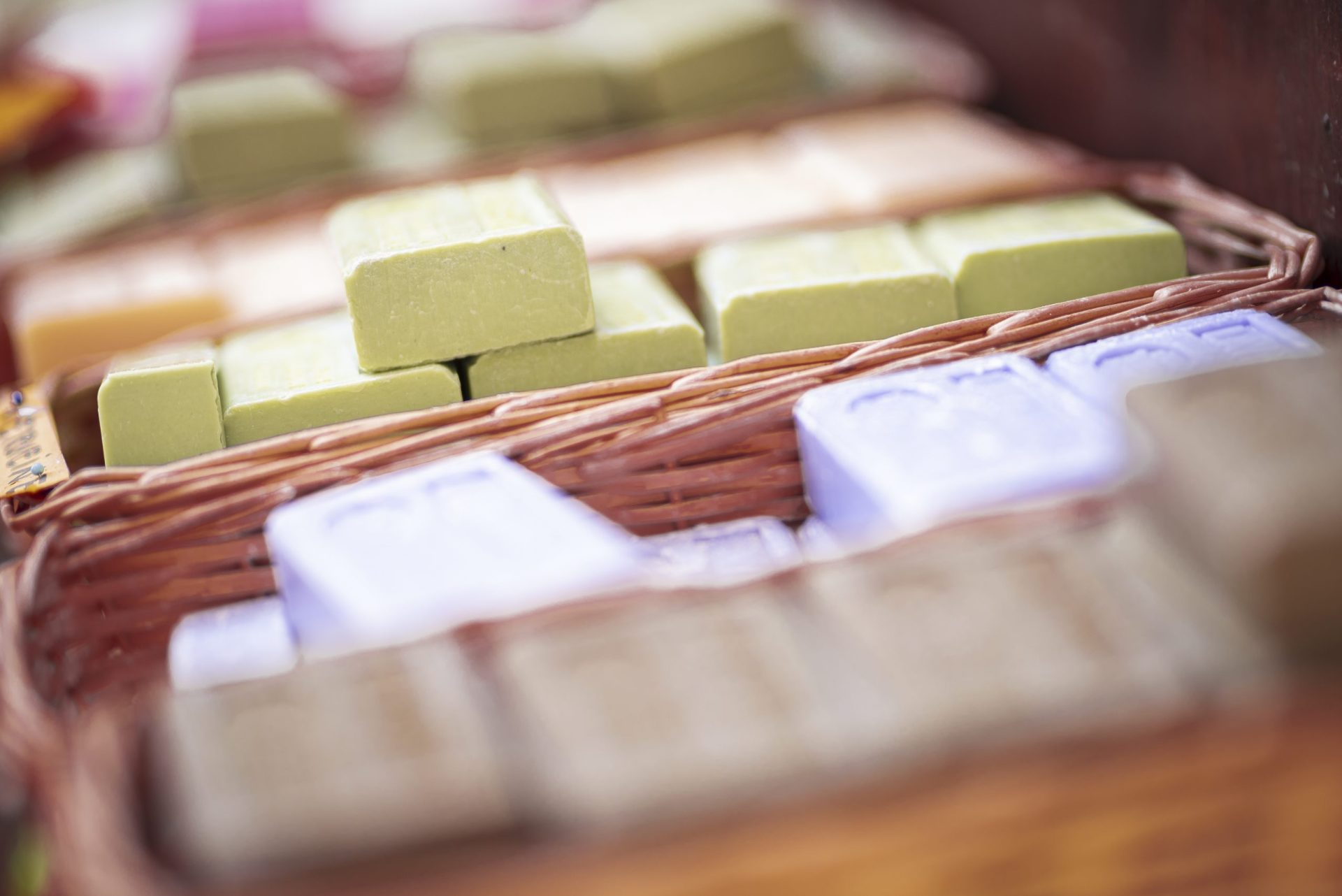
Landing a solid cleansing bar on the shelves of a prestige retailer sounds glamorous. The reality? It is months, sometimes years, of prep work that happens before a buyer ever opens your sample box. And for a category like solid shampoo manufacturing, the stakes are even higher because you are asking merchants to bet on a format that still feels unfamiliar to many mainstream consumers.
Both of these major beauty retailers receive thousands of pitches each year. Perhaps tens of thousands. Only a fraction makes it past the first round. What separates the brands that get callbacks from those that do not? In our experience working with indie labels and established companies alike, it comes down to preparation across 10 specific areas.
Requirement 1: A Product That Meets FDA Cosmetic Standards Under MoCRA
The Modernization of Cosmetics Regulation Act of 2022, commonly called MoCRA, changed the playing field. If you manufacture or distribute cosmetic items for sale in the United States, your facility must be registered with the FDA, and every item must be listed on the Cosmetics Direct portal. Facility registration and product listing became enforceable as of July 1, 2024. Serious adverse event reporting is mandatory within 15 business days.
Here is where it gets nuanced for solid formulations. Under FDA definitions, a true “soap” marketed solely for cleansing falls under a specific regulatory exemption. But the moment you add claims like “moisturizing,” “strengthening,” or “color-protecting,” the item may be classified as a cosmetic, or even an over-the-counter drug if it claims to treat conditions. Syndet bars, which are technically synthetic detergent formulations rather than traditional soap, are classified as cosmetics by default.
What buyers at prestige retailers want to see is that your manufacturing partner follows Good Manufacturing Practices. The FDA’s proposed GMP rule under MoCRA has been delayed and moved to long-term actions, but retailers are not waiting. Sephora and its competitors already expect cGMP-level quality systems in place.
What to Prepare for FDA Compliance
- Facility registration number (FEI) for every production site
- Completed product listings through Cosmetics Direct
- Adverse event reporting procedures are documented internally
- Proper classification of each formula (soap exemption vs. cosmetic vs. OTC drug)
- Labeling that includes a responsible person’s contact information, which became mandatory on December 29, 2024
Requirement 2: Full Alignment with Retailer-Specific Ingredient Restrictions
Both retailers maintain their own “formulated without” lists that go well beyond what the FDA requires. Sephora’s Clean at Sephora program, now in its third version, prohibits more than 50 ingredient categories. Products carrying the Clean seal must contain less than 1% synthetic fragrance and zero undisclosed fragrance compounds. Common restricted substances include parabens, phthalates, formaldehyde-releasing agents, mineral oil, SLS, SLES, triclosan, and coal tar.
The Conscious Beauty program at the other major retailer certifies brands across five pillars: Clean Ingredients, Cruelty Free, Vegan, Sustainable Packaging, and Positive Impact. Their Made Without List excludes parabens, phthalates, and substances from more than 25 chemical categories. Over 300 brands have been certified so far.
For a custom-formulated cleansing bar, this means your contract manufacturer needs to audit every raw material against both retailer lists before production even begins. Failing an ingredient review after samples have shipped is costly and, frankly, embarrassing.
Key Differences Between Retailer Ingredient Programs
| Criteria | Sephora (Clean at Sephora) | Ulta (Conscious Beauty) |
| Fragrance restrictions | Less than 1% synthetic; no undisclosed | Part of the Made Without List categories |
| Number of restricted categories | 50+ | 25+ |
| Third-party vetting tool | Novi Connect | ClearForMe |
| Sustainability seal | Clean + Planet Aware | Sustainable Packaging pillar |
| Is cruelty-free required for a clean seal? | No (separate criteria) | Separate pillar certification |
| Packaging chemical bans | Bisphenols, PFAS, halogenated compounds, mineral oils (effective end of 2025) | Recyclable, refillable, or bio-sourced by weight targets |
Requirement 3: Scalable Production and Reliable Supply Chain
A prestige retailer is not going to greenlight a brand that cannot fulfill orders consistently. Sephora operates roughly 60, consistently 0. A major domestic chain has about 1,400 locations. Even a limited launch in 200 stores, with modest sell-through projections, still demands substantial inventory.
Your contract manufacturer must demonstrate the capacity to produce at scale without quality drift. Ask about weekly output, minimum order quantities, and lead times for sourcing raw materials. Buyers will want to know that you will not go out of stock two months after launch.
- Production capacity should accommodate reorder cycles of 4 to 8 weeks
- Raw material suppliers should have backup sources identified
- Your packaging vendor needs to meet the same timeline demands as your formula manufacturer
- Warehousing and fulfillment logistics must be mapped out before the pitch meeting
Why Scalability Matters More Than You Think
Retail placement is not a one-time event. Seasonal promotions, gift sets, and holiday programs require surge capacity. If your manufacturer cannot flex production, you risk losing your shelf position. In this industry, an empty shelf spot gets filled by someone else fast.
Requirement 4: A Clear and Defensible Unique Selling Proposition
Sephora buyers ask one question early in every conversation: What makes this different? You need to answer that in a single sentence. Not a paragraph. Not a brochure.
For solid cleansing bars, your angle might be a waterless formulation, a proprietary blend of active ingredients, a refill program that cuts plastic waste, or performance that rivals liquid alternatives across every hair type. Whatever the claim, it must be verifiable and not just marketing language. Retailers have seen too many brands with “revolutionary” claims that fall apart under scrutiny.
Consider what white spaces exist. Buyers at the nation’s largest retailer have publicly noted interest in waterless formats, refillable packaging, and formulations featuring native or proprietary ingredients. Your pitch should connect directly to one of those priorities.
Requirement 5: Retail-Ready Packaging and Visual Identity
Your formula might be exceptional, but if the packaging looks like it belongs at a craft fair, you will not get past the first screening. Prestige retailers expect packaging that:
- Communicates the value proposition within three seconds on a shelf
- Survives shipping, handling, and in-store display without damage
- Meets all FTC labeling guidelines, including net weight, ingredient lists, and origin disclosures
- Reflects current design trends without chasing them so closely that you look dated in six months
For solid bars specifically, packaging presents unique challenges. You need to protect the bar from moisture, scuffing, and breakage while also giving the consumer a way to see or feel what they are buying. Windowed boxes, embossed paper wraps, and compostable films are all common solutions.
Packaging Chemistry Restrictions
Starting at the end of 2025, Sephora banned four chemical categories in packaging materials: halogenated compounds (PFAS, PTFE), bisphenols (BPA, PBDE), silver salts, and mineral oils (MOSH, MOAH). Your packaging supplier needs to confirm compliance with these restrictions in writing before you commit to a production run.
Requirement 6: Social Proof, Digital Presence, and Community
Retailers no longer just look at your formula and packaging. They look at your Instagram following, TikTok engagement, email list size, and website traffic. A strong digital footprint signals that you can drive customers to the shelf, not just wait for foot traffic.
This does not mean you need millions of followers. But you do need evidence of an engaged community. Micro-influencer partnerships, authentic user-generated content, strong reviews on your own DTC site, and a consistent posting cadence all matter. Some brands have secured placement on the strength of a single viral TikTok moment, though that alone is rarely enough.
- Build an email list of at least 10,000 subscribers before pitching
- Document your engagement rates, not just follower counts
- Have a PR strategy ready with press hits or media features you can reference
- Create a sell sheet showing your top-performing social content and conversion data
Requirement 7: Sustainability Credentials and Transparency
Sustainability is no longer optional in this market. Sephora’s Planet Aware seal requires brands to meet 32 mandatory criteria across sustainable sourcing, responsible packaging, corporate commitments, and consumer transparency. Qualifying brands must use sustainably sourced palm oil and mica, avoid single-use packaging, and include at least 30% post-consumer recycled content in half of their packaging.
The competing retailer’s Sustainable Packaging pillar aims to have 50% of all packaging sold be recyclable, refillable, or made from recycled or bio-sourced materials. Both programs are evolving, and requirements tighten each year.
For a syndet or pressed bar, sustainability is actually a competitive advantage. Solid formats eliminate plastic bottles, reduce shipping weight, and lower the carbon footprint per wash. Make sure your pitch deck quantifies these benefits with real data.
Certifications That Strengthen Your Pitch
- Leaping Bunny or PETA cruelty-free certification
- B Corp status (counts toward Sephora’s environmental giving criterion)
- FSC-certified packaging materials
- If claiming “organic” on agricultural ingredients, USDA National Organic Program certification is required; do not conflate “natural” with “organic.”
Requirement 8: A Realistic Financial Plan for Retail Launch
Getting on the shelf is expensive. Industry sources estimate that launching into a major retailer can cost $200,000 to $300,000 when you factor in inventory, end-cap displays (up to $30,000 each), influencer send-outs, affiliate programs, and in-store marketing.
Retailers often operate on net 60 or net 90 payment terms. That means you ship the inventory, wait two to three months to get paid, and absorb returns or markdowns if the launch underperforms. Cash reserves need to cover at least two full reorder cycles before revenue starts flowing back.
- Factor in retailer margins, which begin to flow to 50% off wholesale
- Budget for co-op marketing and promotional events
- Plan for sampling programs; both retailers rely heavily on trial-size formats.
- Do not forget the cost of regulatory testing, stability studies, and third-party audits.
Requirement 9: A Professional Pitch and Buyer Outreach Strategy
You do not necessarily need a booth at Cosmoprof to get noticed. LinkedIn outreach, referrals from retail brokers, and accelerator programs like Sephora Accelerate can all open doors.
When you do make contact, send an attractively packaged sample box to the right buyer for your category. Include full-size items in final packaging, trial-size versions, a sales sheet with your pitch and key data points, and a brief personal note. Ship it with tracking. Make the unboxing experience memorable, since buyers receive dozens of these packages each week.
Follow up 3 to 4 days after the package arrives. One email, then a second the following week, and a final one the week after. Beyond that, wait for news or a new reason to reach out, such as a press feature, a reformulation, or a fresh product launch.
Do Not Overlook the In-Person Meeting
Suppose a buyer expresses interest and travels to the meeting. For Sephora, that usually means their offices in San Francisco. First impressions carry weight, and a video call does not have the same impact as sitting across the table. Prepare a polished presentation that covers your origin story, market positioning, financial projections, and launch activation plan.
Requirement 10: Post-Launch Performance and Retention Strategy
Landing on the shelf is only half the challenge. Brands that underperform their sales targets risk being discontinued within 6 to 12 months. Retailers track velocity per door, and if your numbers do not justify the space, someone else gets it.
Plan your post-launch marketing calendar before the first shipment arrives. Coordinate email blasts, influencer activations, in-store events, and paid retail media through platforms like UBMedia or Sephora Media. Both retailers now offer programmatic advertising to brands, and the investment can significantly boost visibility during those critical first 90 days.
- Request sales data from the retailer and review it monthly
- Refresh marketing assets quarterly to avoid stale content
- Prepare a second SKU or limited edition to sustain buyer interest
- Treat your retail account like a partnership, not a transaction
Frequently Asked Questions
How Hard Is It for a Brand to Get into Sephora?
Extremely competitive. The retailer receives thousands of brand submissions annually and selects only a small percentage for placement. Acceptance depends on formula innovation, compliance with clean ingredient standards, packaging quality, digital audience strength, and alignment with current merchandising priorities. Even after initial approval, brands face rigorous onboarding that includes formula audits through tools like Novi Connect, packaging reviews, and financial negotiations over margin structures and promotional commitments. Most successful placements take 12 to 18 months from first contact to shelf availability.
What Qualifications Do You Need to Work at Sephora?
Employment roles vary from in-store Cast Members to corporate positions at the San Francisco headquarters. Entry-level retail roles typically require a passion for cosmetics, strong customer service skills, and the ability to work flexible hours. Corporate merchandising and buying positions demand relevant experience in retail operations, often with a bachelor’s degree in business, marketing, or a related field. The company prioritizes candidates who demonstrate genuine enthusiasm for the industry and stay current with trends across fragrance, skincare, color cosmetics, and other categories. Product Reviewers Make?
Sephora does not operate a formal paid reviewer program for everyday consumers. Members of the Beauty Insider loyalty program can submit reviews voluntarily after purchasing items. Some influencers and tors voluntarily make purchases or earn affiliate commissions through separate partnership arrangements. Third-party affiliate networks occasionally offer compensation for detailed reviews, though rates vary widely depending on audience size and platform. For context, micro-influencer sponsored content rates in the cosmetics space generally range from $100 to $1,000 per post, depending on engagement metrics and follower demographics.
How to Get Free Products from Sephora?
The Beauty Insider loyalty program offers complimentary samples with online orders and birthday gifts tied to membership tiers. Rouge members, the highest tier, receive additional perks including early access to sales and exclusive sample sets. In-store visits allow customers to request up to three free samples of almost any item at the counter. Periodic promotional events and point-redemption options provide additional opportunities. The retailer also runs seasonal sampling campaigns where new launches are distributed as deluxe trial sizes with qualifying purchases.
Ready to Get Your Formula Retail-Ready?
Taking a solid cleansing bar from concept to the prestige retail shelf requires a manufacturing partner who understands both the production side and the regulatory landscape. MidSoliess & Pour with indie labels and established companies to develop custom conditioner and hair care formulations alongside pressed and extruded bar formats that meet the strictest retailer standards. If you are serious about retail placement, reach out to our team to discuss your formulation, packaging, and production needs.