


Solid Shampoo and Conditioner
How Boutique Hotels Stand Apart with Custom Solid Amenity Programs
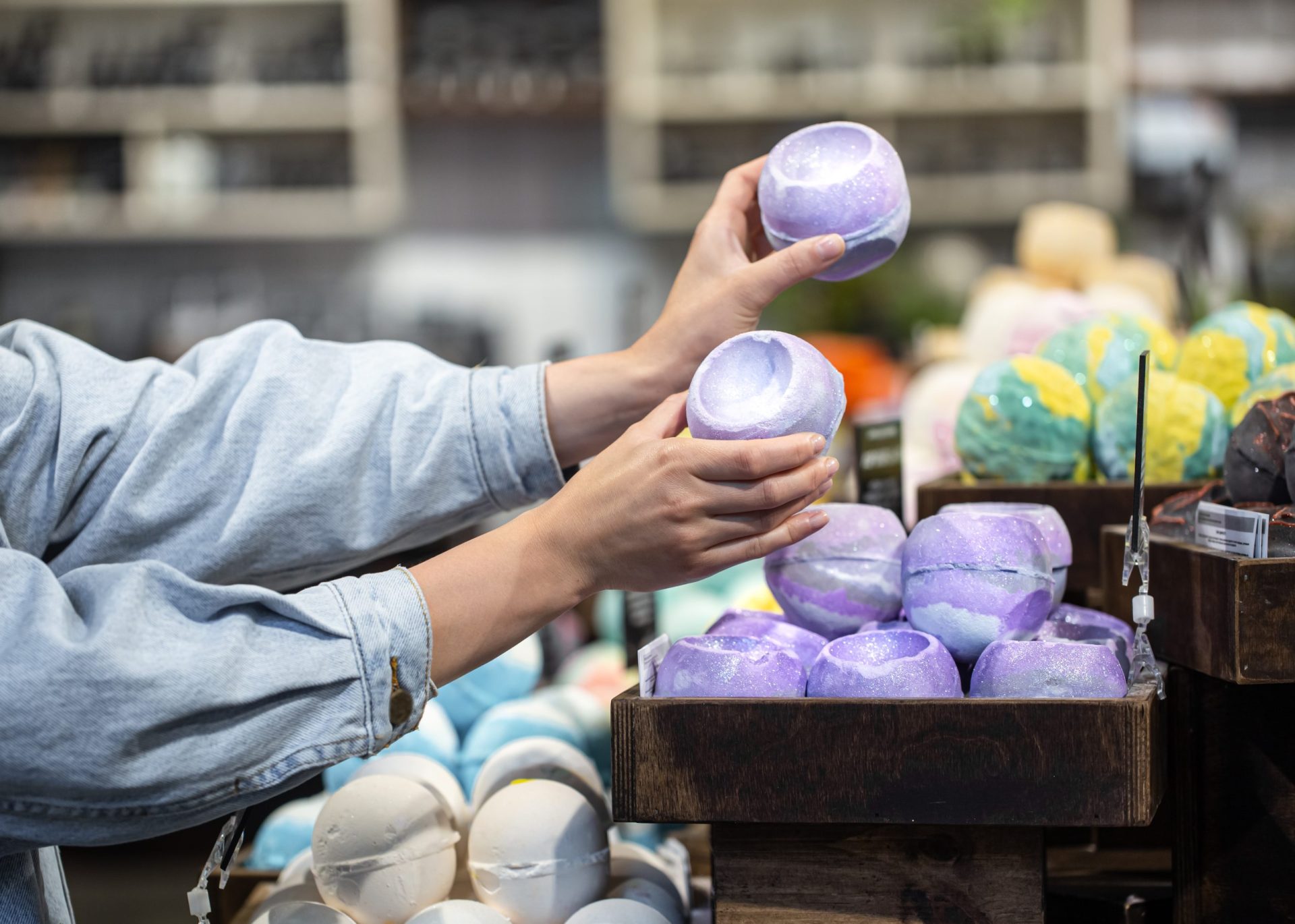
Walk into any boutique hotel bathroom, and within seconds, you form an opinion. The soap at the sink, the bar in the shower, the shampoo on the ledge; these small items carry outsized weight in how guests perceive a property. For independent and boutique properties competing with large chain hotels, the bathroom is perhaps the most underrated branding opportunity.
Here’s the thing: travelers in 2026 are paying closer attention to what sits on that vanity shelf. According to the hospitality research firm STR, properties that invest in custom guest toiletries consistently see stronger review scores in the “amenities” category. That data point should get any hotelier’s attention.
So what does it actually look like when a smaller property commits to a custom solid amenity program? And why are solid bars in particular gaining ground over single-use plastic bottles and generic dispensers? Let’s walk through 10 real strategies that boutique properties are using right now.
1. Building a Signature Scent Identity
One of the most effective ways a property creates lasting recall is through scent. Think about it: smell is the sense most closely tied to memory. A boutique hotel that develops its own fragrance profile for bath bars, shampoo bars, and conditioning bars provides every guest with a sensory anchor for that specific stay.
This goes well beyond picking lavender or eucalyptus off a stock list. The most successful programs involve working with a contract manufacturer to develop a proprietary blend that reflects the property’s location, aesthetic, or story. A coastal inn might lean into salt air and driftwood notes. A mountain lodge could be built around cedar and wild herbs.
How Scent Programs Work in Practice
The process typically starts with a fragrance brief, followed by sample rounds. A manufacturer like MidSolid Press & Pour will produce small test batches so the hotel team can evaluate lather, scent throw, and how the bar performs over multiple uses. In our experience, most properties settle on their final fragrance within two to three rounds.
2. Replacing Plastic Miniatures with Solid Bars
The hospitality industry has been under growing pressure to reduce single-use plastics. California, for example, passed legislation (AB 1162) that prohibits hotels from providing small plastic bottles of personal care products. Several other states and municipalities have followed suit or are actively considering similar rules.
Solid bars offer a clean solution. A pressed shampoo bar or syndet cleansing bar replaces the need for a plastic bottle entirely. Guests use the bar, housekeeping collects what remains, and nothing ends up in a landfill that will sit there for centuries.
- Solid shampoo bars can last 60 to 80 washes, far outlasting a mini bottle
- Bars require less packaging material and shipping weight
- They eliminate the risk of spills or dispenser malfunctions in bathrooms
- Guests increasingly expect sustainable options and reward properties that deliver
This is not a niche trend. Sustainability-conscious travelers now represent a significant and growing demographic, and their expectations influence booking decisions.
3. Offering a Curated In-Room Amenity Collection
Rather than placing a single generic bar on the sink, forward-thinking boutique properties are curating complete collections. A typical program might include a facial cleansing bar, a body bar, a solid shampoo bar, and a conditioning bar, all in a matching design and scent family.
Why Collections Outperform Singles
A coordinated set signals intentionality. It tells the guest that every product in the room was chosen, not just ordered from a bulk catalog. That perception of care is exactly what separates a boutique property from traditional hotels that rely on whatever their distributor offers at the lowest price.
From a manufacturing standpoint, producing a coordinated line is more efficient than most hoteliers assume. The base formulas for solid shampoo, conditioner, and body bars can share core ingredients while varying the active components that define each product’s function.
4. Telling a Local Story Through Ingredients
Boutique hotels thrive on local connection. Guests choose smaller properties precisely because they want an experience rooted in a particular place, not a copy-paste room that looks identical in Dallas or Denver.
Custom solid amenities offer a tangible way to deliver that sense of place. A property in the Pacific Northwest might incorporate locally sourced Douglas fir essential oil. A desert resort could feature prickly pear extract or jojoba from a regional supplier.
One important note: any claims about ingredients must comply with federal labeling guidelines. Under the FD&C Act, products marketed solely as soap (composed primarily of alkali salts of fatty acids and labeled only for cleansing) are under the Consumer Product Safety Commission’s oversight. But the moment you add moisturizing claims, skin benefit language, or therapeutic assertions, the product moves into FDA cosmetic or even drug territory. Boutique properties should work with a manufacturer that understands these distinctions and can help craft compliant label copy.
5. Creating a Retail-Ready Amenity That Guests Want to Take Home
Here’s where amenity programs start paying for themselves. When guests fall in love with a bar of soap or a shampoo bar, they want to buy more. Savvy boutique properties turn their custom toiletries into retail products, available at the front desk, in an on-site shop, or on the hotel’s website.
This approach requires a few things to work well:
- The bar must perform at a level worth purchasing, not just “hotel good.”
- Packaging should be attractive enough for retail display
- Pricing needs to reflect perceived value while remaining accessible
- The product should carry the property’s branding prominently
Some hotels have generated meaningful ancillary revenue from amenity retail programs. It also extends brand presence beyond checkout. Every time a guest uses that bar at home, they’re reminded of the stay.
6. Choosing the Right Bar Format for Your Property’s Needs
Not all solid bars are created equal, and the manufacturing method matters more than most hoteliers realize. The two primary approaches are extrusion (also called press-forming) and hot pour (also known as melt-and-pour).
| Feature | Extruded / Pressed Bars | Hot Pour / Melt-and-Pour Bars |
| Production Speed | High; suited for large volumes | Moderate; better for smaller, artisan batches |
| Shape Flexibility | Standard shapes with custom stamps | Highly flexible; complex molds are possible |
| Texture | Smooth, firm, long-lasting | Softer, more translucent options are available |
| Ingredient Embedding | Limited | Can embed botanicals, colors, layers |
| Best For | Daily-use body and shampoo bars | Decorative bars, specialty gifts, retail display |
| Typical MOQ | Higher (5,000+ units common) | Varies; sometimes lower for specialty runs |
Choosing between these methods depends on volume needs, aesthetic goals, and budget. Many boutique properties use extruded bars for everyday bathroom placement and reserve poured bars for welcome gifts or retail items.
7. Designing Packaging That Reinforces Brand Identity
The bar itself is only half the story. How it’s wrapped, labeled, and presented in the room matters just as much. Boutique properties with strong visual identity carry that through to every touchpoint, and amenity packaging is no exception.
Consider the unboxing moment. A guest picks up a bar wrapped in textured paper with a foil-stamped logo. The weight feels substantial. The scent is present but not overwhelming. Compare that to a shrink-wrapped generic bar with a sticker label. The difference is night and day.
Packaging Considerations
- Paper wraps with custom printing offer an eco-friendly, premium feel
- Cigar bands or belly bands work well for minimalist design approaches
- Boxes add perceived value and protect bars during shipping
- Sustainable packaging materials (recycled paper, soy-based inks, compostable films) align with guest expectations
Work with your manufacturer early in the packaging process. At MidSolid Press & Pour, we’ve seen too many projects where the formula was perfect, but the packaging was an afterthought. Ideally, both develop in parallel.
8. Matching Amenity Quality to Your Room Rate
This seems obvious, but it’s worth stating plainly: the quality of your in-room products should match the price your guests are paying. A property charging $350 per night should not have the same bath bar as a highway motel.
Boutique properties often occupy a sweet spot in the market. They’re not necessarily five-star luxury, but they charge a premium based on experience, decor, and personalized service. The amenity program needs to reflect that positioning.
What does “quality” mean in practical terms for a solid bar?
- Lather performance: Does it produce rich, creamy foam without excessive residue?
- Ingredient integrity: Are the surfactants gentle? Is the fragrance grade appropriate for skin contact?
- Longevity: Does the bar last through a multi-night stay without dissolving into mush?
- Skin feel: Does it leave skin comfortable, not stripped or waxy?
These aren’t abstract questions. They’re the things guests notice, and they influence whether someone mentions “the amazing soap” in their review or says nothing at all.
9. Scaling the Program as Your Brand Grows
Many boutique properties operate a single location, but an increasing number manage multiple sites under one brand. When a hospitality group expands from one property to three or five, maintaining consistency in the amenity program becomes a real operational concern.
This is where working with a contract manufacturer that can handle volume makes a significant difference. A manufacturer producing 35,000 bars per week, for instance, can comfortably supply a growing portfolio without worrying about lead times. Consistency across batches is equally critical; guests at your Nashville property should receive the same bar as those at your Asheville location.
Key Scaling Questions to Ask Your Manufacturer
- What is the minimum order quantity, and does it flex with volume commitments?
- Can you store finished inventory and ship on a scheduled cadence?
- How do you maintain batch-to-batch consistency in scent and performance?
- Will my pricing improve as order volumes increase?
A good manufacturing partner will have clear answers to all of these.
10. Thinking Beyond the Bathroom
The final strategy might be the most creative. Boutique properties that truly commit to custom solid products are finding uses well beyond the standard bathroom placement.
- Welcome amenity bars placed on pillows or in gift baskets at check-in
- Seasonal, limited-edition bars tied to holidays or local events
- Spa treatment bars formulated for specific skincare rituals
- Co-branded bars developed with local artisans, farms, or distilleries
- Turndown bars with calming scent profiles designed to promote restful sleep
These thoughtful touches drive word-of-mouth and social media mentions. A guest who posts a photo of a beautifully presented welcome bar, tagged with the hotel’s location, delivers organic marketing that money can’t buy.
What Makes Solid Amenities a Smart Long-Term Investment
Switching from generic liquid amenities to a custom solid program requires upfront effort, planning, and some financial commitment. But the return shows up in multiple ways: stronger guest reviews, higher perceived value per room night, reduced plastic waste, potential retail revenue, and deeper brand recognition.
For independent and boutique properties, these bars become a physical extension of the brand. They tell guests something about who you are and what you value. In a hospitality market where attention to small details wins loyalty, few investments deliver as much per dollar.
Frequently Asked Questions
What distinguishes a boutique hotel from other hotels?
A boutique hotel typically operates independently with fewer than 100 rooms, though the exact size varies by market. These properties focus on distinctive character rather than standardized consistency. Expect original artwork, locally influenced interiors, and staff who remember returning visitors by name. Many occupy converted historic structures or architecturally notable buildings. The food and beverage program often reflects regional culinary traditions. Pricing sits above budget categories but competes on the depth of the overall stay, not on brand recognition or points programs alone.
What are the key features of boutique hotels?
Intimate scale tops the list; smaller room counts allow for greater flexibility in service delivery. Each property tends to have a defined aesthetic that carries through the lobby, hallways, and individual rooms. Staffing ratios are often higher per occupied room than in large hospitality chains. Technology adoption focuses on guest-facing convenience, such as mobile check-in or curated local recommendation apps. Food programs frequently spotlight seasonal and regional ingredients. Most importantly, operational decisions remain at the property level rather than emanating from a distant corporate office.
What amenities does a boutique hotel have?
In-room offerings at boutique properties typically include curated bath products, high-thread-count linens, and specialty coffee or tea selections. Public spaces may feature a library, rooftop terrace, or communal lounge with complimentary refreshments. Wellness programs range from on-site yoga to partnerships with nearby studios or spas. Some properties provide bicycles for exploring the neighborhood or staff-developed curated walking maps. The common thread across all of these offerings is intentionality; every item and service reflects a deliberate choice rather than a procurement department’s default catalog order.
What are the key characteristics that differentiate resorts from other types of accommodations?
Resorts operate as self-contained destinations where guests can fulfill dining, recreation, and relaxation needs without leaving the grounds. They typically occupy larger footprints in scenic or coastal settings and offer structured programming like water sports, golf, or guided excursions. Staffing models support multiple revenue centers, including restaurants, pools, and fitness facilities. The length of a typical visit tends to be longer than that of urban hotel bookings. While resorts share the attention to comfort found in boutique properties, their scale and all-inclusive orientation create a fundamentally different operational model and traveler expectation.
Ready to Build a Custom Amenity Program for Your Property?
If you’re a hotelier, property manager, or hospitality brand exploring custom solid amenities, MidSolid Press & Pour can help. We work with boutique properties across the country to develop solid conditioner bars, body bars, shampoo bars, and specialty cleansing products tailored to your brand’s identity and your guests’ expectations. Reach out to our team to start a conversation about your next amenity program.