


Solid Shampoo and Conditioner
10 Reasons Hotels Are Making the Move to Solid Shampoo Bars This Year
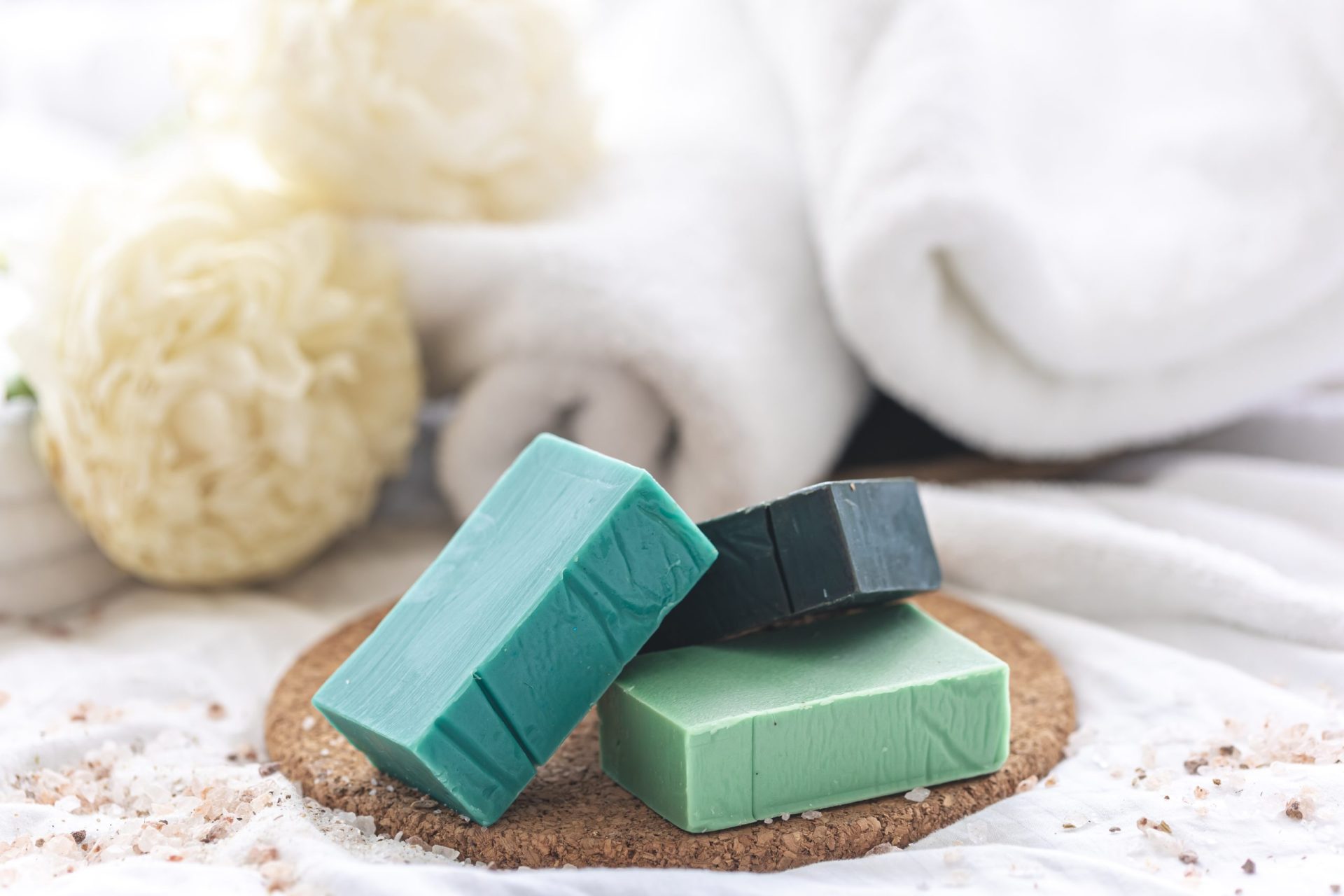
For decades, tiny plastic bottles lined hotel bathroom counters. Guests expected them. Housekeeping restocked them daily. And millions ended up in landfills every year.
That era is ending, perhaps faster than most hotel operators anticipated. Legislative pressure, guest expectations, and hard cost realities are pushing the hospitality sector toward alternatives. Among those alternatives, solid hair care bars have emerged as one of the most practical and appealing options for properties of every size.
Here is why the switch is accelerating in 2026.
State-Level Plastic Bans Are Now in Effect
California’s AB-1162 was the first domino. The law banned single-use plastic bottles under 12 ounces in hotels with 50+ rooms starting in 2023, extending to all lodging properties by 2024. New York followed with similar restrictions that took effect for large hotels in January 2025, with smaller properties required to comply by January 2026. Illinois adopted a comparable timeline. Washington state has a ban set for January 2027.
These aren’t optional guidelines. Hotels that violate New York’s law face a $250 fine for the first offense and $500 for each subsequent violation in the same year. As more states consider similar legislation, properties operating across multiple markets need scalable, compliant solutions. Compact bars packaged in paper or compostable wraps satisfy these requirements without the operational complexity of wall-mounted dispensers.
Wall-Mounted Dispensers Aren’t the Only Answer
Most major chains responded to plastic bans by installing bulk dispensers. Marriott, for instance, reported 95% compliance across managed and franchised properties by the end of 2023. Dispensers work, but they come with their own set of challenges.
- Refilling and maintenance add labor hours for already-stretched housekeeping teams.
- Guests occasionally report hygiene concerns about shared dispensers
- Upfront installation costs can be significant, especially for older properties
- Dispenser malfunctions or empty cartridges create guest complaints
- Boutique and independent hotels may lack the infrastructure for uniform dispenser systems
Solid wash bars offer a different path. They are individually packaged, require no plumbing or hardware, and deliver a premium feel that wall units sometimes lack. For smaller independent properties, in particular, they represent a far simpler compliance strategy.
Concentrated Formulas Mean Real Cost Savings
Here is where the math gets interesting for hotel operators. One shampoo bar typically delivers the equivalent of two to three bottles of liquid product. That concentration translates into measurable savings across procurement, storage, and waste disposal.
Liquid shampoo is roughly 80% water. Conditioners can be up to 95% water. Hotels are paying to ship water from a distributor to their property, then paying again to dispose of the partially used plastic bottles guests leave behind. Concentrated bar formulas remove that inefficiency entirely.
Storage footprint shrinks, too. A case of compact bars takes up a fraction of the shelf space that a case of bottled amenities requires. For urban hotels with limited back-of-house storage, this is a meaningful operational advantage.
Guests Actually Prefer Them (When Done Right)
There is a common misconception that hotel guests want tiny bottles. The reality, at least based on recent traveler surveys, is more nuanced. An overwhelming 88% of travelers now factor sustainability into booking decisions, according to a 2025 Clean the World survey. Younger demographics are even more intentional about this; nearly half of Gen-Z travelers express concern about the environmental impact of their trips.
A solid shampoo bar is more than just a toiletry; it is a tangible signal that a property takes environmental responsibility seriously. When paired with quality conditioning bars and thoughtful packaging, these amenities become part of the brand story. Guests notice. They mention it in reviews. Some even ask where they can buy the products for home use.
Better Ingredients Without the Filler
Traditional hotel amenities often rely on inexpensive surfactants, synthetic fragrances, and heavy preservative loads to maintain shelf stability in liquid form. Because bar formulas contain minimal water, they require fewer preservatives and can hold higher concentrations of beneficial ingredients such as plant-based oils, butters, and botanical extracts.
This matters to the growing segment of guests who read labels. Shampoo bars are eco-friendly in both formulation and packaging. Properties can offer amenities made with natural ingredients like coconut oil, shea butter, or argan oil without inflating per-unit costs the way premium bottled lines do.
That said, hotels should understand the regulatory landscape here. Under FDA guidelines, a product marketed solely for cleansing may qualify for a soap exemption. But if a brand makes cosmetic or therapeutic claims, such as “moisturizing” or “repairing,” the product falls under different classification rules. Working with a knowledgeable contract manufacturer helps ensure labeling stays compliant.
Operational and Branding Advantages
Simplified Logistics for Multi-Property Operators
Shipping liquid amenities involves weight, breakage risk, and hazmat considerations for certain formulations. Bar shampoo, by contrast, is lightweight, virtually unbreakable, and ships without the risk of leaks. For hotel groups managing dozens or hundreds of properties, this reduces freight costs and simplifies inventory management.
- Bars stack neatly on pallets with no risk of spills during transit
- Shelf life tends to be longer than liquid alternatives because of lower water content
- Receiving and distribution at the property level requires less handling
- Damaged units are rare compared to cracked or leaking bottles
Private Label Opportunities Build Brand Identity
One of the more compelling reasons hotels are exploring solid amenities is the private label angle. Rather than offering generic dispensers with a third-party brand, properties can develop custom-branded bars that reinforce their identity.
Private label means custom formulation built specifically for one brand. A hotel group could choose its own scent profile, bar shape, ingredient list, and packaging design. This is fundamentally different from white-label products, which are pre-made formulas simply rebranded.
The distinction matters. Private label amenities give a property something guests cannot find at the drugstore. That exclusivity contributes to brand recall and, in our experience, guest loyalty. Hotels already invest heavily in signature scents for lobbies; extending that sensory identity into the shower is a natural progression.
The Travel-Friendly Factor Works Both Ways
Hotels are not the only ones rethinking plastic bottles. Guests increasingly travel with their own solid toiletries because TSA-friendly, spill-proof bars take up almost no space in a carry-on. When a property offers a high-quality bar shampoo in the room, it signals awareness of how modern travelers actually pack and move.
This is especially relevant for business travelers, who account for a significant share of hotel stays and tend to value efficiency over novelty. A well-made bar that lathers easily and rinses clean fits their expectations without the hassle of squeezing the last drops from a miniature bottle.
Sustainability That Goes Beyond Packaging
Reduced Water Footprint Across the Supply Chain
Sustainability in hospitality is not just about what guests see on the bathroom counter. The production and distribution of liquid amenities carry a substantial water footprint, from the water used as a base ingredient to the water consumed in manufacturing and cleaning processes.
Solid formulas inherently require less water to produce. They are lighter to transport, meaning lower fuel consumption per unit delivered. For hotels pursuing LEED certification, carbon neutrality, or participation in programs like the Global Sustainable Tourism Council, every measurable reduction in resource use counts.
- Manufacturing solid formulas uses significantly less water than producing liquid equivalents.
- Lighter shipping weight reduces transportation emissions per unit
- No residual product waste from partially used bottles sent to landfill
- Paper-based packaging is recyclable or compostable in most municipal systems
The Numbers Behind the Plastic Reduction
Consider the scale. Former New York State Senator Todd Kaminsky estimated that eliminating single-use bottles in New York City hotels alone would reduce plastic waste by 27 million bottles annually. Marriott projected that its global dispenser program would remove roughly 500 million miniature bottles from landfills.
Now imagine a property going one step further. Instead of dispensers, they offer individually wrapped bars in compostable packaging. The plastic-free option removes not only the guest-facing bottles but also the bulk dispenser cartridges, pump mechanisms, and mounting hardware that eventually need replacement. It is a cleaner, simpler end-to-end approach.
| Factor | Bottled Amenities | Wall Dispensers | Solid Bars |
| Plastic waste per room/year | High | Moderate | Minimal to none |
| Storage space required | Large | Moderate | Small |
| Housekeeping labor | Moderate | High (refilling) | Low |
| Shipping weight | Heavy | Moderate | Light |
| Guest perception | Familiar but dated | Functional | Premium and eco-conscious |
| Regulatory compliance | Failing in the ban states | Compliant | Compliant |
| Private label potential | Limited | Low | High |
| Upfront cost | Low | High (installation) | Moderate |
Frequently Asked Questions
What Are the Downsides to Shampoo Bars?
The most common adjustment involves the transition period. Hair accustomed to liquid formulas with silicones and synthetic conditioners may feel different during the first week or two of using a bar product. Some guests with very long or heavily treated hair might find certain formulations less effective without a paired conditioner bar. Hard water can also affect lather quality, though modern syndet-based bars perform better in mineral-rich water than traditional cold-process soap bars. For hotel operators, providing a complementary conditioning bar alongside the cleansing bar addresses most guest concerns. The key is selecting a formulation built for the water conditions common in your region.
What Happens When You Switch to Shampoo Bars?
During the initial transition, hair may feel slightly waxy or heavier than usual. This happens because liquid products often contain silicones that coat the hair shaft, and removing that buildup takes a few washes. Most users report that their hair feels lighter, has more volume, and maintains its natural oils better after about two weeks. Scalp health can also improve since bar formulas tend to contain fewer synthetic additives. For hospitality applications, the transition period is less of a concern because guests are using the product for short stays rather than making a long-term personal change. The experience during a single stay is generally positive and straightforward.
How Long Do Solid Shampoo Bars Last?
A single bar provides approximately 80 to 90 washes under typical consumer use, equivalent to about 2 to 3 liquid bottles. In a hotel setting, the math works differently because each guest uses the bar only during their stay. Properties that use a one-bar-per-room approach can often accommodate multiple guest stays from a single bar, depending on the length of each stay. However, hygiene standards at many properties require replacing bars between guests. Even with single-use policies, the cost per guest is competitive with bottled amenities when you factor in reduced shipping, storage, and waste-disposal costs.
Do Hairdressers Recommend Shampoo Bars?
Professional stylists are increasingly open to solid formulas, particularly syndet-based bars that use gentle surfactants rather than traditional saponified oils. The Earthling Co. reports that 86% of surveyed stylists recommend their solid products. Professional acceptance has grown as formulations have improved. Early bar products from a decade ago often had pH levels that were too high for regular hair care, but modern formulas are pH-balanced and salon-grade. Hotels that stock well-formulated bars can confidently tell guests the product meets professional beauty standards.
Ready to Bring Solid Amenities to Your Property?
Making the switch does not have to be complicated. MidSolid Press & Pour works with hotels, resorts, and hospitality groups to develop custom guest amenity bars that align with your brand identity and your guests’ expectations. From formulation and scent development to packaging and fulfillment, our solid production line handles the details so your team can focus on what matters most: the guest experience.
Get in touch to request a sample or discuss a custom program for your properties.