


Solid Shampoo and Conditioner
Why Wellness Centers Should Add Solid Hair Care to Their Service Menu
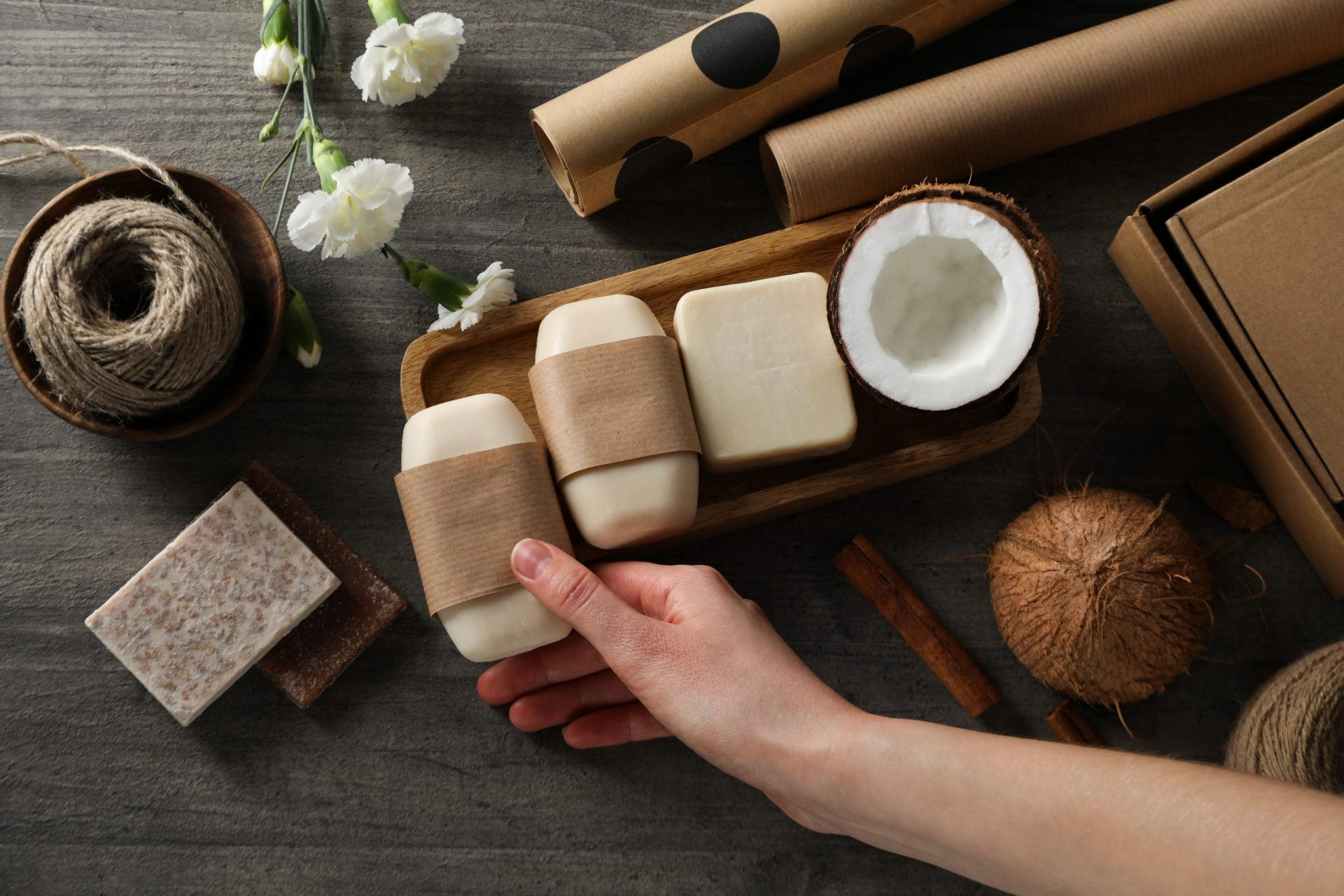
The shampoo bar market alone is on track to grow at roughly 6% CAGR through 2034, according to Fortune Business Insights. Clients walking into your wellness center are already asking for products that align with their values, and concentrated bar-format cleansers and conditioners check nearly every box. They want fewer chemicals, less plastic, and formulations that actually perform. That shift creates a real opening for spas, studios, and holistic health spaces to stock and recommend solid shampoo bars alongside their existing services.
You may have noticed that retail shelves in most wellness centers still look the same: rows of plastic bottles filled with mostly water. Switching even a portion of that inventory to pressed or poured bars sends an immediate signal to clients that your business takes ingredient quality and environmental responsibility seriously.
Why Clients Are Paying Attention
Consumer awareness of what goes into personal care cosmetics has reached a tipping point. Clean beauty is no longer a niche segment. Scalp health, in particular, has become a mainstream concern, with industry reports noting significant growth in leave-in scalp treatments and serums across prestige channels. When your wellness space offers bar-format alternatives alongside traditional services, you meet that demand head-on.
Benefit 1: Higher Perceived Value and Premium Positioning
Solid products sit at an interesting price point. Because they are concentrated, without the water that makes up 80% or more of most liquid shampoos, clients immediately recognize the value proposition. A single bar often delivers 6- 80 washes. That kind of longevity gives your staff a compelling talking point during checkout.
Bar-format items also photograph well on retail displays. Their compact shape, branded wrappers, and unique textures make them conversation starters. In our experience, wellness centers that merchandise these items near treatment rooms see higher impulse-purchase rates than those tucking bottles onto a back shelf.
Retail Revenue Without the Complexity
Stocking solid formulations means fewer SKUs to manage. You can carry a shampoo bar, a conditioning bar, and a specialty treatment bar, and still cover most client needs. Inventory turns tend to be faster because the product footprint is small and shelf life exceeds 24 months in most cases.
Benefit 2: Reduced Environmental Footprint
One of the most straightforward selling points is waste reduction. Each bar replaces two to three plastic bottles, and the packaging, when done right, is compostable or recyclable paper. For a wellness center that markets itself around holistic well-being, this alignment between what you say and what you sell matters.
- Bars require less water during manufacturing.
- Shipping weight drops significantly compared to liquid equivalents
- Storage needs shrink because the product is compact
- End-of-life packaging creates minimal landfill impact
- Your center’s sustainability messaging becomes tangible, not just aspirational
That last point is worth repeating: clients can see the difference on your shelf. They do not need a marketing brochure to understand it.
Benefit 3: Cleaner Ingredient Profiles
Bar-format hair care typically requires fewer preservatives because bacteria and mold need water to thrive. Removing excess moisture from the formula means your center can stock products with shorter, more recognizable ingredient lists. This is particularly appealing to clients who are cautious about parabens, sulfates, and synthetic fragrances.
A quick note on terminology, though. Under FDA regulations, the word “natural” has no formal definition for cosmetics. And calling a product “organic” requires USDA National Organic Program certification for the agricultural ingredients. When choosing a manufacturing partner, make sure the claims on the label are backed by the appropriate certifications, not just marketing language.
- Plant-based surfactants like Sodium Cocoyl Isethionate (SCI) offer gentle cleansing.
- Essential oils and botanical extracts replace synthetic fragrance blends
- Butters and cold-pressed oils provide conditioning without silicone buildup
- Fewer stabilizers and emulsifiers are needed in anhydrous formats
- Transparent labeling builds trust with ingredient-conscious clients
Benefit 4: Versatile Treatment Add-Ons for Existing Services
Solid haircare does not need to replace your current menu. It can layer right on top of it. Think about a scalp treatment service where the therapist uses a pressed bar as the cleansing step before applying a mask or serum. Or consider offering a “clean rinse” upgrade that starts with a sulfate-free bar wash.
The versatility extends to different service categories:
- Scalp detox treatments paired with a gentle bar cleanser
- Post-color rinse services using pH-balanced conditioning bars
- Relaxation packages that include a bar-based wash and a head massage
- Retail bundles that combine a treatment session with a take-home bar
- Travel kits assembled for clients heading on vacation
Salon and spa professionals who integrate these products into their workflow often find that the tactile experience, actually gliding a bar across the client’s hair, becomes a memorable part of the visit.
Benefit 5: Stronger Brand Differentiation
Most wellness centers stock the same handful of professional liquid lines. Offering bar-format alternatives immediately sets your business apart. It signals that you are paying attention to industry shifts and investing in what comes next, not just following the crowd.
If you go the private label route, you can design packaging and choose formulations that reflect your brand identity. Custom scent profiles, unique ingredient combinations, and branded wrapping all contribute to a cohesive experience that clients associate with your space, not a third-party brand they can buy elsewhere online.
Custom Formulation Possibilities
Working with a contract manufacturer that specializes in extrusion or hot-pour methods opens up a range of formulation options. You can specify everything from the surfactant system and essential oil blend to the bar hardness and even the shape. That level of control is something most liquid product partnerships simply do not offer at accessible minimum order quantities.
Benefit 6: Simplified Supply Chain and Longer Shelf Life
Concentrated bars weigh less and take up less space than their liquid counterparts. That translates directly into lower shipping costs and reduced storage requirements. For a wellness center with limited back-of-house square footage, this is not a minor consideration.
| Factor | Liquid Products | Bar-Format Products |
| Water content | 80-90% | Less than 5% |
| Average shelf life | 12-18 months | 24+ months |
| Shipping weight per unit | Higher | Significantly lower |
| Packaging waste | Plastic bottles | Paper or compostable wrap |
| Storage footprint | Large | Compact |
| Preservative load | Higher | Minimal |
| Retail display appeal | Standard | Distinctive and tactile |
The shelf life advantage alone deserves attention. Carrying inventory that remains viable for over 2 years reduces the risk of expired stock, a real concern for smaller wellness operations that may not move large volumes every month.
Benefit 7: Appeal to a Broader Client Base
Bar-format products attract clients who might not normally shop for haircare at a wellness center. Eco-conscious consumers, travelers, minimalists, and clients managing sensitivities all gravitate toward solid formulations for different reasons. That broader appeal means your center is not just retaining existing clients; it is pulling in new foot traffic.
- Eco-conscious buyers seeking plastic-free options
- Frequent travelers who need TSA-friendly, spill-proof products
- Clients with sensitive scalps looking for fewer chemical irritants
- Minimalists who prefer multi-functional, concentrated items
- Gift shoppers looking for something unique and well-packaged
- Fitness enthusiasts wanting gym-bag-friendly cleansing options
Each of these segments represents a potential new revenue stream that your competitors may be ignoring entirely.
Benefit 8: Alignment with Holistic Wellness Philosophy
A wellness center, by definition, is about more than a single service. It is about overall health, including the products people put on their bodies. Stocking natural solid formulations reinforces that philosophy in a tangible way. When a client picks up a conditioning bar made from plant-derived ingredients, they see consistency between your treatments and your retail selection.
This kind of alignment also strengthens client trust. People who visit wellness centers tend to be skeptical of greenwashing. Offering products with transparent ingredient lists and verifiable manufacturing standards shows that your recommendations are grounded in substance rather than trend-chasing.
Benefit 9: Lower Barrier to Entry for Private Label
Launching a private-label line can seem daunting, but the economics of bar-format production can be surprisingly accessible. Because the manufacturing process for solid conditioner and shampoo bars is more streamlined than liquid filling and capping, the per-unit cost structure often works in your favor.
- Formulation development tends to be faster for pressed and poured bars
- Packaging design is simpler, often just a wrap or a box
- Minimum order quantities can be lower than liquid private label runs
- Lead times from formulation to finished goods are often shorter
- Testing and stability studies are less complex for anhydrous formats
For a wellness center that has always wanted its own product line but felt the capital investment was too steep, bar-format manufacturing may be the entry point that finally makes it feasible.
What to Look for in a Manufacturing Partner
Not all contract manufacturers handle solid haircare the same way. Some specialize in syndet bars, which are technically different from traditional cold-process soap. Syndet bars use synthetic detergent systems (like SCI) and are not classified as “soap” under FDA definitions. Understanding that distinction matters when you are making claims on your label.
Look for partners who can show you their quality control processes, provide certificates of analysis for raw materials, and walk you through FTC labeling guidelines. The last thing you want is a beautifully branded bar that makes claims it cannot legally support.
Benefit 10: Future-Proofing Your Business
The move toward waterless, concentrated personal care is not slowing down. Market data consistently points to growth in the solid bar category across North America. By adding these products to your menu now, you position your wellness center ahead of the curve rather than scrambling to catch up when clients start expecting them.
- Consumer preference for sustainable beauty products continues to climb
- Regulatory pressure on plastic packaging is increasing year over year
- Social media platforms amplify awareness of clean beauty and bar-format products
- Professional education around solid haircare is becoming more accessible
- Early adopters build brand loyalty that is difficult for latecomers to replicate
The centers that move first tend to own the conversation in their local market. Waiting until every competitor carries the same products means you have already lost the differentiation advantage.
Frequently Asked Questions
What are the benefits of hair care?
Consistent hair care supports strand strength, prevents breakage, and keeps the scalp balanced, allowing follicles to function properly. Choosing the right cleansing and conditioning routine removes product buildup without stripping away protective oils. Good routines also reduce frizz, split ends, and dullness over time. Beyond appearance, maintaining clean and nourished strands can boost confidence and contribute to a sense of personal well-being. Professional guidance from a trained stylist or wellness practitioner helps you select formulations matched to your specific texture, porosity, and lifestyle habits for the best possible results.
What is the purpose of giving hair care?
Providing professional-grade maintenance goes beyond aesthetics. It addresses scalp conditions, restores moisture balance, and protects against environmental stressors such as UV exposure and hard-water mineral deposits. Trained practitioners can identify early signs of thinning, dryness, or irritation that a client might overlook at home. Recommending targeted treatments, whether liquid or bar-format, gives people tools to manage their strands between appointments. Regular attention also helps preserve color-treated or chemically processed styles, extending the lifespan of expensive salon work and reducing the frequency of corrective procedures.
What are the advantages of a hair spa?
A dedicated spa treatment focuses on deep conditioning, scalp stimulation, and relaxation in ways a standard wash cannot. Steam, massage techniques, and nutrient-rich masks penetrate the cuticle layer more effectively when applied by a professional. These sessions promote blood circulation to follicles, which may support healthier growth cycles over time. Clients often report reduced tension headaches and improved sleep after scalp-focused spa visits. Pairing these treatments with gentle, plant-based cleansing bars creates a cohesive experience that reinforces the appointment’s restorative purpose.
How to promote good hair health?
Start with a balanced diet rich in protein, iron, and omega-3 fatty acids, since strand quality begins internally. Minimize heat styling and chemical processing where possible to reduce cumulative damage. Choose cleansers and conditioners formulated for your specific type rather than relying on generic one-size-fits-all bottles. Protect strands from sun exposure with hats or UV-filtering leave-in treatments during prolonged outdoor activities. Schedule regular trims every 8 to 12 weeks to prevent split ends from traveling upward. Finally, pay attention to your scalp by keeping it clean, moisturized, and free from excessive buildup.
Ready to Add Solid Hair Care to Your Wellness Center?
If the idea of stocking bar-format products, or even launching your own branded line, sounds like the right move for your business, MidSolid Press & Pour can help you get there. From custom shampoo and conditioner formulations to packaging guidance and regulatory support, our team works with wellness centers, spas, and independent brands nationwide. Reach out through our contact page to start a conversation about what is possible for your space.