


Solid Shampoo and Conditioner
10 Reasons Eco-Lodges Prefer Solid Shampoo and Conditioner Bars Over Bottled Alternatives
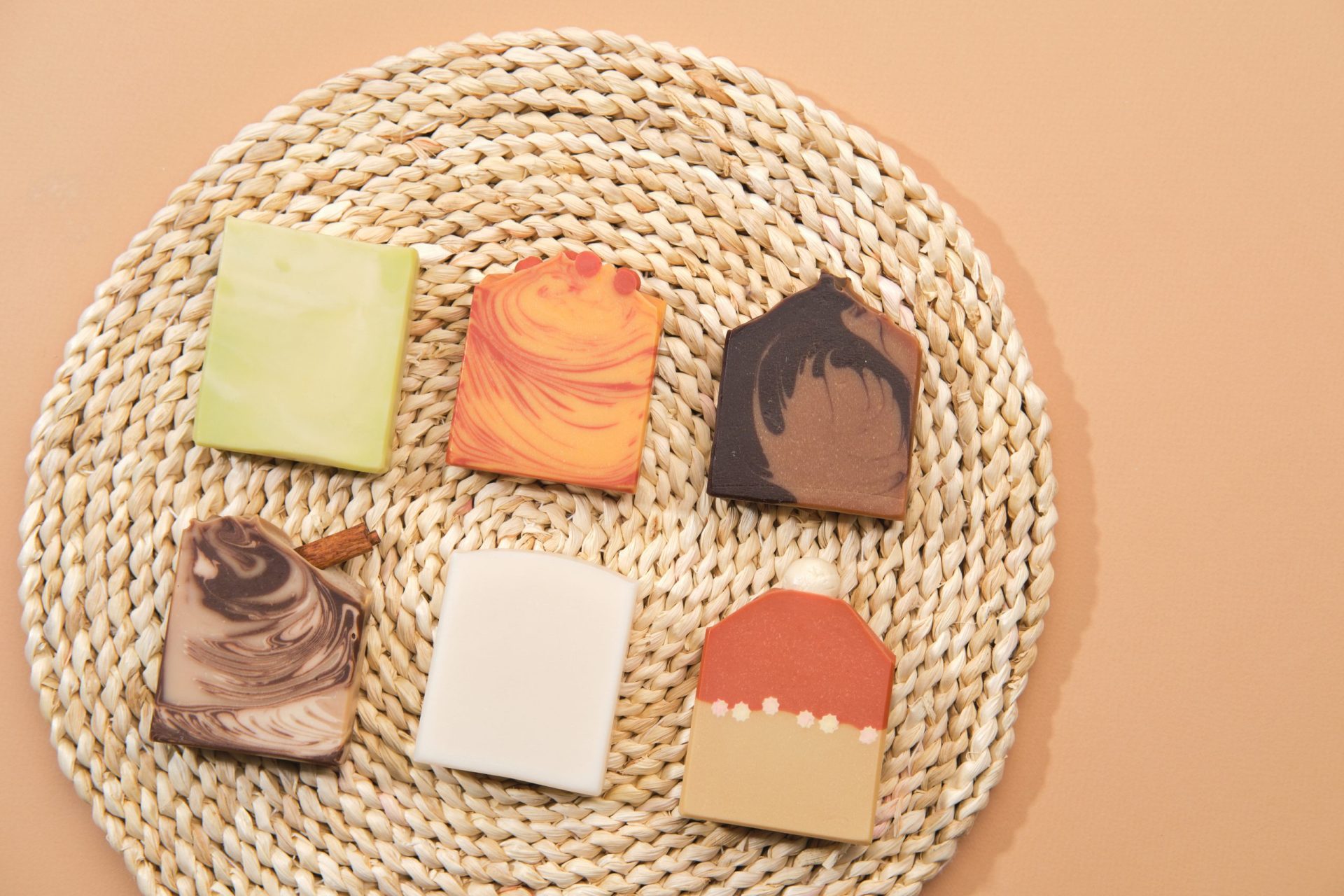
If you operate an eco-lodge, you already know that guests notice details. The soap on the counter, the packaging around the toiletries, the ingredients listed on the label. All of it matters. And one of the simplest, most impactful changes a hospitality property can make? Replacing liquid bottled shampoos and conditioners with solid alternatives.
This isn’t just a trend. California and New York have both enacted laws banning single-use plastic toiletries in hotels. The EU is following suit with restrictions taking effect by 2030. For eco-lodges that want to stay ahead of regulation and genuinely reduce their environmental impact, solid bars are a practical answer.
But the reasons go well beyond compliance. Here are ten of them.
Less Plastic, More Purpose
The most obvious reason is the reduction in plastic waste. A single eco-lodge with 20 rooms might cycle through thousands of miniature bottles each year. Most of those bottles, even the ones labeled recyclable, end up in landfills because guests rarely rinse out residue before tossing them.
Shampoo bars and conditioner bars come wrapped in biodegradable paper or compostable cardboard. No caps. No pumps. No shrink wrap. When a guest finishes a bar, there is nothing left to throw away except a thin paper sleeve that breaks down in weeks.
For lodges in remote or wilderness-adjacent locations, this is especially significant. Hauling recyclables to processing centers is expensive and carbon-heavy. Removing bottles from the equation entirely is a cleaner, simpler path.
A Lighter Shipping Footprint
Here’s something people overlook: liquid shampoos are roughly 80% water. That means a lodge ordering bottled products is essentially paying to ship water across the country. Solid bars are concentrated, compact, and dramatically lighter per wash.
In our experience as a contract manufacturer, a single pallet of shampoo bars can deliver the same number of washes as multiple pallets of bottled products. Fewer trucks on the road, less fuel burned, and a reduced environmental footprint for your supply chain. For a property that already tracks its carbon output, this is a measurable win.
Guests Actually Prefer Them
Perhaps the most convincing reason? Travelers who book eco-lodges tend to be sustainability-minded. A 2020 Booking.com survey found that 53% of respondents want to make more environmentally responsible choices during their trips. Offering solid bars signals that your lodge takes sustainability seriously, not as a marketing gimmick, but as a genuine operational commitment.
And the guest experience doesn’t suffer. Well-formulated bars produce a rich, creamy lather that rivals anything from a bottle. They clean effectively without stripping natural oils, and many are available in formulations targeting specific needs: oily scalps, dry ends, color-treated strands. The days of “eco-friendly” meaning “inferior” are long gone.
How Solid Bars Solve Operational Headaches
Storage and Inventory Management
Bottled products take up shelf space, require careful stacking to prevent leaks, and expire sooner because of their water content. Solid bars, on the other hand, are compact and stackable. They have a longer shelf life because they lack the moisture that promotes microbial growth. Your housekeeping team can store months of inventory in a fraction of the space that bottled items demand.
- No leaking during transport between storage rooms and guest bathrooms
- Consistent portion control; each bar lasts a predictable number of washes
- Fewer SKUs to manage when you offer a versatile shampoo and conditioner set
- Reduced spoilage compared to liquid products that separate or degrade
Cost Savings Over Time
The upfront cost of a single bar may be higher than that of a miniature bottle. But here’s the math that matters. One well-made shampoo bar provides approximately 50 to 80 washes. A miniature hotel bottle? Maybe three or four. Even if the bar costs several times more than a single bottle, the per-guest wash cost drops significantly.
Factor in reduced shipping weight, lower waste disposal fees, and fewer orders per year, and the financial case becomes difficult to ignore. Marriott International, for instance, reported annual savings of more than $14 million after phasing out single-use toiletries across its properties.
Simplified Compliance with Emerging Regulations
Regulations are tightening. California’s ban on single-use plastic toiletries at hotels took effect for larger properties in 2024 and smaller ones in 2025. New York has passed similar legislation. Washington state follows in 2027, and the EU’s packaging waste directive targets 2030 for a continent-wide ban.
Eco-lodges that switch to solid bars now won’t need to scramble later. It’s a proactive move that protects your business from:
- Fines and penalties for non-compliance
- Sudden supply chain disruptions occur when bottled products become restricted
- Negative publicity if guests perceive your property as lagging on environmental standards
- The cost of a rushed transition versus a planned one
Formulation, Ingredients, and Brand Alignment
Natural Ingredients That Match Your Brand Story
Most eco-lodge guests are savvy about ingredient lists. They want products free from sulfates, parabens, and synthetic fragrances. Quality shampoo bars deliver on all of those expectations. Many are formulated with plant-derived surfactants, essential oils, and butters like shea or cocoa that nourish without artificial additives.
This is where working with a knowledgeable manufacturer matters. Not all bars are created equal. True soap (made from saponified oils) behaves differently from syndet bars (based on synthetic detergent compounds). Soap can leave residue in hard water and tends to be more alkaline, which may not suit every guest. Syndet formulations, by contrast, can be pH-balanced closer to the skin and hair’s natural acidity, typically between 4.5 and 5.5.
If your lodge caters to guests who value cruelty-free and ethically minded products, the right formulation partner can help you build a bar that reflects those values, from ingredient sourcing through to biodegradable packaging.
Versatile Enough for Every Guest
One of the quiet advantages of solid bars is their adaptability. A single formulation can work across hair types, which simplifies your amenity program. Conditioner bars are perfect companions to a good cleansing bar, and together they replace two separate bottled products.
- Bars for oily hair might feature tea tree oil or activated charcoal
- Bars for dry or damaged hair can include argan oil, coconut butter, or rice protein
- Unscented options cover guests with fragrance sensitivities
- Multi-purpose bars that work for both hair and body reduce the total number of products needed per room
| Feature | Solid Bars | Bottled Liquid Products |
| Plastic packaging | None; paper or cardboard | Bottles, caps, pumps |
| Water content | Minimal to none | 70-80% of the total volume |
| Washes per unit | 50-80 per bar | 3-4 per mini bottle |
| Shelf life | 12-24 months typical | 6-18 months; degrades faster once opened |
| Shipping weight | Significantly lighter per wash | Heavy due to water and plastic |
| TSA/travel compliance | No liquid restrictions apply | Subject to 3.4 oz limits |
| Ingredient transparency | Often simpler, cleaner formulas | May contain preservatives, thickeners, fillers |
| Regulatory risk | Aligned with current and pending bans | Increasingly restricted |
Travel-Friendly for Guests Who Want to Buy More
Here’s a revenue angle that surprises some lodge operators. Guests who fall in love with your amenity bars will ask where to buy them. A branded shampoo bar makes an excellent retail item in your lodge gift shop, and solid bars are naturally travel-friendly. No TSA liquid restrictions. No risk of spills in a suitcase. Guests can toss one in a carry-on and relive their lodge experience at home.
This turns a consumable operating expense into a potential profit center, something a miniature plastic bottle could never do.
Making the Switch: What to Know
Transitioning from bottled to solid doesn’t have to be complicated. Start by identifying a contract manufacturer that understands hospitality requirements and can produce bars at the volume you need. At MidSolid Press & Pour, for example, we work with lodges and hotel brands to develop custom formulations through our private label programs, tailoring scent profiles, ingredient lists, and bar sizes to each property’s vision.
A few practical tips for the transition:
- Provide a small card in each bathroom explaining how to use the bar (some first-time guests may be unfamiliar)
- Offer a soap dish or draining tray so bars dry between uses and last longer
- Start with a pilot program in a few rooms before rolling out property-wide
- Gather guest feedback early; most responses tend to be overwhelmingly positive
- Consider offering both shampoo bars and conditioning bars as a paired amenity
Frequently Asked Questions
Are solid shampoo bars better for your hair?
For many people, yes. Quality bars concentrate active ingredients without the fillers common in bottled shampoos. Plant-based oils and butters cleanse the scalp and strands without stripping away protective moisture. That said, results vary depending on water hardness, individual hair porosity, and the specific formulation. Syndet-based bars tend to perform better in hard water areas than traditional cold-process soap bars. Guests with very fine or chemically treated hair may need a brief adjustment period of one to two weeks before noticing improved texture and body.
What do the Amish use for shampoo and conditioner?
Amish communities traditionally rely on homemade lye soap for hair cleansing, often crafted from rendered animal fat and lye in a cold-process method. Many Amish households also use commercial shampoo and conditioner products, depending on the community’s level of conservatism. Herbal rinses made from rosemary or apple cider vinegar are common as conditioning treatments. The focus tends toward simplicity and minimal ingredients rather than any single branded product. Modern Amish-inspired brands have emerged, but traditional practices center on basic, handcrafted soap paired with natural botanical rinses for softness and shine.
Do hairdressers recommend shampoo bars?
A growing number of professional stylists now endorse high-quality bars. The Earthling Co. reports that 86% of surveyed stylists recommend their solid formulations. Hairdressers who support bars typically emphasize their concentrated ingredients, pH-balanced formulas, and absence of harsh sulfates as key benefits. Some stylists note that poorly made bars can leave residue or cause buildup, underscoring the importance of product quality. The professional consensus is shifting toward acceptance, particularly for clients who prioritize clean ingredients and reduced packaging waste in their personal care routines.
What are the downsides of shampoo bars?
The main drawbacks involve an adjustment period and storage requirements. Hair accustomed to silicone-heavy bottled shampoos may feel waxy or heavy for the first week or two as residues wash out and natural oil production recalibrates. Hard water can also interfere with lather and rinsing for certain formulations. Bars need a dry resting place between uses; a soggy bar dissolves faster and loses its shape. Additionally, finding the right formulation takes some trial and error since not every bar suits every hair type. Despite these considerations, most users find the long-term benefits in cost savings, reduced waste, and improved hair health well worth the initial transition.
Ready to Create Your Lodge’s Signature Bar?
Whether you’re outfitting a 10-room mountain retreat or a 200-key coastal resort, MidSolid Press & Pour can help you develop custom solid bars that reflect your brand and values. From formulation to packaging, our team walks you through every step. Reach out for a consultation and find out how straightforward the transition can be.