


Solid Shampoo and Conditioner
How to Build and Launch Your Own Private Label Shampoo Bar Line in 10 Steps
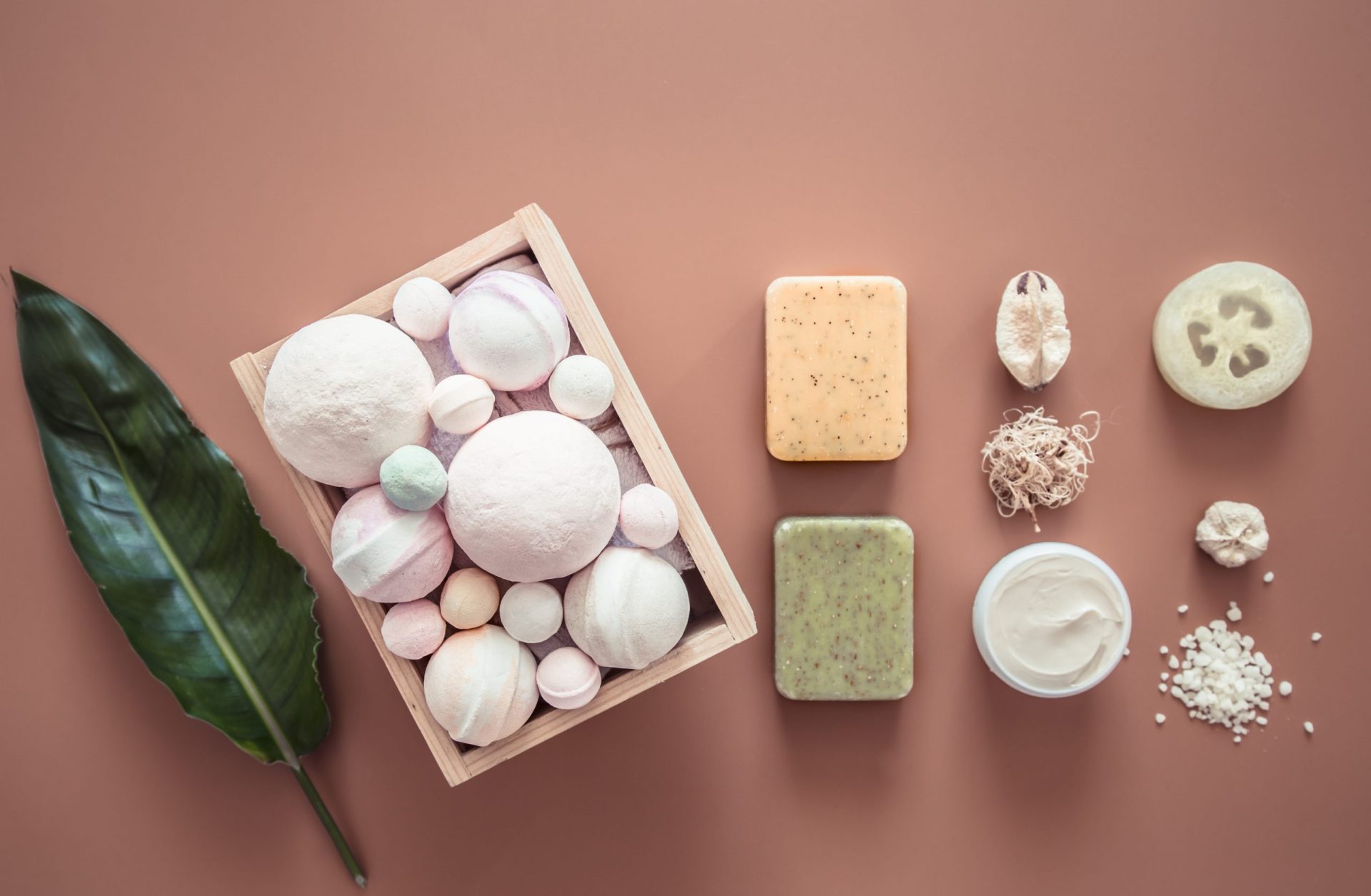
The shampoo bar category is growing at a pace that even people who have been in contract manufacturing for decades find surprising. North America holds roughly 48% of global demand, and the U.S. solid bar segment alone is projected to surpass $5 billion by 2032. Consumers are switching away from liquid bottles for reasons that overlap neatly: reduced plastic waste, concentrated formulations, and ingredients they can actually pronounce.
For indie beauty founders, established retailers, and hospitality companies looking for their next product play, a solid shampoo manufacturing operation can turn that demand into a tangible revenue stream. But getting from “I have an idea” to “I have boxes on a pallet” takes more than enthusiasm. It takes a clear plan.
What follows are the ten moves, in order, that we see the most successful brand owners make.
Define Your Niche and Target Customer
Pick a Lane Before You Pick a Formula
The temptation is to build something for everyone. Resist it. The brands that gain traction quickly are the ones that choose a specific audience and tailor everything, from fragrance to messaging, for that group.
Think about who you are trying to reach:
- Eco-conscious millennials who want zero-waste routines
- Salons and stylists bundling bars with color-treatment services
- Hotels and resorts are replacing single-use amenity bottles
- Parents seeking sulfate-free options for children
- Athletes and travelers who prefer TSA-friendly solid formats
Know What They Already Buy
Once you have a target, study what they are currently purchasing. Read reviews on Amazon and specialty retail sites. Pay attention to complaints; those are your opportunities. If customers keep mentioning that existing bars leave residue or don’t lather well in hard water, you have a formulation problem to solve, and a selling point waiting to be claimed.
Research the Competitive Landscape
Audit the Shelf and the Search Results
Pull up the top-selling shampoo bars on Amazon, Ulta, and specialty e-commerce stores. Note their price points, ingredient lists, claims, and design language. Then run searches for terms your audience would use. What content do the top-ranking pages offer? Where are the gaps?
Identify White Space
Maybe every competitor focuses on “volumizing,” but nobody addresses hard-water performance. Several brands target curly hair types, yet none pair a solid shampoo with a matching conditioning bar. White space does not always mean inventing something brand new. Sometimes it means combining existing ideas in a way no one else has packaged them.
Select Your Manufacturing Model
Private Label vs. White Label
These two terms get used interchangeably, but they are not the same.
Private label means you work with a manufacturer to develop a custom formula that belongs exclusively to your brand. You choose the surfactant base, the fragrance profile, the active botanicals, perhaps even the bar shape.
White label means you pick from a catalog of pre-made formulas, slap your branding on them, and ship. It is faster and usually cheaper per unit, but you share that formula with other brands.
Both paths have a place. In our experience, founders who plan to build long-term brand equity almost always gravitate toward the private label route. White-labeling works well for quickly testing a market or filling a gap in an existing product lineup.
What to Look for in a Manufacturer
Not all production partners are equal. Here are the things that matter most:
- FDA-registered facility with documented quality controls
- Ability to produce both soap-based and syndet (synthetic detergent) bars
- Transparent communication about minimum order quantities and lead times
- Willingness to share stability and compatibility testing data
- Capacity to scale when your first run sells through
A trustworthy contract manufacturing partner will walk you through each of these items without hesitation.
Develop Your Formulation
Understand the Two Main Bar Types
This is where many new brand owners get confused, so it is worth slowing down.
Soap-based bars are made through saponification, a chemical reaction between fats or oils and an alkali. These bars are true “soap” under the FDA’s definition. If marketed solely for cleansing and they make no cosmetic or drug claims, traditional soap is exempt from many cosmetic regulations. That exemption disappears the moment you claim the bar moisturizes, repairs damage, or treats a scalp condition.
instead of saponified fats. Technically, they are not soap at all. They tend to have a lower pH, closer to the scalp’s natural acidity, which makes them popular for color-treated and sensitive hair. Syndet formulations fall squarely under FDA cosmetic regulations regardless of claims. A manufacturer experienced in syndet bar production can clearly explain the trade-offs.
Choose Your Key Ingredients
Ingredient selection should follow your niche, not the other way around. Some common active ingredients for solid bars include:
- Argan oil for moisture and shine
- Tea tree oil for scalp balance
- Coconut-derived surfactants for gentle cleansing
- Shea butter for conditioning
- Biotin for perceived strengthening benefits
- Kaolin clay for oil absorption
Work closely with your manufacturer’s formulation team to ensure that claims align with the science. If you want to say “organic,” the agricultural ingredients must meet USDA National Organic Program standards. Calling something “natural” is less regulated but still subject to FTC scrutiny if consumers find the claim misleading.
Handle Regulatory and Labeling Requirements
FDA Compliance Is Not Optional
Under the Federal Food, Drug, and Cosmetic Act, cosmetics must not be adulterated or misbranded. The Modernization of Cosmetics Regulation Act of 2022 (MoCRA) significantly expanded the FDA’s authority over cosmetic products. As of July 2024, manufacturing facilities must be registered with the FDA, and each marketed cosmetic product must be listed through the FDA’s Cosmetics Direct portal. Responsible persons, meaning the manufacturer, packer, or distributor whose name appears on the label, must also provide adverse event contact information on product labels.
What Your Label Needs
FDA cosmetic labeling rules require:
- An identity statement on the principal display panel
- Net contents in both U.S. customary and metric units
- Ingredient declaration in descending order of predominance
- Name and address of the manufacturer, packer, or distributor
- Any required warnings
The FTC holds a separate but overlapping role. It regulates advertising claims and requires that all performance assertions about products be truthful and substantiated. If you claim “reduces breakage by 50%,” you need testing data to back it up.
Keep This Table Handy
| Regulatory Area | Governing Body | Key Requirement |
| Cosmetic safety and labeling | FDA (FD&C Act, MoCRA) | Facility registration, product listing, ingredient disclosure, adverse event reporting |
| Advertising and marketing claims | FTC | Claims must be truthful, substantiated, and not misleading |
| “Organic” ingredient claims | USDA (National Organic Program) | Agricultural ingredients must be NOP-certified |
| Color additives | FDA | Must be approved for intended use; some require batch certification |
| Drug/OTC classification | FDA | Products making treatment claims (e.g., anti-dandruff) must comply with OTC drug monographs |
Build Your Brand Identity
Name, Logo, and Visual Language
Your brand name should be memorable, easy to spell, and available as a domain and across social platforms. Run a trademark search through the USPTO before you fall in love with a name. Rebranding after your first production run is painful and expensive.
Design a logo that works at multiple scales: on a 3-inch bar wrapper, a shipping box, and a 50-pixel social media avatar. Consider how your visual identity will read on retail shelves next to established competitors. Muted earth tones and minimalist typography signal clean beauty. Bold color and playful illustration signal fun and accessibility. Neither approach is wrong; they just attract different buyers.
Develop Your Brand Story
Customers connect with origin stories. Why did you decide to create this line? What problem does it solve that existing options do not? A compelling origin narrative gives your audience a reason to choose you over a cheaper generic alternative. Be honest, and perhaps a little vulnerable. Perfection is not relatable.
Design Your Packaging
Function First, Then Aesthetics
Solid bars need protection from moisture and physical damage during shipping, but they do not need the heavy plastic clamshells that liquid products demand. Common options for shampoo bar wrapping include:
- Compostable kraft paper bands
- Recyclable cardboard boxes
- Plant-based shrink wrap
- Wax-coated tissue wraps
Your packaging design must accommodate all required labeling elements without looking cluttered. That is harder than it sounds, especially on a small surface area. Work with a packaging designer who understands cosmetic compliance requirements.
Sustainability Sells, but Only If It Is Real
Consumers are increasingly skeptical of greenwashing. If you claim your wrapping is “biodegradable,” verify that claim under standardized testing conditions (ASTM D6400, for example). Vague environmental assertions without documentation can attract FTC enforcement actions.
Hospitality and Bulk Formats
If you are targeting hotels and hospitality clients, consider offering both bulk packaging and individually wrapped bars. Many resorts are moving away from miniature plastic bottles entirely; offering a branded bar program with dispensing trays can differentiate your pitch.
Plan Your Pricing and Budget
Understand the Cost Stack
Pricing a solid bar product involves more than raw material costs. You need to account for:
- Formulation development and testing
- Raw materials and active ingredients
- Manufacturing and production labor
- Packaging materials and design
- Regulatory compliance (testing, registration)
- Shipping and warehousing
- Marketing and customer acquisition
Set a Retail Price That Leaves Room
A common mistake is pricing too low to “win” customers. Healthy margins fund marketing, product improvements, and the inevitable unexpected expenses. For direct-to-consumer sales, many solid bar brands price between $8 and $18 per bar, depending on positioning and ingredients. Wholesale pricing for retail partners typically sits at 50% of the suggested retail price, sometimes less.
Sample Budget Ranges by Scale
| Launch Scale | Estimated Investment Range | Typical MOQ | Best For |
| Micro (testing) | $2,000 to $8,000 | 100 to 500 bars | Farmers’ markets, small online store |
| Small | $10,000 to $25,000 | 1,000 to 5,000 bars | Regional retail, DTC brand launch |
| Medium | $25,000 to $75,000 | 5,000 to 20,000 bars | National retail placement, subscription model |
| Large | $75,000+ | 20,000+ bars | Mass retail, hotel chain contracts |
Note: Investment ranges are rough estimates and vary significantly based on formulation complexity, ingredient costs, and packaging choices.
Create Your Go-to-Market Strategy
Choose Your Sales Channels
You do not need to be everywhere at once. Pick one or two channels, prove the concept, and then expand on it.
- Direct-to-consumer website: Highest margins, full control over brand experience, but you own customer acquisition cost.s
- Specialty retail and boutiques: Good for credibility and foot traffic
- Salon and spa partnerships: Built-in trust, smaller order volumes
- Subscription boxes: Great for sampling, but margins can be thin
- Wholesale to large retailers: Volume play requires a robust supply chain
- Amazon and online marketplaces: Massive reach, heavy competition on price
Build a Content Engine
Regardless of channel, you need content that educates and persuades. Blog articles about ingredient benefits, video tutorials showing how to use a solid bar, and customer testimonials all build trust. Social media is especially effective for beauty products because the format rewards visual storytelling.
Plan for the Reorder
The most overlooked part of any go-to-market plan is what happens after the first sale. Email sequences, loyalty programs, and a replenishment reminder system turn one-time buyers into repeat customers. Solid bars typically last 50 to 80 washes, so your reorder cycle might be longer than you expect. Plan accordingly.
Produce, Test, and Launch
Confirm Samples Before Committing to a Full Run
Never skip the sampling phase. Your manufacturer should provide finished samples that represent the actual production formula, not a lab-bench prototype. Test those samples yourself. Give them to friends, family, or a small group of target customers. Gather candid feedback on lather, scent strength, bar longevity, and how hair feels after drying.
Order Your First Production Run
Once the samples meet your quality standards, place your production order. Discuss timelines, shipping logistics, and quality assurance checkpoints with your manufacturer. Ask about the extrusion process if you are running pressed bars, or the hot pour method if your formula calls for a poured format. Each method affects bar density, appearance, and the rate at which production can scale.
Soft Launch Before Going Big
A soft launch to your email list, a single retail partner, or a limited online drop gives you real-world data without the pressure of a full-scale rollout. Track sell-through rates, collect reviews, and identify operational bottlenecks. Iron those out before you pitch larger retailers or run paid advertising.
What Happens After You Launch
Growth does not happen on autopilot. The brands that thrive treat their launch as the beginning, not the finish line.
Collect and Act on Customer Feedback
Read every review. Respond to complaints. When multiple customers mention the same issue, address it in your next production cycle. A reformulation is not a failure; it is a signal that you are listening.
Expand Your Product Line Strategically
Once your hero bar gains traction, consider complementary products: a solid conditioner bar, a scalp treatment, perhaps a shave soap for cross-selling. Each addition should serve your existing audience rather than chasing a new one.
Revisit Your Numbers Quarterly
Compare actual costs against your original budget. Adjust pricing if raw material costs shift. Renegotiate manufacturing rates as your order volumes grow. The brands that treat their finances as a living document, not a set-it-and-forget-it spreadsheet, are the ones that survive year two and beyond.
Frequently Asked Questions
How to create your own brand product line, private labeling?
Establishing a brand through private labeling begins with choosing a niche audience and a specific product category. You then select a contract manufacturer who offers custom formulation services, not just pre-made options. Together, you develop a formula, design branded packaging, and ensure every element meets FDA and FTC requirements for cosmetics. Registration through the FDA’s Cosmetics Direct portal is required for products distributed in the U.S. Most founders underestimate how long the design-to-shelf timeline takes; budgeting 4 to 6 months for a first run is realistic.
How much does it cost to start your own hair care line?
Costs vary widely depending on the scope of your initial launch and the complexity of your formulations. A bare-bones test run with a white-label product could cost under $5,000, while a fully custom private-label collection with professional branding and packaging can cost $25,000 or more. Key variables include minimum order quantities from your chosen manufacturer, ingredient sourcing, stability testing, regulatory compliance, and graphic design. Many founders phase their investment, beginning with a single hero product before reinvesting profits into additional items and marketing.
How do I start my own shampoo brand?
Building a shampoo brand follows the same core path as any consumer goods venture, but with added regulatory considerations. Research your target audience, identify an existing market gap, and partner with a qualified manufacturer. Develop a formulation that aligns with your brand promise, then build packaging that meets both aesthetic and legal labeling requirements. Before selling, register your facility and list your products with the FDA under MoCRA guidelines. Soft-launch to a limited audience, gather feedback, and refine before scaling into broader retail distribution or online marketplaces.
How to start a hair care line with no money?
Truthfully, zero investment is unrealistic if you want a product that meets quality and regulatory standards. However, you can minimize upfront costs by choosing a white-label model, in which a manufacturer provides ready-made formulas for you to rebrand. Negotiate smaller initial orders and use free or low-cost marketing channels, such as social media, content marketing, and word-of-mouth referrals. Some founders fund early production through pre-orders or crowdfunding campaigns on platforms like Kickstarter. The key is proving demand before committing to large inventory purchases.
Ready to Bring Your Shampoo Bar Line to Life?
Building a successful, solid bar brand takes the right formula, thoughtful packaging, and a manufacturing partner who understands both the science and the business side. MidSolid Press & Pour works with indie founders, established retailers, and hospitality companies to develop custom hair cleansing bars from concept through full-scale production. Whether you need help with your prototype or you are ready to scale an existing line, reach out for a consultation, and let’s talk about what is possible.