


Solid Shampoo and Conditioner
What Really Drives the Retail Price of a Shampoo Bar
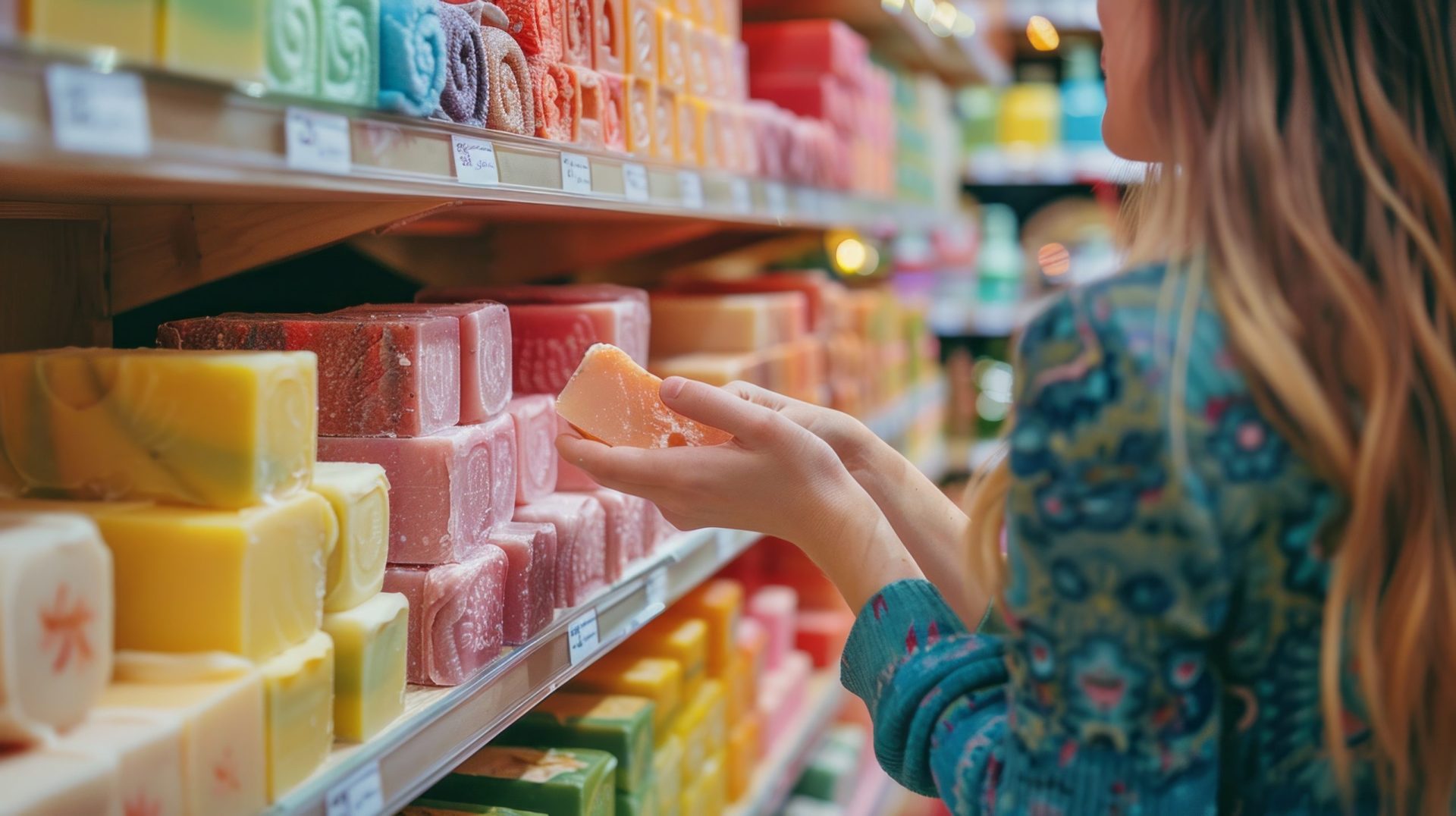
Setting a retail price for a solid hair cleansing bar is never as simple as slapping a number on a label. The final figure your customer sees at the shelf or in a product listing reflects dozens of upstream decisions, from the surfactant blend in the formula to the paperboard it ships in. Some of those decisions are obvious. Others are buried deep in production logistics or regulatory compliance, and they only surface when margins start to shrink.
If you’re an indie beauty brand, a hospitality buyer, or a retailer building a private-label haircare line, understanding these pricing levers is essential. It’s not enough to know that something costs more. You need to know why, and perhaps more importantly, whether the extra spend translates into a price point your target customer will accept.
Below, we break down the ten most significant variables that move your product’s retail number in either direction. Some of these will feel intuitive. A few might surprise you.
Surfactant Selection and Raw Material Quality
In our experience, the base surfactant is the single largest cost driver of ingredients. Solid hair-cleansing products typically rely on one of two surfactant families: traditional soaps (alkali salts of fatty acids made through saponification) or syndet formulas built around gentler alternatives like sodium cocoyl isethionate (SCI).
The cost gap between these two approaches is significant. SCI currently ranges from $3 to $12 per kilogram at wholesale, depending on purity and supplier. Sodium lauryl sulfate, by comparison, costs around $1 to $3 per kilogram. That difference adds up fast at the production scale.
- Cold-process soap bases use affordable oils and lye, keeping raw material costs low.
- SCI-based syndet formulas are gentler on hair and scalp but cost roughly two to four times more per kilogram
- Blended surfactant systems combine multiple mild cleansers to balance performance and cost
- Specialty surfactants like sodium lauroyl methyl isethionate add even more to the per-unit expense.
Why does this matter for retail? A brand choosing a premium surfactant system has already committed to a higher floor price before a single botanical or fragrance oil enters the formula. Budget formulas that rely on cheap sulfates can retail for $5 to $8 per bar. A properly formulated syndet product, with its milder cleansing profile and scalp-friendly pH, often needs to sit at $12 to $20 or higher just to maintain reasonable margins.
How pH Affects Perceived Value
Here’s where things get interesting from a formulation standpoint. Your scalp and hair naturally maintain a slightly acidic environment, with a pH of roughly 4.5 to 5.5. Traditional soap-based products typically fall between 9 and 11 on the pH scale, which is highly alkaline. That’s fine for hand washing, but it forces the hair cuticle open, leading to dryness, color fading, and a rough texture over time.
Syndet-based products can be formulated at a pH much closer to the hair’s natural range. This measurable quality difference justifies a higher price, though communicating that value to consumers remains a real challenge for many brands.
An alkaline pH in a solid hair product isn’t automatically bad, but it does create limitations. Brands selling at a premium need to articulate why their formulation costs more, and pH is one of the clearest technical differentiators available.
Botanical and Active Ingredient Sourcing
Once the surfactant base is settled, the next cost layer involves everything else in the formula: essential oils, plant extracts, butters, proteins, and conditioning agents.
Argan oil, for instance, commands a very different price than generic coconut oil. Keratin peptides, biotin complexes, and specialty clays all increase per-unit ingredient costs. Some of these additions genuinely improve hair health. Others are included for marketing appeal, and in our experience, the line between the two isn’t always clear-cut.
- Essential oils like rosemary or tea tree can range from $20 to over $200 per liter, depending on origin and purity
- Cold-pressed plant butters (shea, mango, cocoa) add conditioning benefits and cost
- Protein treatments, such as hydrolyzed silk or wheat protein, improve hair strength but require precise dosing
- Fragrance blends vary wildly; a custom scent profile can cost ten times more than a stock fragrance
The important thing for brand owners to understand is that not every expensive ingredient translates into a noticeable consumer benefit. A savvy formulator knows which actives deliver results at the concentrations used in a rinse-off product versus the ones that simply look good on a label.
Production Method and Equipment Requirements
How a bar is manufactured directly impacts cost. The three primary production methods used in the industry are cold process, hot pour, and extrusion. Each comes with different equipment needs, labor requirements, and throughput rates.
| Production Method | Typical Per-Unit Cost | Speed | Best For |
| Cold Process | Higher | Slow (weeks to cure) | Artisan, small-batch brands |
| Hot Pour | Moderate | Medium | Custom shapes, specialty formulas |
| Extrusion | Lower at scale | Fast | High-volume production runs |
Cold-process soap requires lengthy curing times, sometimes four to six weeks, which ties up inventory and warehouse space. That carrying cost gets baked into the retail price. Hot pour methods offer greater flexibility in shape and formulation but require specialized equipment. Extrusion is the most efficient for large volumes, pressing bars at high speed with consistent weight and density.
Scale and Minimum Order Quantities
Volume changes everything. A brand ordering 500 bars from a small-batch maker will pay a dramatically different per-unit cost than one ordering 5,000 or 35,000 units from a contract manufacturer with dedicated production capacity.
Smaller runs mean higher per-bar costs for labor, setup, and materials. That’s not a flaw in the system; it’s just the math of manufacturing. Brands launching their first product often underestimate how much their initial low-volume order inflates the retail price they need to charge.
As production volume grows, per-unit costs drop across nearly every category: raw materials purchased in bulk, packaging ordered in larger quantities, and production line efficiency improves with longer run times.
Packaging, Labeling, and Shelf Presentation
Packaging is where many brands either overspend or underinvest. The irony of the solid hair care category is that one of its biggest selling points is reduced packaging waste. Yet the packaging itself can still account for a substantial portion of the retail cost.
- Minimalist paper wraps keep costs low and reinforce the eco-friendly message
- Rigid boxes with custom printing look premium on the shelf, but add $0.50 to $2.00 per unit
- Tin containers or reusable packaging appeal to sustainability-focused buyers at a higher cost
- Shrink bands and tamper-evident seals add safety perception and minor expense
Then there’s labeling compliance. The FDA requires specific information on cosmetic product labels, including ingredient lists in descending order of predominance, net weight, and the responsible party’s name and address. Under the Modernization of Cosmetics Regulation Act of 2022 (MoCRA), facilities manufacturing cosmetics must be registered with the FDA, and products must be listed. These compliance steps aren’t free, and they add administrative overhead that factors into pricing.
FTC guidelines also govern marketing claims. If you call a product “natural” or “organic,” you need substantiation. Unsubstantiated claims can trigger enforcement action, and the legal costs of defending a misleading label far exceed the cost of getting it right from the start.
Certifications and Regulatory Compliance
Speaking of organic, let’s talk about what that word actually means in this category. The term “organic” on a cosmetic product requires USDA National Organic Program (NOP) certification for the agricultural ingredients. The FDA itself does not define “organic” for cosmetics. Instead, the USDA oversees that claim through its NOP standards.
There are four labeling tiers under NOP:
- “100% Organic” requires all ingredients (excluding water and salt) to be organically produced
- “Organic” means at least 95% organic content
- “Made with Organic [ingredient]” needs a minimum of 70% organic content
- Products below 70% can only list individual organic items on the ingredient panel
Each tier incurs certification costs: annual audits, record-keeping requirements, and potentially higher ingredient prices for certified organic raw materials. Those costs are inevitably passed on to consumers.
Cruelty-free certifications (Leaping Bunny, PETA) involve application fees and supply chain audits. Vegan certifications require documentation that no animal-derived components appear anywhere in the formula or production process. Fair trade sourcing of ingredients like shea butter or coconut oil adds another cost layer, one that many consumers increasingly expect but don’t always understand the pricing implications of.
The Syndet vs. True Soap Distinction
Here’s a regulatory nuance that directly affects cost. Under FDA definitions, a “true soap” must be composed mainly of alkali salts of fatty acids, with those compounds serving as the sole cleaning agent, and it must be labeled and marketed only for cleansing. Products that meet all three criteria fall under the jurisdiction of the Consumer Product Safety Commission (CPSC), not the FDA.
Most syndet-based solid products don’t qualify for this exemption. They use synthetic detergent surfactants, which means they’re classified as cosmetics under the FD&C Act. That classification brings MoCRA registration requirements, good manufacturing practice (GMP) standards (FDA is required to establish these by December 2025), and more rigorous labeling rules.
The bottom line: syndet formulas tend to perform better for hair care, but they come with a heavier regulatory burden. Both realities push the retail number upward.
Sustainability Claims and Eco-Conscious Positioning
Sustainability sells. The global solid hair care market is growing at roughly 5.6% to 7.7% annually, depending on which research firm you ask, and eco-conscious positioning is a primary driver of that growth. But sustainable practices cost money to implement and verify.
Plastic-free packaging, responsibly sourced ingredients, carbon-neutral shipping, and water conservation in manufacturing all add line items that conventional liquid products often don’t carry. The consumer paying $15 for a solid bar instead of $7 for a bottled product is, in part, funding those commitments.
- Sustainable palm oil (RSPO certification) costs more than conventional palm derivatives
- Post-consumer recycled paperboard runs higher than virgin material
- Biodegradable shipping materials add to fulfillment expenses
- Carbon offset programs, while voluntary, signal brand commitment and carry a cost
Some brands treat sustainability as a genuine operating philosophy. Others treat it as a marketing angle with little substance. Unfortunately, the consumer often can’t tell the difference on the shelf. But brands that invest authentically in eco-friendly operations have a legitimate reason for their higher price points.
Brand Positioning and Retail Channel Margins
Two bars with nearly identical formulas can sit at very different price points solely because of brand positioning and distribution strategy. A product sold direct-to-consumer through an e-commerce shop avoids wholesale margins, which typically run 40% to 50% for retail distribution. That same product, when placed in a specialty retailer like Whole Foods or Sephora, needs to accommodate those margins, as well as potential slotting fees, promotional allowances, and marketing spend.
Hospitality and amenity lines operate on a completely different pricing model. Guest amenity products are often purchased in bulk at lower per-unit prices, with the hotel or resort absorbing the cost as part of the guest experience. The bar’s “retail price” in that context is essentially invisible to the end user.
- Direct-to-consumer brands retain more margin per unit but must invest heavily in customer acquisition
- Retail distribution offers volume but compresses per-unit profit significantly
- Subscription models create recurring revenue and can justify slightly lower price points
- B2B and hospitality channels prioritize volume and consistency over premium retail pricing
Cost-Per-Wash Economics
The most compelling pricing argument for solid hair products is the cost-per-wash calculation. A well-made solid bar typically delivers 50 to 80 washes, compared to 30 to 40 washes from a standard 12-ounce bottle of liquid product. When you do the math, a $14 bar offering 60 washes works out to roughly $0.23 per wash. A $9 bottle of liquid providing 35 washes costs about $0.26 per wash.
That means the “expensive” solid product is actually cheaper per use. This is the single most underused argument in the entire category. Brands that frame their pricing around cost-per-wash rather than sticker price tend to convert skeptical shoppers more effectively.
The challenge is that consumers don’t naturally think in terms of cost per wash. They see a small bar next to a large bottle and make an intuitive, often incorrect, value judgment based on size. Educating the buyer at the point of purchase, whether through packaging copy, shelf talkers, or product page content, can shift that perception meaningfully.
Longevity Variables Worth Considering
Not all solid products last the same number of washes. Several production and usage variables affect longevity:
- Bar density matters; extruded products tend to be harder and longer-lasting than cold-process versions
- Storage conditions between uses (a well-drained dish extends life significantly)
- Hair length and thickness change how much product each wash requires
- Water hardness in the user’s area can affect lather and product consumption rate
Brands should be cautious about overpromising on wash counts. In our experience, it’s better to under-promise and over-deliver than to set expectations that only hold under ideal conditions.
Ingredient Transparency and Consumer Trust
Modern buyers, especially in the natural care segment, read labels. They research ingredients on databases like EWG’s Skin Deep and compare formulas across brands. This transparency trend has a real impact on costs.
Products with shorter, cleaner ingredient lists often command higher prices because consumers perceive fewer ingredients as a sign of quality and purity. Ironically, a simpler formula can be more expensive to produce because each remaining component bears a greater share of the performance burden.
Brands that invest in detailed product education, publish ingredient lists with explanations of their purpose, and practice honest marketing about what their formula can and cannot do tend to build stronger customer loyalty. That loyalty supports premium pricing over time, even in a competitive category.
Frequently Asked Questions
Why are shampoo bars expensive?
Solid hair-cleansing products cost more than bottled alternatives for several reasons. Premium surfactants like sodium cocoyl isethionate cost two to four times as much per kilogram as standard sulfates found in conventional formulas. Concentrated formulas without water filler mean you’re paying for active components only. Production methods such as extrusion require specialized equipment, and compliance with FDA cosmetic regulations under MoCRA adds administrative overhead. Certifications for cruelty-free, vegan, or organic status involve annual audits and fees. When you calculate cost per wash, however, most quality bars actually deliver a lower price per use than their liquid counterparts.
What to look for in a shampoo bar?
Start with the surfactant base listed in the first few positions of the ingredient panel. Sodium cocoyl isethionate or similar mild cleansers perform well without stripping natural oils. Check whether the product discloses its pH range, as formulations within the 4.5-5.5 range are gentler on hair. Look for nourishing additions such as plant-based butters, essential oils, or proteins. Avoid products making therapeutic claims like “cures dandruff” unless registered as over-the-counter drugs with the FDA. Packaging should include net weight, a complete ingredient list in descending order, and the responsible company’s contact information as required by current labeling regulations.
What are the cons of shampoo bars?
Solid hair products involve an adjustment period for many new users. Hard water areas can cause mineral buildup, leaving hair feeling waxy or heavy until you find the right formula. Traditional soap-based versions with high alkaline pH may damage color-treated hair more quickly than pH-balanced syndet alternatives. Storage between uses requires proper drainage to prevent the product from becoming soft and dissolving prematurely. Travel-friendly designs are an advantage, but occasional confusion with TSA still occurs. Not every hair type responds equally well to every formula, so some trial and error is normal during the transition from liquid to solid products.
What is the point of a shampoo bar?
Solid hair cleansing products eliminate the water content that makes up 70% to 80% of conventional bottled formulas. That concentrated format means less packaging waste, lower shipping weight, and a smaller overall environmental footprint. Each unit typically lasts 50 to 80 washes, compared to 30 to 40 with a standard bottle, making it often more economical despite its higher sticker price. The format also eliminates single-use plastic bottles, appealing to the growing segment of consumers who prioritize waste reduction. For travel, they’re TSA-compliant, leak-proof, and take up minimal space in luggage.
Ready to Build Your Line? Let’s Talk Numbers.
Pricing a solid hair care product is part science, part strategy, and part gut instinct about your target buyer. Whether you’re launching your first SKU or scaling an existing line, the ten variables above will shape every conversation about margins, positioning, and competitiveness.
MidSolid Press & Pour works with indie brands, established retailers, and hospitality companies to develop custom solid hair care products and conditioning bars that hit the right balance of quality and cost. If you’re ready to turn a formula concept into a finished product with pricing that works, get in touch and let’s run the numbers together.