


Solid Shampoo and Conditioner
Why Low MOQ Manufacturing Gives Emerging Hair Care Brands a Real Advantage
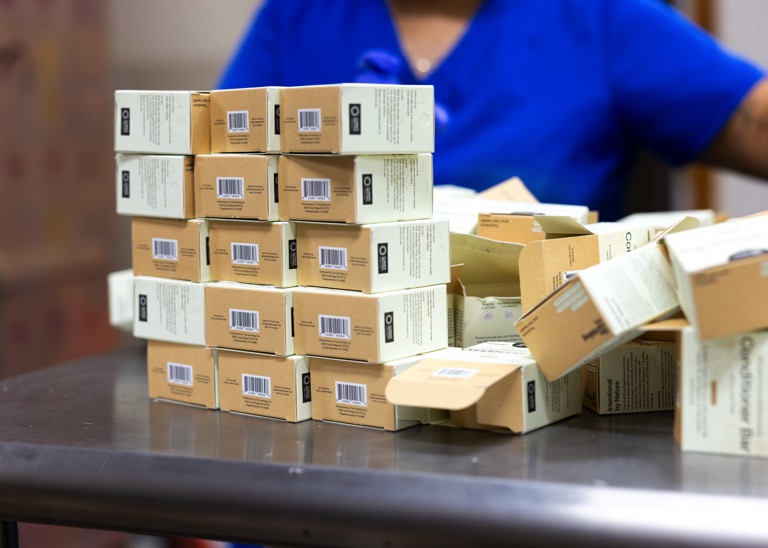
Breaking into the personal care industry used to demand a hefty upfront investment. Brands were expected to commit to massive production runs, warehouse pallets of finished goods, and hope the market responded. For an emerging hair care company, that kind of financial exposure can stall a launch before it even begins.
Low minimum order quantities change the math entirely. Instead of ordering tens of thousands of units on day one, founders can begin with smaller batches, perhaps a few thousand bars or bottles, and build from there. The approach protects working capital, shortens timelines, and lets entrepreneurs focus on what actually matters: building a brand people remember.
Perhaps the most overlooked part of this equation is psychological. When you are not buried under six figures of unsold inventory, you make clearer decisions. You invest in better packaging. You refine formulas based on real feedback. You move faster. That is the kind of agility that separates brands that thrive from those that quietly fold within eighteen months.
If you are exploring the solid shampoo bar space or looking to add conditioning bars to your lineup, starting with manageable order sizes is not a limitation. It is a strategic move.
What “Low MOQ” Actually Means in Contract Manufacturing
Defining the Threshold
MOQ stands for minimum order quantity, the smallest number of units a production facility will accept per run. In the cosmetics and personal care manufacturing industry, these thresholds vary widely. Some overseas factories require 10,000 or even 50,000 units. Others, particularly domestic producers focused on emerging brands, accept orders starting at a few thousand.
At a facility like MidSolid Press & Pour, the minimum sits at 5,000 bars. That is low enough for a startup to test the waters and high enough for the manufacturer to run an efficient production cycle. Weekly capacity here is 35,000 bars, meaning reorders are fast once demand picks up.
How It Differs From White Label
A quick distinction worth clarifying: private label means a manufacturer produces a custom formulation under your brand name. A white label is a pre-made product rebranded for multiple sellers. Both models are on the market and can operate with smaller order sizes. The difference is in exclusivity and formulation control, which matters a great deal when you are trying to stand out on crowded shelves.
Benefit 1: A Cost-Effective Entry Point for New Brands
Low-MOQ manufacturing drastically reduces the financial barrier between a founder and a finished product. Rather than sinking $50,000 into your first run, you might spend a fraction of that on a focused batch. The savings are not just about unit cost; they free capital for branding, marketing, and the inevitable tweaks that come after your first round of customer feedback.
Consider a founder launching a shampoo bar aimed at curly-haired consumers. With a smaller batch, she can:
- Test two different fragrance profiles side by side
- Gauge retail interest without a warehouse full of stock
- Invest the remaining budget into e-commerce and social media content
- Adjust the formula after real-world use data comes in
Lower startup costs also make it feasible to pursue certifications or upgraded packaging that would otherwise blow the budget. In our experience, brands that start lean tend to scale more deliberately and survive longer than those that over-invest early.
Benefit 2: Faster Speed to Market
From Concept to Customer in Weeks
Smaller production runs translate to shorter lead times, period. When a contract manufacturer does not need to schedule a 30,000-unit run on an already packed production line, your project moves through formulation, mixing, pressing, curing, and packaging with fewer bottlenecks.
For hair care specifically, this speed advantage is significant. Trends in the beauty industry shift quickly. A conditioner bar infused with a trending botanical can go from concept to finished product in a matter of weeks rather than months. If you miss the window, a competitor fills the gap.
Regulatory Speed Bumps Are Easier to Clear
Under the Modernization of Cosmetics Regulation Act of 2022 (MoCRA), all cosmetic manufacturing facilities that distribute in the United States must be registered with the FDA. Product listings are mandatory, and serious adverse events must be reported within 15 business days. Getting these compliance elements right is simpler when you are launching one or two SKUs at manageable volumes, not fifty at once.
Benefit 3: Reduced Inventory Risk and Waste
Overproduction is one of the quieter killers in the cosmetic space. A brand orders 20,000 units, sells 6,000, and the rest sit in a warehouse collecting dust and approaching shelf-life limits. Low-volume production sidesteps this entirely.
When you produce what you can realistically sell within a defined period, you avoid:
- Storage fees that eat into margins
- Product degradation from prolonged shelf time
- Discounting to move stale inventory
- Disposal costs for expired goods
Sustainability-minded consumers also respond well to smaller-batch production. It signals that a brand is intentional about waste, which is increasingly important in the hair care segment, where packaging and ingredient sourcing face growing scrutiny.
Benefit 4: Greater Flexibility for Product Testing and Iteration
The Feedback Loop That Big Runs Cannot Offer
Here is where low MOQ production truly shines. You launch a shave bar with cedarwood and eucalyptus. Customers love the lather but want a longer-lasting scent. With a small initial run, you can adjust the fragrance load on the very next order without writing off thousands of unsold units.
This iterative cycle, produce, sell, listen, improve, is the engine behind most successful indie beauty brands. Larger runs lock you into a formula for months. Smaller runs let you treat every batch as a learning opportunity.
Testing multiple product lines simultaneously becomes realistic, as well. Maybe you are evaluating a syndet bar alongside a traditional cold-process soap. With modest minimums, you can pilot both without overcommitting to either.
Testing Retail vs. Direct-to-Consumer
Selling through your own website and selling through a retailer require different packaging, sometimes different formulations, and always different pricing strategies. Smaller batches let you experiment across channels before deciding where to double down.
Benefit 5: Tighter Quality Control Across Every Batch
Smaller production batches are inherently easier to monitor. A 5,000-bar run allows the production team to catch inconsistencies, whether in scent, texture, color, or weight, much earlier than a 50,000-unit run would. By the time a defect surfaces on a massive batch, tens of thousands of flawed products may already be packaged.
Quality checks in low-volume settings often include:
- Visual inspection of every extruded or poured bar
- Weight variance testing per batch
- Scent and lather consistency sampling
- Packaging seal and label alignment review
For brands that care about reputation, and every brand should, this kind of close oversight is invaluable. A single bad batch can generate returns, negative reviews, and social media complaints that take months to recover from.
Working with a dedicated production line that specializes in solid hair care products ensures the team handling your order understands the nuances of pressing, curing, and finishing bars correctly.
Benefit 6: Access to Custom Formulations Without the Premium Price Tag
Why Customization Matters More Than Ever
Consumers in 2026 expect specificity. They do not want a generic shampoo; they want a sulfate-free bar for color-treated hair with argan oil and a light citrus scent. Meeting that demand requires formulation flexibility, and that flexibility need not cost a fortune.
Many MOQ manufacturers specializing in hair care offer collaborative formulation development. You share your vision, target audience, and performance requirements. Their chemists develop a recipe that fits your budget and production parameters. When order sizes are smaller, the formulation process is often more hands-on and collaborative, not less.
Private Label Versus Fully Custom
The spectrum here is broad. Some emerging brands start with a private label base formula and customize fragrance, color, or a hero ingredient. Others invest in fully bespoke formulations from scratch. Both paths are valid, and both benefit from lower minimums.
The key is matching your budget to your differentiation strategy. If your brand story centers on a unique ingredient blend, full customization is worth the investment. If you are competing primarily on branding and customer experience, a proven base formula with cosmetic adjustments might be the smarter path.
Benefit 7: Easier Compliance With Evolving FDA and FTC Standards
The regulatory landscape for cosmetic products in the United States has changed significantly since MoCRA became law in December 2022. Facility registration, product listing through the FDA’s Cosmetics Direct portal, adverse event reporting, and safety substantiation are now mandatory for most manufacturers and responsible persons.
For emerging hair care brands, keeping up with these requirements is more manageable on a smaller scale:
- Fewer SKUs mean fewer product listings to maintain and update annually
- Smaller batches generate simpler documentation trails
- Tighter relationships with your manufacturer make it easier to coordinate on compliance paperwork
- Safety substantiation records are less complex when you are working with a focused product line
FTC guidelines also apply to claims you make about your products. Calling something “organic” requires USDA National Organic Program certification for agricultural ingredients. Labeling a bar as “natural” has no legal definition under FDA rules, so brands need to be careful with such claims. Working at lower volumes gives you room to consult with regulatory experts before scaling up and making packaging promises that could attract enforcement attention.
A responsible contract manufacturer will already have their facility registered and can guide you through the listing process for your specific products.
Benefit 8: Stronger Cash Flow Management for Growing Businesses
Cash flow is the lifeblood of any startup, and in the personal care industry, the gap between paying for production and receiving revenue from sales can be brutal. Large orders tie up capital for weeks or months. Low MOQ production compresses that cycle.
Here is a simplified comparison:
| Factor | High MOQ Approach | Low MOQ Approach |
| Initial investment | $40,000 to $80,000+ | $8,000 to $20,000 |
| Inventory holding period | 4 to 8 months | 4 to 8 weeks |
| Reorder flexibility | Locked into long cycles | Reorder as demand grows |
| Risk of unsold stock | High | Minimal |
| Cash available for marketing | Limited | Substantially more |
| Ability to pivot formulas | Difficult mid-run | Built into the model |
Brands that keep their production costs proportional to current demand can reinvest in advertising, influencer partnerships, trade shows, and retail placement, all of which drive the sales that fund the next production run.
Benefit 9: Scalability Without the Growing Pains
Building a Bridge, Not Burning One
One concern founders sometimes voice is whether starting small limits future growth. In reality, the opposite tends to happen. A manufacturer with a weekly output of 35,000 bars can scale your order from 5,000 to 15,000 to 30,000 as your brand gains traction. The infrastructure is already there.
The scaling process typically follows a pattern:
- Phase one: Initial run of 5,000 units to validate the product and build retail or online momentum
- Phase two: Reorder at a slightly higher volume once sell-through data confirms demand
- Phase three: Expand into new SKUs, new scents, or adjacent categories like conditioning bars or guest amenities
- Phase four: Negotiate improved per-unit pricing as your consistent volume warrants it
This graduated approach protects the brand from over-investing at any single stage. It also builds a track record with your manufacturer, which matters when you eventually need faster turnarounds or priority scheduling.
What Scaling Looks Like in Practice
A hotel amenity brand, for example, might begin by supplying a single boutique property with custom guest bars. Once the guest feedback is overwhelmingly positive, the brand can expand into a regional chain without committing to chain-level volumes from the start.
Benefit 10: A Competitive Edge in a Crowded Market
The personal care market is projected to remain fiercely competitive through the rest of the decade. Indie brands now compete with legacy companies that have enormous budgets but often lack the agility to match. Low MOQ production is the equalizer.
While a multinational is locked into 18-month product development cycles, an emerging brand working with a responsive contract manufacturer can:
- Launch a seasonal, limited-edition bar in weeks
- Respond to ingredient trends before they peak
- Offer retailer exclusives without massive overruns
- Pivot away from underperforming products immediately
That responsiveness, the ability to move when the market moves, is perhaps the single greatest advantage small brands hold over their larger competitors. Low minimums make that advantage operational rather than theoretical.
Choosing the Right Manufacturing Partner for Small-Batch Hair Care
What to Look for Beyond Price
Price per unit matters, obviously. But the cheapest option is rarely the best option. Here are the factors that, in our experience, separate a reliable partner from a risky one:
- Specialization: A facility that focuses on solid hair care will understand pressing, extrusion, and curing in ways a general-purpose factory cannot.
- Transparency: Ask about ingredient sourcing, production timelines, and what happens when something goes wrong mid-run.
- Regulatory readiness: Your manufacturer should be registered with the FDA under MoCRA and able to support your product listing and labeling compliance.
- Communication: Responsive, proactive communication is worth its weight in gold. If you cannot reach your production team during a critical run, that is a problem.
- References: Talk to current clients. Ask about consistency, on-time delivery, and how the facility handles unexpected issues.
Red Flags to Watch For
- Manufacturers are unwilling to share certifications or facility details
- Quotes that seem too good to be true, often because they exclude packaging, shipping, or setup fees
- No clear answer on how they handle batch failures or recalls
- Pressure to order far more than you need on a first run
Common Misconceptions About Low MOQ Hair Care Production
“Small Batches Mean Lower Quality”
This is simply not accurate. Batch size and finished product quality are independent variables. A 5,000-bar run pressed on well-maintained equipment with carefully sourced ingredients will outperform a sloppy 50,000-unit run every time. Quality depends on formulation, raw materials, equipment, and process controls, not on volume.
“You Cannot Get Custom Packaging at Low Volumes.”
Most packaging suppliers offer minimum runs in the low thousands. Custom boxes, wraps, labels, and inserts are all available in modest quantities. The per-unit cost is higher, yes, but the total outlay is far lower, which is what matters when you are managing startup capital.
“It Is Only for Startups”
Established beauty brands use low-volume runs constantly for limited editions, seasonal launches, market tests in new regions, and retailer-specific exclusives. The model is not a crutch for small companies; it is a strategic tool for any brand that values flexibility.
How MidSolid Press & Pour Supports Emerging Hair Care Brands
MidSolid Press & Pour is based in Douglas County, Colorado, and focuses exclusively on solid hair care and soap products. The facility handles everything from custom formulation development to pressing, hot pour production, packaging, and labeling, all under one roof.
What makes this kind of dedicated operation different from a general cosmetic factory? Specialization. The team knows the quirks of BTMS-25 versus BTMS-50. They understand how humidity affects cure time. They have opinions, earned through thousands of production runs, about which conditioning agents perform best for specific hair types. That depth of experience shows up in the finished product.
The facility’s 5,000-bar minimum and 35,000-bar weekly capacity enable new brands to start small and scale without switching manufacturers. For founders who are tired of being told their order is “too small,” accessibility matters.
Your Next Step Toward Launching a Standout Hair Care Line
Getting started is less complicated than most founders expect. A clear product concept, a target audience, and a willingness to start with what you can realistically sell are often enough to begin the conversation.
If you are ready to explore what a dedicated solid shampoo and conditioner manufacturer can do for your brand, MidSolid Press & Pour is built for exactly this kind of partnership. Reach out for a consultation, bring your questions about formulation, order sizes, and timelines, and find out how a production partner focused on your category can make all the difference. You can also get in touch directly to start the conversation.