


Solid Shampoo and Conditioner
Which Manufacturing Certifications Actually Protect Your Hair Care Brand?
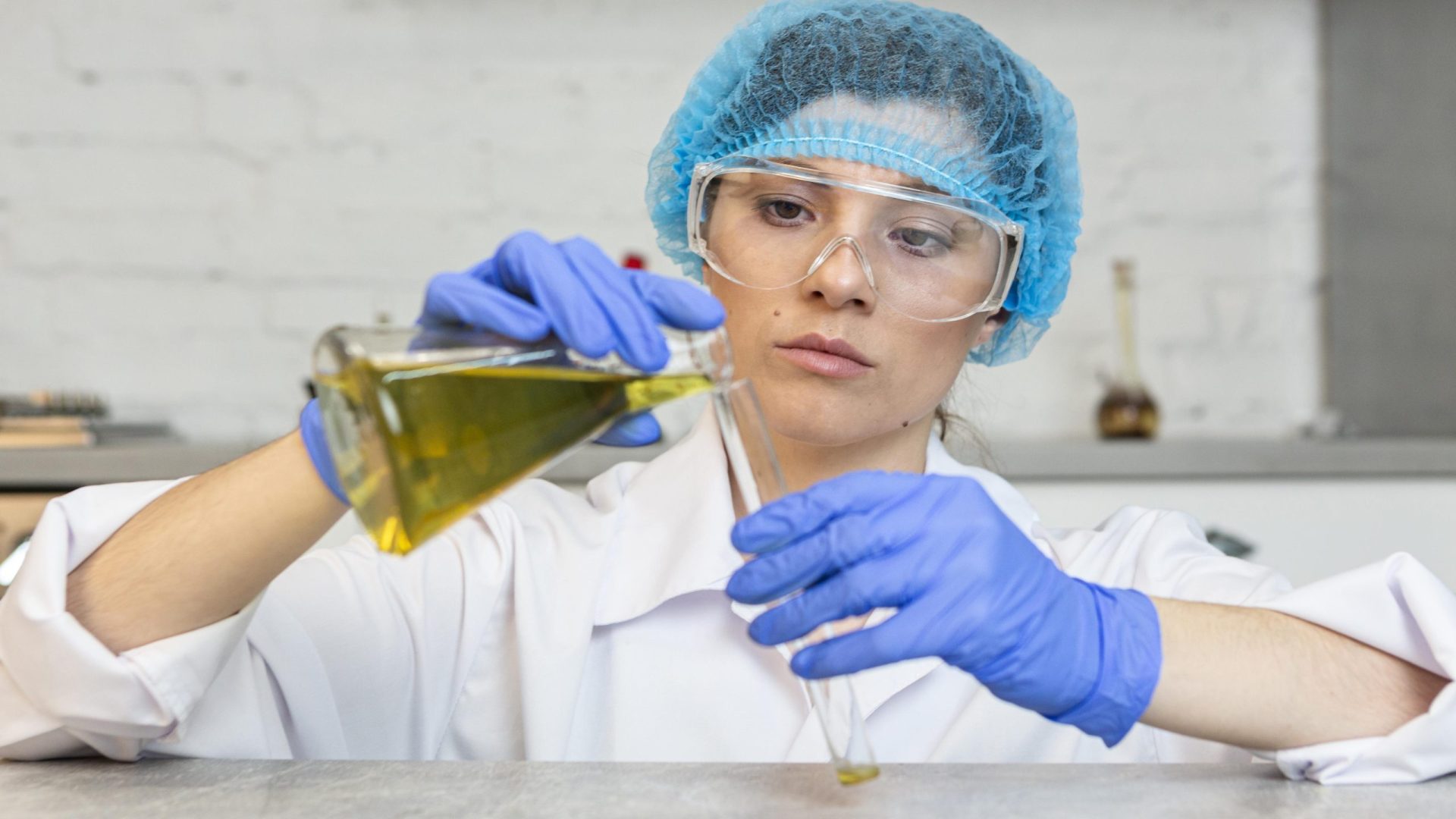
When you start comparing contract manufacturers for your next line of shampoo bars, conditioners, or grooming products, the conversation often jumps straight to pricing, lead times, and minimum order quantities. That makes sense. But here is a question worth asking earlier in the process: what credentials does this facility actually hold?
A manufacturer’s credentials tell you more than a polished sales deck ever will. They reveal how raw materials are sourced, how the production floor operates, and whether the team follows documented protocols or just wings it. In our experience, brands that skip this step tend to encounter problems down the road, sometimes right at the retail buyer’s desk, sometimes at customs.
The personal care space is getting more regulated, not less. The FDA’s Modernization of Cosmetics Regulation Act of 2022 (MoCRA) introduced mandatory facility registration, product listing, adverse event reporting, and upcoming Good Manufacturing Practice requirements. Retailers like Whole Foods, Sephora, and Target now require proof of third-party verification before granting shelf space. And consumers? They read labels more closely than ever.
So let’s walk through the 10 credentials that matter most, and what each one actually signals about the company standing behind your products.
ISO 22716: Good Manufacturing Practices for Personal Care
What ISO 22716 Covers
ISO 22716 is the international benchmark for Good Manufacturing Practices in the cosmetics and personal care industry. Published by the International Organization for Standardization, it addresses how products are made, monitored, stored, and shipped. Think of it as the rulebook that keeps a manufacturing floor clean, consistent, and traceable.
Why It Matters for Your Brand
An accredited third party has audited a facility with ISO 22716 documentation in place. That audit examines everything from ingredient receiving procedures to employee hygiene, equipment calibration, and batch record keeping. The standard was adopted as the baseline for GMP guidelines by the U.S., Canada, the EU, and Japan through the International Cooperation on Cosmetic Regulation back in 2007.
Perhaps more importantly, the FDA referenced ISO 22716 in its draft GMP guidance for cosmetics. With MoCRA now mandating formal GMP rules for manufacturing facilities, working with a partner that already follows this standard puts you ahead of the curve rather than scrambling to catch up.
A Quick Gut Check
If a manufacturer tells you they follow GMP but cannot show proof of an ISO 22716 audit, ask more questions. Internal SOPs are good; independent verification is better.
ISO 9001: Broader Quality Management Systems
How ISO 9001 Differs from 22716
ISO 9001 is the world’s most widely recognized quality management standard, and it applies across virtually every industry. Where ISO 22716 focuses specifically on personal care production environments, ISO 9001 covers the broader management system, including customer feedback loops, continuous improvement, corrective action processes, and leadership accountability.
When to Look for It
A manufacturer holding both ISO 22716 and ISO 9001 signals that quality is woven into the organizational culture, not just on the shop floor. For brands placing large or ongoing orders, this dual approach reduces the risk of batch-to-batch variation. It also means the company tracks performance data, reviews it regularly, and acts on the findings.
Not every contract manufacturer pursues ISO 9001 because it requires significant administrative overhead. But those that do tend to have more reliable production schedules and fewer quality-related surprises.
FDA Facility Registration and MoCRA Compliance
What MoCRA Changed
Before December 2022, cosmetics regulation in the United States had barely changed since 1938. MoCRA introduced sweeping new requirements that affect every business in this sector. Starting July 1, 2024, all manufacturing facilities and their finished products must be registered with the FDA through the Cosmetic Direct portal.
What This Means for Choosing a Partner
Your contract manufacturer should be able to confirm that their facility is registered, that every product listing is current, and that they have systems in place for adverse event reporting. MoCRA also requires responsible persons to maintain records supporting the safety of each product. Brands that assume their manufacturer handles all of this without verification risk compliance gaps that could trigger a recall or import refusal.
Is MoCRA a “certification” in the traditional sense? No. It is a legal obligation. But confirming your manufacturer’s compliance is just as critical as verifying any voluntary credential.
- Facility registration through the FDA’s Cosmetic Direct system
- Accurate product listing including full ingredient disclosure
- Documented adverse event reporting within 15 days for serious events
- Safety substantiation records on file for each finished product
- Preparedness for the upcoming GMP final rules expected under MoCRA
USDA Organic (National Organic Program)
How Organic Claims Work in Personal Care
Here is where things get tricky, and where many brands (and even some manufacturers) stumble. The FDA does not define or regulate the word “organic” as it applies to cosmetics. That authority belongs to the USDA through its National Organic Program. If a hair care product contains agricultural ingredients and makes an organic claim, those ingredients, their handlers, and the manufacturing facility must all be verified by a USDA-accredited certifying agent.
The Four Labeling Tiers
- 100% Organic requires every ingredient (excluding water and salt) to be organically produced
- Organic means that at least 95% of ingredients are verified organic; the USDA seal may appear on packaging
- Made with Organic Ingredients covers products with at least 70% organic content; the seal cannot be used
- Less than 70% organic content allows identification of specific verified ingredients on the information panel only
A Word of Caution
Do not confuse “natural” with “organic.” They are not interchangeable terms, and no federal standard currently governs the use of the word “natural” in cosmetics. A manufacturer claiming their products are “all-natural and organic” without holding NOP verification is making a claim that could attract FTC scrutiny. Ask for documentation. If they cannot provide it, reconsider.
NSF/ANSI 305: Organic Standards for Non-Food Personal Care
Why a Separate Standard Exists
Traditional USDA organic rules were built for food. Soap, shampoo, and conditioner formulations often include non-food ingredients and undergo chemical processes (such as saponification) that would not pass a food-grade organic review. NSF/ANSI 305 bridges that gap. It is the only American national standard that defines labeling and marketing rules for personal care products containing organic ingredients.
Key Requirements
Products must contain at least 70% organic content by weight to qualify for the “contains organic ingredients” designation. The standard also prohibits GMO-derived ingredients and petrochemicals. Third-party verification is handled by certifying bodies like Quality Assurance International, part of the NSF family.
For brands developing solid shampoo bars or conditioning bars with organic botanicals, confirming that your manufacturer can work within these frameworks saves time during the formulation phase. It prevents label claims from outrunning actual ingredient sourcing.
Leaping Bunny: The Standard for Cruelty-Free Claims
What Makes Leaping Bunny Different
Multiple programs exist for cruelty-free verification. Leaping Bunny, administered by the Coalition for Consumer Information on Cosmetics in the U.S. and Canada, stands apart for one reason: it requires independent supply chain audits. Companies must demonstrate that no animal testing occurred at any stage of product development, including at the ingredient supplier level, after a fixed cut-off date.
Annual Recommitment
Leaping Bunny also requires brands to recommit annually. Supply chains shift. Ingredient suppliers change. New formulations launch. The annual renewal process keeps the credential current rather than letting it coast on a single application from years ago.
What to Ask Your Manufacturer
Your manufacturer does not need to hold Leaping Bunny status themselves, but they need to support your brand’s application. That means providing documentation confirming that no animal testing takes place in their facility and that their ingredient suppliers meet the same standard. If a manufacturer cannot supply this paperwork, pursuing Leaping Bunny for your finished products becomes significantly harder.
PETA’s Beauty Without Bunnies Program
A Simpler Path with Broader Reach
PETA’s cruelty-free program operates differently. Companies verify, through a signed statement, that they do not conduct, commission, or allow animal testing, and they pledge not to do so in the future. There are no mandatory independent audits, which lowers the barrier to entry.
Vegan Verification
PETA offers a secondary designation that combines cruelty-free status with a confirmation that the entire product line is free from animal-derived ingredients. For brands developing vegan shampoo bars or plant-based conditioners, this dual mark can be a strong selling point, particularly with younger consumers and specialty retailers.
Is PETA’s program as rigorous as Leaping Bunny? In our assessment, no. But it is globally recognized and carries significant consumer trust. Many brands pursue both credentials.
EWG Verified: Ingredient Transparency at the Highest Level
What the Environmental Working Group Evaluates
The EWG Verified mark goes beyond broad safety claims. Every ingredient in a product must score “green” in EWG’s Skin Deep database, and the formula cannot contain any component on the organization’s restricted or unacceptable lists. Those lists disallow 85 ingredients banned in European cosmetics and 33 banned in Canada, as well as known carcinogens and developmental toxins identified by the State of California.
Full Fragrance Disclosure
One detail that catches some brands off guard: EWG Verified products must disclose every ingredient used in fragrance blends. Many personal care companies rely on “fragrance” as a catch-all term on their labels. This program removes that option entirely.
How This Affects Manufacturing
A manufacturer needs to source ingredients that meet EWG’s strict criteria and maintain traceability documentation throughout the supply chain. Not every facility is set up for this. If ingredient transparency is a core value for your brand, confirming your manufacturer’s familiarity with EWG requirements before development begins will prevent reformulation headaches later.
COSMOS Organic and COSMOS Natural
Europe’s Benchmark for Clean Beauty
COSMOS is managed by a nonprofit association founded by five European certification bodies, including Ecocert, the Soil Association, and BDIH. Two designations exist:
- COSMOS Organic requires that at least 95% of physically processed agro-ingredients be organic, with a minimum of 20% of the total formula being organic (10% for rinse-off products)
- COSMOS Natural focuses on ingredients of natural origin without mandating a specific organic percentage
Why U.S. Brands Should Pay Attention
Even if you sell primarily in the domestic market, COSMOS signals a level of ingredient scrutiny that resonates with retailers and ingredient-conscious buyers. It also smooths the path if you plan to distribute in Europe, the UK, or other markets that recognize the standard. Over 34,000 products across 78 countries now carry one of the COSMOS seals.
For hot-pour and melt-and-pour products, confirming that your manufacturer can source COSMOS-eligible raw materials and maintain the required processing standards is an important early conversation.
B Corp: Verifying the Whole Business, Not Just the Product
Beyond Ingredient Lists
B Corp verification examines the entire business, not a single product or formula. The assessment covers governance, worker treatment, community impact, environmental practices, and customer transparency. It is administered by the nonprofit B Lab and scored on a 200-point scale; companies must earn at least 80 points to qualify.
Why It Matters in Contract Manufacturing
A B Corp manufacturer is making a public commitment to operating responsibly across every function, from how it treats its warehouse staff to how it manages waste and energy use. For brands that market themselves as purpose-driven or sustainability-focused, partnering with a B Corp facility adds credibility that goes beyond what a product-level seal can deliver.
Not every manufacturer pursues B Corp status, and the process can be lengthy. But asking whether your partner is B Corp-certified or working toward it gives you insight into their values and long-term direction.
Putting It All Together: A Summary of Key Credentials
| Credential | Focus Area | Issuing Body | Mandatory or Voluntary | Best For |
| ISO 22716 | GMP for personal care | ISO (third-party auditors) | Voluntary (EU mandatory) | All manufacturers |
| ISO 9001 | Quality management systems | ISO (third-party auditors) | Voluntary | Brands needing batch consistency |
| FDA/MoCRA Registration | Facility and product registration | U.S. FDA | Mandatory in the U.S. | Any brand selling domestically |
| USDA Organic (NOP) | Organic ingredient sourcing | USDA-accredited agents | Voluntary | Brands making organic claims |
| NSF/ANSI 305 | Organic personal care standard | NSF/QAI | Voluntary | Non-food organic formulations |
| Leaping Bunny | Cruelty-free supply chain | CCIC | Voluntary | Brands seeking rigorous cruelty-free status |
| PETA Beauty Without Bunnies | Cruelty-free and vegan status | PETA | Voluntary | Broad cruelty-free recognition |
| EWG Verified | Ingredient safety and transparency | Environmental Working Group | Voluntary | Clean beauty positioning |
| COSMOS Organic/Natural | Natural and organic ingredients | COSMOS-standard AISBL | Voluntary | International distribution |
| B Corp | Whole-business impact | B Lab | Voluntary | Purpose-driven brands |
Frequently Asked Questions
What are the most useful certifications to have?
The answer depends on where you sell and what claims your brand makes. For any company distributing products in the United States, FDA facility registration under MoCRA is non-negotiable. Beyond that, ISO 22716 provides a universally respected foundation for manufacturing quality. If your brand targets the clean or green beauty market, Leaping Bunny and EWG Verified carry significant weight with both retailers and consumers. Brands expanding into European markets should prioritize COSMOS, since it is widely recognized across 78 countries and streamlines approval with international retailers.
What are the top 10 hair care brands?
Global market leaders in the hair category include L’Oreal, Procter & Gamble (Pantene, Head & Shoulders), Unilever (Dove, TRESemme), Henkel (Schwarzkopf), Johnson & Johnson, Shiseido, Revlon, Estee Lauder, Kao Corporation, and Coty. These companies operate at a massive scale with diversified portfolios. However, independent and private label brands are rapidly gaining shelf space by offering specialized formulations, cleaner ingredient profiles, and direct-to-consumer models that larger corporations are slower to adopt.
Who are the big 7 of the beauty industry?
The “Big 7” typically refers to L’Oreal, Estee Lauder, Procter & Gamble, Unilever, Shiseido, Coty, and LVMH (which owns Sephora and multiple prestige beauty houses). Together, these conglomerates control a substantial share of global cosmetics revenue. Their dominance, however, has created an opening for agile private-label brands and indie founders who can move faster on trends like solid bars, waterless formulations, and refillable packaging, areas where smaller players often outpace incumbents.
Which certification is most in demand?
Based on current retail trends and consumer surveys, cruelty-free verification (particularly Leaping Bunny) remains the most sought-after credential among personal care buyers in North America. Clean beauty programs like EWG Verified are growing in demand as ingredient-conscious shopping moves from niche to mainstream. On the manufacturing side, ISO 22716 is rapidly becoming table stakes; several major retailers now require GMP documentation before approving new vendors. Interest in COSMOS is also rising among brands that want a single, internationally recognized credential.
Start Building a Better Supply Chain Today
Choosing the right contract manufacturer is one of the most consequential decisions your brand will make. Credentials do not guarantee a perfect partnership, but they dramatically reduce risk, speed up retailer approvals, and give your customers reasons to trust what is on the shelf.
MidSolid Press & Pour operates from Douglas County, Colorado, producing solid shampoo bars, syndet bars, conditioner bars, and custom formulations for indie beauty brands, established retailers, and hospitality companies alike. If you are evaluating manufacturers and want a transparent conversation about capabilities, compliance, and credentials, reach out to our team to request a consultation or quote.