


Solid Shampoo and Conditioner
How to Get Better Results and More Washes From Your Solid Shampoo Bar
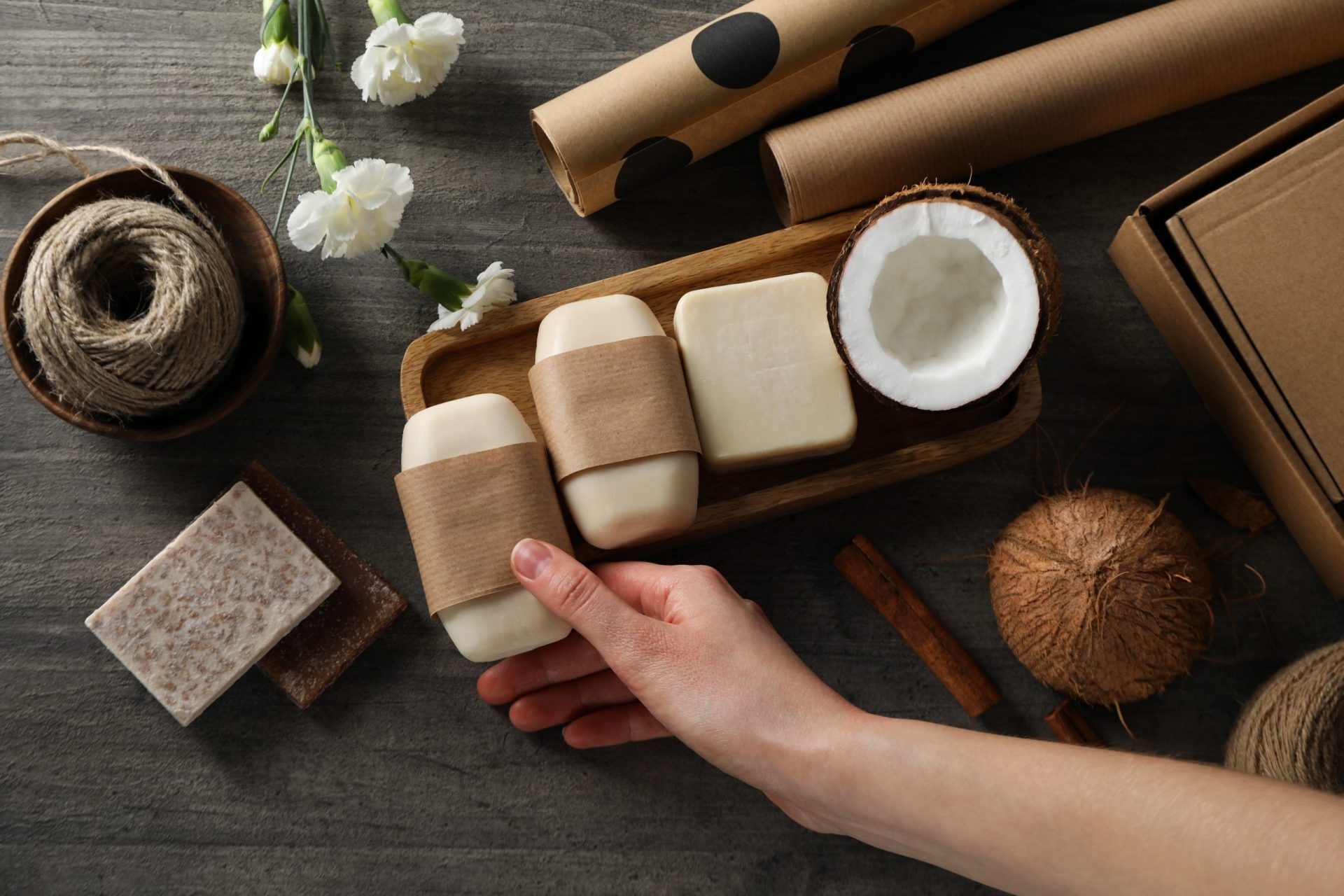
A solid shampoo bar can last two to three times longer than a bottle of liquid shampoo, but only if you know a few tricks. Most people grab one, rub it on their head, and hope for the best. That works, sort of. But there are specific habits that extend each bar’s life, improve lather, and keep your hair feeling genuinely clean. Whether you are a brand owner formulating your own solid shampoo line or a consumer who just picked up a bar for the first time, these tips apply across the board.
We manufacture thousands of solid bars every week at our facility in Douglas County, Colorado, and we have seen firsthand how small adjustments in care and technique make an outsized difference. Here is what actually works.
Wet Your Hair Thoroughly Before Anything Else
This is perhaps the most overlooked step. A bar needs water to activate its surfactants, the cleansing agents that create foam and lift away oil and dirt. If your strands are only slightly damp, you will end up dragging the bar over dry sections, wasting product and resulting in uneven coverage.
Spend 30 to 60 seconds under warm running water before you even pick up your bar. Warm temperatures slightly open the cuticle, allowing the cleanser to reach the scalp more effectively. Cold water, on the other hand, keeps the cuticle tight and can make lathering feel like a chore.
Long or thick hair? Part it into two or three sections before applying any product. This gives each section full contact with water and, later, with the lather itself.
Master the Lathering Technique
There are two main approaches to building lather, and both have their place:
- Direct application: Glide the bar along your hairline and roots using small, circular motions. Focus on the scalp rather than pulling the bar through your lengths.
- Palm lathering: Rub the bar between wet hands until you build a rich lather, then transfer the lather to your head and work it in with your fingertips.
Palm lathering is gentler on the bar and on your strands, making it a solid choice for anyone with fine or damaged hair. Direct application works well for thicker textures that need a bit more product. The key with either method is that you do not need as much product as you think. Bars are concentrated. A little goes far.
Massage your scalp for at least 60 seconds, then let the lather glide down the lengths of your hair as you rinse. The ends of your hair rarely need aggressive scrubbing.
Store Your Bar in a Dry, Well-Ventilated Spot
Here is where most bars meet an early death. Leaving a bar sitting in a puddle of water on the shower ledge will turn it into a mushy, unusable lump within days. Airflow and drainage are non-negotiable.
- Place your bar on a soap dish with raised ridges or slats that allow water to drain beneath it.
- Keep it away from the showerhead’s direct stream.
- If your bathroom stays humid, consider moving the bar outside the shower entirely between washes.
A well-drained storage spot can double or even triple the lifespan of a single bar. In our experience, manufacturing bars through extrusion and pressing, the density of the finished product matters, but even the hardest-pressed bar will degrade quickly without proper drying time between uses.
For travel, let the bar air-dry completely before placing it in a lidded tin or container. Packing a damp bar into a sealed case is a recipe for softness and crumbling.
Pay Attention to Water Quality
Roughly 85 percent of U.S. households have some degree of hard water, according to the U.S. Geological Survey. Hard water contains elevated levels of calcium and magnesium, minerals that can react with certain cleansing agents, leaving a filmy residue on your hair.
If your hair feels waxy or stiff after switching to a solid bar, hard water is likely the culprit. Here are a few practical fixes:
- Install a showerhead filter. These are relatively inexpensive and remove a significant amount of mineral buildup before it reaches your hair.
- Try an apple cider vinegar rinse. Mix 1 part vinegar with 4 parts water, then pour it through your hair after shampooing. This helps dissolve mineral deposits and restores natural softness.
- Choose sulphate-free bars made with mild surfactants. Ingredients like sodium cocoyl isethionate (SCI) tend to perform better in hard water than traditional soap-based formulations.
The distinction between a true shampoo bar and a bar of regular soap marketed for hair washing is critical here. Soap bars have a pH of around 9-10, which is far too alkaline for most scalps. A properly formulated shampoo bar sits closer to a pH of 5-6, matching the natural acidity of your scalp and hair.
Rinse Longer Than You Think You Should
Under-rinsing is the second most common mistake, right after poor storage. Solid bars are more concentrated than liquid products, so residual product tends to linger if you rush through the rinse cycle.
A good rule of thumb: rinse for 30 seconds longer than feels necessary. Focus the water stream on your scalp first, then let it cascade down through the lengths. If you have long or dense hair, separate it into sections while rinsing, just as you did when wetting it.
Any leftover product on your scalp can make hair look dull and feel heavy by the next morning. It can also create the illusion that the bar itself is causing buildup, when in reality the bar just needs a more thorough rinse.
Understand the Transition Period
Switching from a conventional liquid product to a solid formulation sometimes involves a brief adjustment window. Your scalp has become accustomed to a specific set of ingredients, possibly including silicones, sulfates, and synthetic conditioning agents. Removing those suddenly can temporarily cause your scalp to overproduce oil and soap.
A few things to keep in mind:
- Syndet bars (synthetic detergent bars, not soap) typically produce a shorter adjustment period than soap-based bars, because they use surfactants already familiar to your hair from liquid shampoo ingredients.
- The waxy or heavy feeling some people report during the first week or two is usually old silicone residue coming off, not a reaction to the new bar.
- A single clarifying wash before switching can remove much of the existing buildup, giving the bar a clean starting point.
- In our experience, most people settle in within three to five washes.
This transition is not universal. Many people notice no change at all, especially when using a well-formulated syndet product. If your hair still feels off after two weeks, the bar may not be right for your specific hair type, or water quality may be a factor worth investigating.
Match the Bar to Your Hair Type
Not all bars are built the same, and neither is all hair. Choosing the right formulation for your specific needs makes a meaningful difference.
| Hair Concern | What to Look For | What to Avoid |
| Dry, brittle strands | Bars with shea butter, argan oil, or coconut-derived moisturizers | Harsh cleansers, high-sulfate formulas |
| Oily roots and flat scalp | Bars with clay or charcoal, lighter butters | Heavy oils like castor that weigh hair down |
| Color-treated hair | Sulphate-free, pH-balanced formulations | Alkaline soap bars that strip color faster |
| Sensitive or irritated scalp | Fragrance-free options with nourishing ingredients like oat extract | Bars with synthetic fragrance or essential oil blends that irritate |
| Fine, limp hair | Lightweight formulas, volumizing botanicals | Rich conditioner bars applied at the roots |
When we develop custom formulations for private label shampoo clients, the conversation always starts with the target audience. A bar made for dry hair will look and feel very different from one designed for an oily scalp, and the ingredients list will reflect that. One size rarely fits all hair types.
Pair Your Bar With the Right Conditioner
A shampoo bar handles cleansing; a conditioner bar handles detangling, softness, and replenishing moisture. They work best as a team.
If your hair is short or naturally fine, you may not need a separate conditioning step after every wash. But for longer, thicker, or textured hair, follow up with a solid conditioner or a leave-in treatment. Focus the conditioner on mid-lengths and ends, avoiding the scalp to prevent greasy roots.
For brands developing a full product line, offering a solid conditioner alongside the shampoo is almost always a smart move. Customers who get good results from one product tend to want the matching companion.
Cut the Bar in Half for Better Drying
This one surprises people, but it works. Slicing a full-size bar in half before you start using it gives you two pieces that each dry faster between washes. Faster drying means less product wasted to softening and dissolution.
Keep the unused half in its original packaging in a cool, dry spot, like a linen closet or bedroom drawer. Avoid storing it in the bathroom, where ambient humidity and shower steam will slowly break it down.
Bonus tip for the end of the bar’s life: When a piece gets too small to hold comfortably, press the remnant onto a new bar while both are slightly damp. Leave them together to dry, and they will bond into one piece, so nothing goes to waste.
Give Your Scalp a Weekly Reset
Even with a perfectly formulated bar, regular scalp care matters. Buildup from styling products, environmental pollutants, and natural oils can accumulate over time, making any shampoo feel less effective.
Once a week, or every other week, consider one of these resets:
- A clarifying wash using a bar specifically designed for deeper cleansing
- An apple cider vinegar rinse to remove mineral and product residue
- A scalp massage with your fingertips before washing, which loosens debris and stimulates circulation
Think of this the way you might think about a deep clean for your home. The daily sweep keeps things tidy, but every so often, you need something more thorough. Your scalp responds the same way.
Frequently Asked Questions
Are solid shampoo bars better for your hair?
That depends entirely on the formulation, not the format. A well-made bar using gentle surfactants and quality botanicals can perform just as well as, or better than, many bottled products. Bars tend to skip the fillers, excess water, and synthetic preservatives found in liquid alternatives. For people with sensitive or easily irritated scalps, a pH-balanced bar with minimal additives can feel noticeably gentler. The eco-friendly angle matters, too: reducing plastic packaging is a genuine benefit without sacrificing effectiveness, provided the product is properly formulated for the intended audience.
How to use a shampoo bar effectively?
Start by soaking your hair completely with warm water for at least 30 seconds. Then either glide the bar along your roots in small circles or rub it between your palms to create foam first. Focus your energy on massaging the scalp, where oil and dirt tend to accumulate. Let the lather travel down through the lengths naturally while rinsing. Spend more time rinsing than you think necessary, because concentrated formulas leave residue if you cut the rinse short. Afterward, store the bar on a drying surface away from splashing water to preserve its shape and longevity between washes.
How to get the most out of bar soap?
Proper storage is the single biggest factor. Keep any solid cleansing product on a dish with drainage, far from standing water or shower spray. Letting it dry fully between uses prevents premature softening. Cutting the bar into smaller portions helps each piece dry faster and reduces overall waste. Using a soap saver pouch for the last small fragments makes sure nothing gets thrown away too early. These same principles, which apply to traditional soap, work equally well for manufacturing shampoo and conditioner in solid form.
What are the downsides of shampoo bars?
The learning curve is real for some users. Building lather with a solid product can feel unfamiliar at first, and people in hard-water areas may struggle with residue until they find the right formulation or add a vinegar rinse. Storage requires a bit more thought than tossing a bottle on the shelf. Some bars, particularly soap-based ones, can be too alkaline for certain hair textures, causing dryness or a stiff, coated feeling. And not every bar suits every person; finding the right match sometimes takes trial and error, especially for those with color-treated or chemically processed strands.
Ready to Build Your Own Shampoo Bar Line?
If you are developing a brand or expanding an existing product range, solid bars are one of the fastest-growing categories in personal care. MidSolid Press & Pour works with indie beauty brands, established retailers, and hospitality companies to create custom-formulated bars through private-label and white-label programs. Whether you need an alternative shaving product or a full suite of cleansing and conditioning bars, our team in Douglas County, Colorado, can help you take your concept to a finished product. Reach out for a consultation, and let’s talk about what your customers actually need.