


Solid Shampoo and Conditioner
10 Questions to Ask When Selecting Your Private Label Shampoo Bar Manufacturing Partner
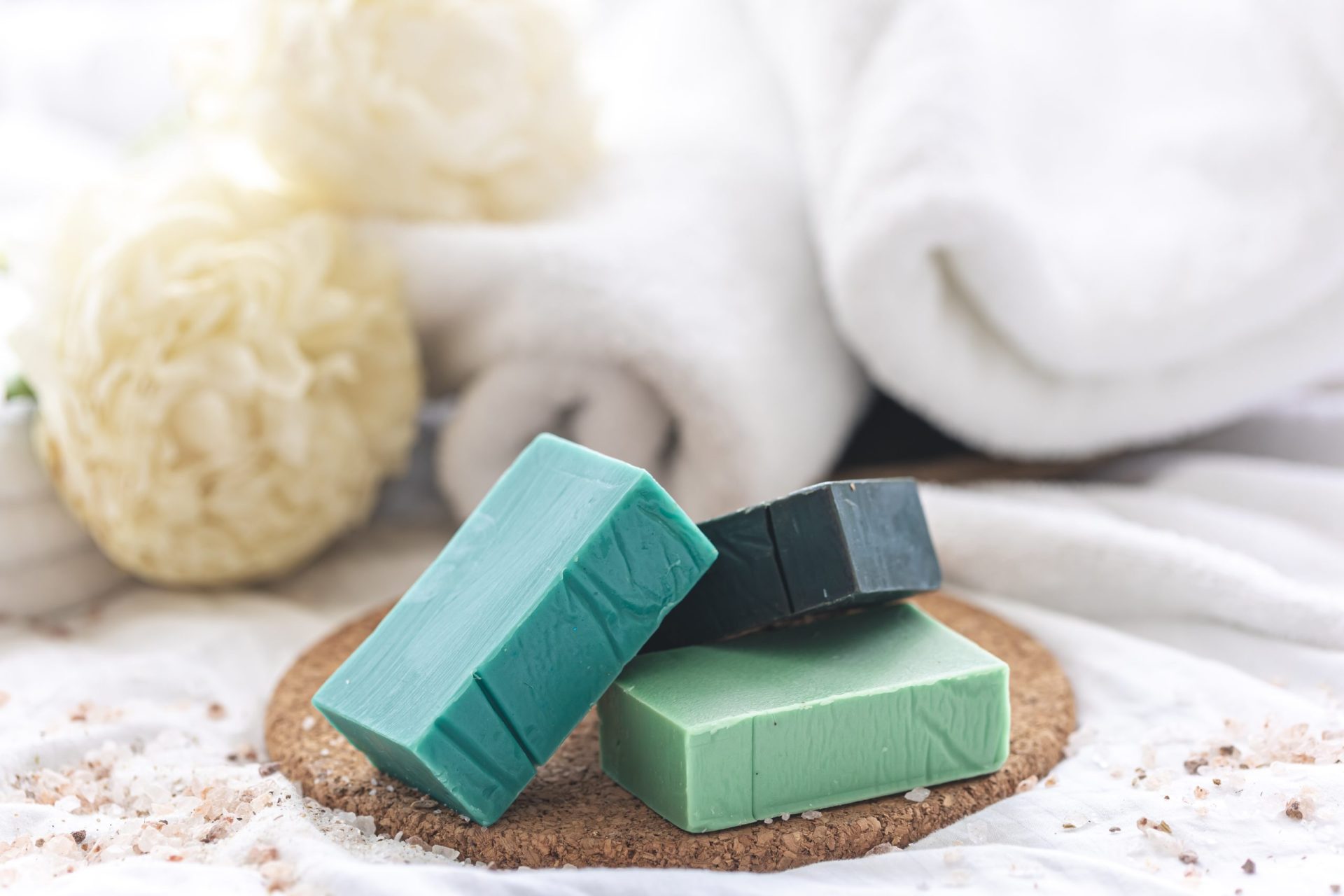
Finding the proper private-label manufacturer for your shampoo bar brand can feel overwhelming. The market has expanded significantly over the past few years, and you’re facing more options than ever before. That’s actually a good thing. More choices mean better opportunities to find a manufacturing partner who truly aligns with your vision.
But here’s the catch: not all label manufacturers operate the same way. Some specialize in liquid formulas. Others focus exclusively on bar products. A handful might claim expertise across the entire beauty industry, but lack the track record to back it up.
I’ve put together these essential questions to help you cut through the noise. Whether you’re launching a small product line or scaling an established brand, these considerations will save you time, money, and potential headaches down the road.
Why Your Choice of Manufacturer Matters
Your private label shampoo bar manufacturer isn’t just a supplier. Think of them more as a business partner who’ll influence everything from product quality to your brand’s reputation in the market.
The wrong fit could lead to:
- Inconsistent product batches that frustrate customers
- Missed deadlines that hurt your inventory planning
- Compliance issues that put your entire business at risk
- Hidden costs that erode your profit margins
The right manufacturing partner, on the other hand, brings expertise you might lack internally. They understand formulation nuances, regulatory compliance requirements, and industry trends that could give your brand an edge.
Getting this decision right from the start saves considerable resources. Switching manufacturers mid-stream disrupts everything from your supply chain to your customer relationships.
Question 1: What’s Your Experience with Shampoo Bar Formulation?
Not every cosmetic manufacturer understands solid hair care products. Shampoo bars require different expertise than liquid shampoos, lotions, or skincare items.
What to ask specifically:
- How many shampoo bar formulas do you currently produce?
- Can you share examples of bar products you’ve manufactured?
- What types of hair concerns do your existing formulas address?
Some manufacturers are highly diversified, operating across dozens of product categories. That breadth isn’t inherently problematic, but you want confirmation that they have genuine experience with your specific product type. A company that primarily produces liquid cosmetics may struggle with the unique challenges of solid bar manufacturing.
Bar products have distinct requirements around:
- Pressing or molding techniques
- Moisture content management
- Shelf stability without traditional preservatives
- Packaging that protects against humidity
Ask about their production methods. Do they use traditional cold process techniques? Press and pour methods? Understanding their approach helps you gauge whether their capabilities match your product vision.
Question 2: Are They GMP Certified and Regulatory Compliant?
This question is non-negotiable. Good Manufacturing Practices certification demonstrates that a facility follows industry-standard protocols for product safety and consistency.
Key certifications to verify:
- GMP (Good Manufacturing Practices) certification
- FDA registration (required under MoCRA regulations)
- ISO certifications were applicable
- Any relevant organic or cruelty-free certifications
The Modernization of Cosmetics Regulation Act (MoCRA) changed requirements for cosmetic facilities in the United States. Manufacturers must now register with the FDA and comply with safety substantiation requirements. Your manufacturing partner should understand these obligations thoroughly.
Beyond federal requirements, consider whether they can support certifications that matter to your target customers. Vegan, cruelty-free, organic, and similar designations require specific documentation and audit trails.
Red flags to watch:
- Vague answers about certification status
- Unwillingness to share documentation
- No clear understanding of current FDA requirements
- Missing or expired certifications
A reputable manufacturer welcomes these questions. They know regulatory compliance protects both parties.
Question 3: What Shampoo Formulas Do You Offer?
Understanding available formulation options early prevents disappointment later. Some manufacturers work exclusively with pre-existing stock formulas. Others offer custom development from scratch.
Stock formulas let you launch faster at lower cost. The manufacturer has already tested these recipes for stability, safety, and performance. You add your branding and minor tweaks, such as fragrance selection.
Custom formulation costs more and takes longer, but creates something unique to your brand. This path makes sense when you’re targeting a specific market gap or want particular cosmetic ingredient combinations unavailable elsewhere.
Ask about their capabilities across different hair types and concerns:
- Clarifying bars for oily scalps
- Moisturizing options for dry or damaged hair
- Color-safe formulas for treated hair
- Bars designed for curly or textured hair patterns
- Dandruff-control or scalp-treatment variations
Don’t forget to inquire about ingredient flexibility. Can they accommodate specific ingredient preferences? What about ingredient exclusions for customers with sensitivities?
Question 4: What Are Your Minimum Order Quantities?
Minimum order quantities (MOQs) determine whether a manufacturer fits your current business stage. Some companies require orders in the tens of thousands. Others accommodate brands that are just starting.
Typical MOQ considerations:
- First-order minimums versus reorder minimums
- Whether custom formulas carry higher minimums
- Minimums per SKU when ordering multiple products
- Any flexibility for initial test batches
A manufacturer with a 10,000-unit minimum won’t work for a brand that wants to test-market its response with 500 bars first. Conversely, a company specializing in small-batch production might struggle to scale as your brand takes off.
Think about where you’ll be in 12 to 24 months, not just tomorrow. Ideally, find a partner whose MOQ structure aligns with both your launch phase and your future growth trajectory.
Some manufacturers offer tiered pricing that rewards larger orders while still accommodating smaller ones. This structure gives you room to grow without the pressure of massive commitments early on.
Question 5: What Are Your Lead Times and Production Capacity?
Lead times affect everything from inventory planning to marketing launch dates. Understanding typical timelines helps you set realistic expectations with customers and retail partners.
Questions to ask:
- What’s the average turnaround from order to shipment?
- How do lead times differ for stock versus custom formulas?
- What’s your maximum monthly production capacity?
- How do seasonal demand fluctuations affect your timelines?
Stock formula orders generally ship faster since ingredients are already sourced and tested. Custom development adds weeks or months for formulation, stability testing, and safety assessment.
Production capacity matters if you’re anticipating rapid growth. A manufacturer operating at 90% capacity may struggle to accommodate your large holiday order. Understanding their bandwidth prevents supply chain emergencies during your busiest periods.
Get specifics about their communication throughout production. Will they provide status updates? How do they handle unexpected delays? Proactive communication prevents surprises that cascade through your business operations.
Question 6: How Do You Handle Quality Control?
Quality control separates adequate manufacturers from exceptional ones. Every batch should meet consistent standards for appearance, performance, and safety.
Standard quality control measures include:
- Raw material testing upon receipt
- In-process checks during production
- Finished product testing before release
- Microbial testing to prevent contamination
- Stability testing for shelf life verification
Ask how they document quality control processes. Can they provide certificates of analysis for each batch? What happens when a batch fails to meet specifications?
Product safety testing deserves special attention. Shampoo bars contact the skin and scalp directly. Contamination or improper pH levels create real risks for end users and significant liability for your brand.
Beyond standard testing, consider whether they track ingredient traceability. If a supplier issue affects a particular component, can they identify which batches used that ingredient? This capability is critical in recall situations.
Question 7: What Packaging and Labeling Support Do You Offer?
Many private-label manufacturers limit their services to producing the product. Packaging and labeling become your responsibility. Others provide turnkey solutions that cover everything from final packaging to retail-ready packaging.
Packaging considerations:
- Do they offer packaging procurement or recommendations?
- Can they accommodate custom packaging requests?
- What sustainable packaging options exist?
- How do they protect bars during shipping?
Labeling carries regulatory implications beyond aesthetics. Cosmetic labels must include specific information in particular formats. Your manufacturer should understand current labeling requirements and help ensure compliance.
Some companies employ in-house design teams that assist with label creation. This service streamlines the process considerably compared to coordinating between separate design, production, and labeling vendors.
Ask about their experience with sustainable packaging specifically. Eco-conscious consumers increasingly choose brands aligned with their environmental values. Offering plastic-free or recyclable packaging strengthens your market positioning.
Question 8: What Are Your Pricing and Payment Terms?
Cost obviously influences your decision, but the cheapest option rarely delivers the best value. Understanding total costs, not just per-unit pricing, prevents budget surprises.
Get clarity on:
- Per-unit costs at various order volumes
- Set up or tooling fees for custom projects
- Costs for custom formulation development
- Packaging costs (if included or separate)
- Shipping and freight charges
Payment terms deserve attention, too. Some manufacturers require full payment upfront. Others offer net-30 or milestone-based payment structures. Cash flow implications differ dramatically between these approaches.
Hidden costs catch many new brands off guard. Ask explicitly about potential additional charges for:
- Rush orders or expedited shipping
- Formula modifications or reformulation
- Label changes or corrections
- Storage fees for delayed shipments
Request a detailed cost breakdown rather than a simple per-unit quote. Transparency hereindicatess how the manufacturer operates in general.
Question 9: Can You Scale with My Business?
Your brand’s needs today won’t match your needs in two or three years. A manufacturer perfect for startup volumes might become a bottleneck as you grow.
Scalability questions:
- What’s the maximum order size you can handle?
- How do lead times change at higher volumes?
- Do you have expansion plans or additional facilities?
- What percentage of your capacity does my projected business represent?
Switching manufacturers disrupts product consistency. Customers notice when their favorite shampoo bar suddenly smells different or performs differently. Finding a partner who can grow alongside you eliminates this problem.
Consider their existing client roster. A manufacturer whose largest client orders 5,000 units monthly might struggle with your eventual 50,000-unit orders. Ask about their experience handling substantial growth for other brands.
Question 10: Can You Provide References?
Past performance predicts future results better than any sales pitch. References let you hear directly from brands that have worked with the manufacturer.
What to ask references:
- Has product quality remained consistent over time?
- How responsive is the team when problems arise?
- Have they met delivery commitments reliably?
- Would you recommend them to other brands?
A confident manufacturer shares references readily. Hesitation or excuses should raise concerns. Even without formal references, online reviews and industry reputation provide proper signals.
Look for brands similar to yours in size and product focus. Their experience translates more directly to your likely experience than feedback from dramatically different businesses.
Quick Reference: Key Evaluation Criteria
| Evaluation Area | What to Verify | Why It Matters |
| Experience | Years in operation, bar-specific expertise, and sample products | Ensures they understand solid hair care manufacturing |
| Certifications | GMP status, FDA registration, specialty certifications | Protects product safety and regulatory compliance |
| Formulation | Stock options, custom capabilities, ingredient flexibility | Determines product differentiation potential |
| MOQs | First order minimums, reorder quantities, and SKU minimums | Aligns with your budget and inventory strategy |
| Lead Times | Production timelines, communication practices | Enables reliable inventory planning |
| Quality Control | Testing protocols, documentation, and traceability | Safeguards product consistency and safety |
| Packaging | Options offered, sustainable choices, labeling support | Affects final product presentation and compliance |
| Pricing | Total costs, payment terms, hidden fees | Impacts profitability and cash flow |
| Scalability | Growth capacity, facility expansion, client mix | Supports long-term partnership viability |
| References | Client testimonials, reputation, and online presence | Validates claims with real experience |
FAQs About Choosing a Private Label Shampoo Bar Manufacturer
What certifications should a shampoo bar manufacturer have?
At a minimum, your manufacturer needs current GMP certification and FDA registration in accordance with MoCRA requirements. Additional valuable certifications include organic, vegan, cruelty-free, and fair-trade designations, depending on your brand positioning. Request documentation verifying active certification status rather than accepting verbal assurances. Some manufacturers maintain ISO certifications demonstrating broader operational excellence. Certification requirements vary by target market, so clarify which specific credentials matter for your distribution channels.
How long does it typically take to develop a custom shampoo bar formula?
Custom formulation timelines generally range from eight to sixteen weeks, depending on complexity. This period includes initial concept development, prototype creation, stability testing, and safety assessment. Simple modifications to existing formulas take less time than entirely new creations. Factors affecting timeline include ingredient sourcing challenges, required testing protocols, and revision cycles based on your feedback. Plan your launch schedule with an adequate buffer for unexpected delays during development.
What’s the difference between private label and white label shampoo bars?
White-label products use generic, pre-made formulas that multiple brands sell under different names. Private label manufacturing typically involves greater customization,n from formula adjustments to exclusive packaging designs. White label offers faster launches at lower costs but limited differentiation. Private label requires more investment but creates products unique to your brand. Many manufacturers offer both options, allowing you to start with white-label and transition to private-label as your brand matures.
Should I request samples before placing a whole order?
Absolutely request samples before committing to production orders. Samples let you personally assess texture, fragrance, lather quality, and performance. Request samples of both the stock formulas you’re considering and the prototypes for any custom development. Some manufacturers charge nominal sample fees, while others provide them free of charge. Testing samples yourself is better than relying solely on descriptions or specifications. Share samples with trusted individuals for broader feedback before finalizing your selection.
How do I verify a manufacturer’s quality control practices?
Request documentation of their quality control procedures, including testing protocols, batch documentation examples, and certificates of analysis formats. Ask whether they permit facility visits or virtual tours. Inquire about their handling of failed batches and customer complaints. Manufacturers with robust systems discuss these topics confidently and transparently. Third-party audits and certifications provide additional verification beyond self-reported practices. Ongoing quality starts with initial verification but requires continued monitoring throughout your partnership.
Ready to Launch Your Shampoo Bar Brand?
Choosing the right manufacturing partner sets the foundation for everything that follows. These questions help you separate promising candidates from companies that simply won’t deliver what your brand needs.
Take your time with this decision. A few extra weeks spent evaluating options is better thanmonths of frustration with a poor fit. The best manufacturing relationships feel like genuine partnerships, with both sides invested in mutual success.
Partner with MidSolid Press & Pour
MidSolid Press & Pour brings Colorado-based expertise in solid bar manufacturing. Our team understands the unique requirements of shampoo bar production and works closely with brands at every growth stage.
Ready to discuss your project? Contact MidSolid Press & Pour today to explore how we can bring your shampoo bar vision to life with quality, consistency, and genuine partnership.
Related Articles:
(Please link the other related silos below.)
- 10 Things to Consider When Launching a Solid Conditioner Product Line
- 10 Benefits of USA-Made Solid Shampoo Bars for Your Brand
- 10 Red Flags When Vetting a Hair Care Contract Manufacturer
- 10 Reasons Brands Are Moving from Liquid to Solid Hair Care
- 10 Questions Your Private Label Conditioner Supplier Should Answer
- 10 Benefits of Working with a Full-Service Shampoo Bar Manufacturer
- 10 Factors That Determine Solid Shampoo Bar Quality (What Brands Should Know)
- 10 Ways Solid Shampoo Bars Differentiate Your Private Label Brand
- 10 Mistakes Brands Make When Outsourcing Hair Care Manufacturing
- 10 Signs You’ve Found the Right Contract Manufacturer for Your Hair Care Line
- 10 Things to Know Before Ordering Custom Formulated Shampoo Bars