


Solid Shampoo and Conditioner
10 Things to Consider When Starting a Solid Conditioner Product Line
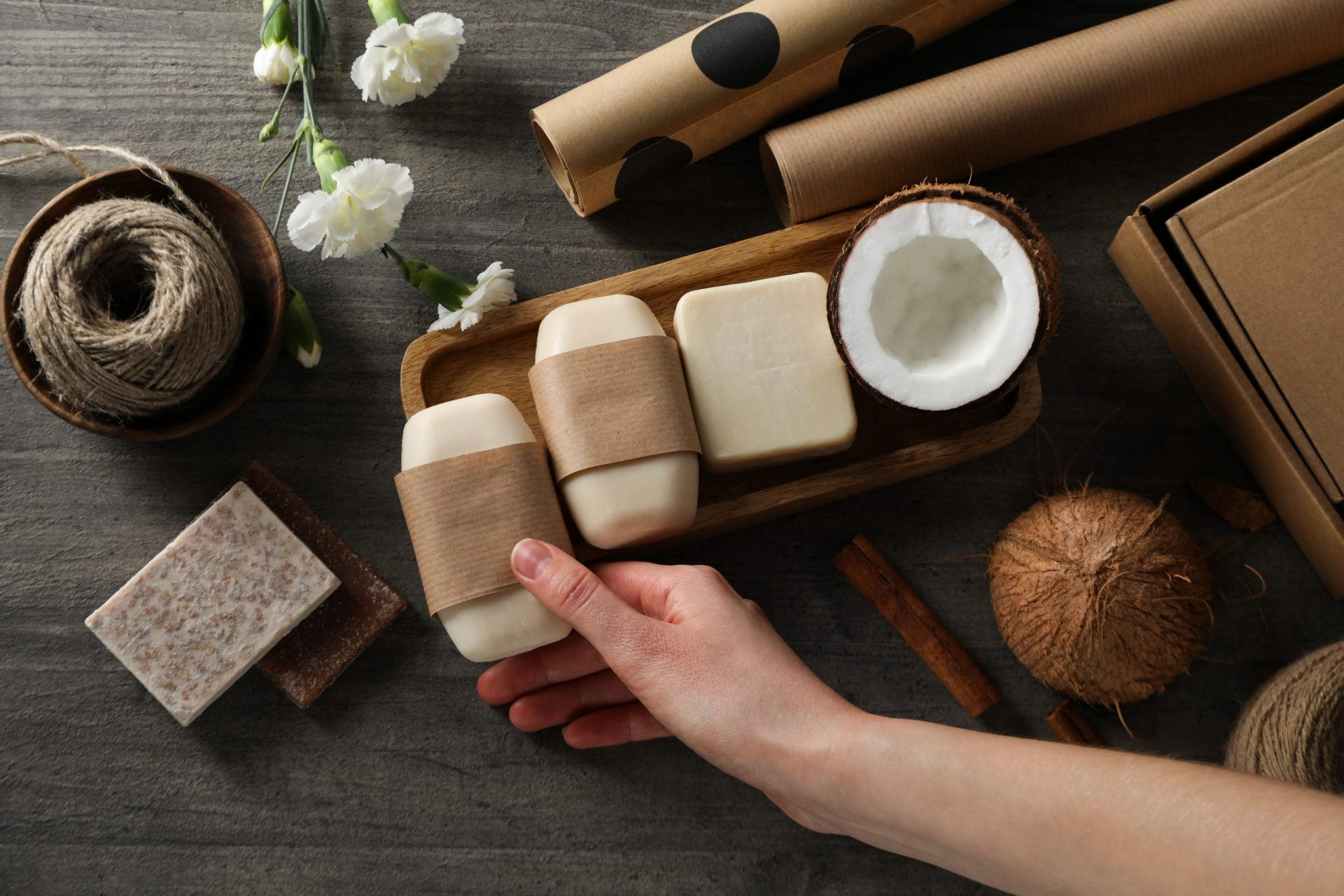
Solid conditioner bars are having a moment. They’ve been building momentum for several years, but the conditioner market has reached a point where launching this product line makes genuine business sense. Unlike their liquid counterparts, these concentrated bars offer sustainability benefits, travel convenience, and a premium positioning that appeals to eco-conscious consumers.
But here’s the thing: starting a solid-conditioner product line isn’t quite the same as launching traditional hair-care products. The formulation differs. The packaging requirements differ. Even the marketing angle requires a slightly different approach.
I’ve put together these ten considerations to help you think through the critical phases of bringing solid conditioner products to market. Whether you’re working with a private label manufacturer or exploring custom formulation options, these factors will shape your success.
Understanding Market Demand for Solid Hair Care
Before you start formulating or talking to conditioner manufacturers, take time to understand what’s actually driving consumer interest in solid hair care. The sustainability angle is apparent, sure. But there’s more beneath the surface.
Solid conditioners appeal to several distinct customer segments:
- Zero-waste enthusiasts seeking plastic-free bathroom routines
- Frequent travelersare tired of liquid restrictions and spill risks
- Minimalists who appreciate concentrated, multi-use products
- Wellness-focused consumers drawn to natural ingredient profiles
The conditioner market has explicitly seen slower adoption than shampoo bars. This creates both challenge and opportunity. Consumers sometimes struggle with applying solid conditioner, so your product education and formulation need to address this head-on.
Understanding market demand also means recognizing where gaps exist. There may be an unmet need for color-safe solid conditioners. Curly-haired consumers may lack options. These gaps represent positioning opportunities for your product line.
Define Your Target Audience Clearly
Trying to appeal to everyone typically results in appealing to no one. The beauty industry rewards specificity, and solid conditioners are no exception.
Questions worth answering before you start:
- What hair type does your ideal customer have?
- What’s their primary hair concern: moisture, detangling, frizz control?
- Where do they currently shop for hair care products?
- What price point feels comfortable for them?
- Do they prioritize organic ingredients, performance claims, or both?
Your target audience influences everything downstream. Product formulation varies based on whether you’re styling fine, limp hair or thick, coily hair. Packaging decisions depend on whether you’re targeting luxury salon clients or budget-conscious college students. Marketing messaging shifts dramatically between demographics.
Be honest about who you’re best positioned to serve. Your personal experience may provide insight into the challenges of natural hair. You may have noticed gaps in the product range for sensitive scalps. Build from genuine understanding rather than chasing the broadest possible market.
Product Formulation Considerations
Solid conditioner formulation presents unique challenges that liquid products don’t face. You’re working with concentrated actives, different delivery mechanisms, and texture expectations that vary from what consumers experience with traditional conditioners.
Key formulation factors include:
- Conditioning agents that perform well in a solid bar format
- Slip and glide during application
- Rinse-off behavior and residue concerns
- Shelf stability without traditional preservative systems
- Fragrance retention over the product’s lifespan
Some ingredients that excel in liquid conditioners don’t translate well to solid formats. Silicones, for instance, can create formulation challenges. Cationic conditioning agents behave differently in anhydrous systems. Working with experienced conditioner manufacturers who understand solid haircare formulation saves considerable time spent on trial and error.
Consider whether to pursue existing private-label formulations or invest in custom development. Private-label options help you get to market faster. Custom formulation creates differentiation but requires more upfront investment and stability testing. Many brands find success by starting with proven private-label hair care formulas, then developing custom products once they’ve validated market demand.
Stability Testing and Quality Assurance
Cutting corners on stability testing creates problems that compound over time. Solid conditioners face particular challenges: they can become too soft in warm climates, too hard in cold conditions, or develop fragrance changes as they age.
Stability testing should address:
- Temperature cycling to simulate shipping conditions
- Humidity exposure relevant to bathroom storage
- Accelerated aging studies to predict shelf life
- Microbial testing for water-activated products
- Physical integrity over time
Quality control extends beyond initial testing. Batch-to-batch consistency is critical to building customer loyalty. A customer who loves their first bar and receives a noticeably different second bar won’t become a repeat buyer.
Work with your manufacturing partner to establish precise quality specifications. Document acceptable ranges for hardness, fragrance intensity, color, and active ingredient levels. These specifications become your benchmark for every production run.
Packaging That Protects and Promotes
Packaging serves dual purposes for solid conditioners: protection and promotion. The protection aspect is sometimes overlooked, but solid bars are more susceptible to environmental factors than bottled liquids.
Protection considerations:
- Moisture barriers that prevent premature softening
- Structural support during shipping and handling
- Light protection for photosensitive ingredients
- Child-resistant options if required by formulation
From a promotional standpoint, packaging communicates your brand values instantly. Sustainability-minded consumers expect eco-friendly materials. Luxury positioning demands premium presentation. Your packaging needs to align with your brand story.
Conditioner labels must comply with regulatory requirements while still conveying compelling marketing messages. Required elements include ingredient lists, net weight declarations, manufacturer information, and any warning statements. Beyond compliance, your labels need to explain how to use the product; applying the solid conditioner isn’t intuitive for everyone.
Consider the unboxing experience as well. Products sold online arrive in shipping containers that become part of the brand interaction. Thoughtful packaging inserts, printed tissue, or branded boxes add touches that customers remember and share on social media.
Choosing the Right Manufacturing Partner
Your manufacturing relationship shapes nearly every aspect of your product line. The wrong fit creates headaches that persist throughout your business. The right partner feels more like an extension of your team.
What to look for in conditioner manufacturers:
- Specific experience with solid hair care products
- Minimum order quantities that match your launch plans
- Flexibility to scale as your business grows
- Clear communication and reasonable response times
- Certifications relevant to your brand positioning
- Geographic location that makes sense for your distribution
Private label manufacturers offer different value propositions than contract manufacturers doing custom work. Private label paths typically mean lower minimums and faster timelines. Custom manufacturing provides differentiation but requires more investment.
Ask potential partners about their approach to product sourcing and supplier risk management. Where do they source key ingredients? What happens if a supplier faces shortages? Companies with diversified supply chains handle disruptions more gracefully than those dependent on single sources.
Don’t overlook the relationship aspect. Manufacturing partnerships work best when communication flows easily. If you struggle to get responses during the evaluation phase, expect similar challenges during production.
Evaluate Your Brand’s Strengths and Values
Your brand needs to stand for something specific. Generic positioning disappears in a crowded market. Clear values attract customers who identify with what you represent.
Questions for brand development:
- What problem does your product line solve that competitors don’t address well?
- What makes your approach to hair care distinctive?
- Which brand values genuinely matter to you and your team?
- How do those values translate into tangible product decisions?
Sustainability drives everything you do. That commitment should be visible in ingredient choices, packaging materials, manufacturing processes, and even shipping decisions. Consumers notice when values feel genuine versus when they’re marketing claims.
Performance may be your primary focus. If so, invest in efficacy testing, share before-and-after results, and be specific about what your products accomplish. Avoid vague claims like “healthier hair” in favor of concrete benefits like “reduces breakage by 40%.”
Brand values also inform which partnerships you pursue, which retailers you approach, and which influencers might authentically represent your products. Clarity here simplifies countless decisions downstream.
Pricing Strategy and Margin Analysis
Pricing solid conditioners requires balancing multiple factors: ingredient costs, manufacturing expenses, packaging investments, marketing budgets, distributor margins, and competitive positioning.
| Cost Category | Typical Range | Notes |
| Raw materials | 15-25% of retail | Varies significantly with ingredient quality |
| Manufacturing | 10-20% of retail | Lower percentage at higher volumes |
| Packaging | 8-15% of retail | Premium packaging costs more but may justify higher pricing |
| Marketing | 15-30% of retail | Higher for new brands building awareness |
| Distribution | 30-50% of retail | Depends on sales channels |
| Profit margin | 10-25% of retail | Target varies by business model |
Premium solid conditioners command higher prices than drugstore alternatives, but your pricing needs to make sense for your target audience. A $28 conditioner bar positioned for eco-luxury consumers differs fundamentally from a $12 bar targeting practical sustainability seekers.
Consider the per-use value proposition. Solid conditioners typically last longer than equivalent volumes of liquid product. Helping customers understand this comparison often justifies premium pricing more effectively than abstract quality claims.
Marketing and Sales Channel Strategy
Where and how you sell shapes customer perception as much as the product itself. Solid conditioners fit naturally into specific channels but require more explanation in others.
Channel considerations:
- E-commerce direct-to-consumer offers the highest margins but requires marketing investment
- Specialty retail (eco boutiques, natural grocers) provides credibility and discovery
- Salon distribution creates professional endorsement and recurring revenue
- Mass retail demands volume and lower pricing, but scales quickly
Most successful brands launch with focused channel strategies before expanding. Trying to be everywhere simultaneously dilutes resources and messaging. You could start with your own website and a handful of aligned retailers to prove the concept before pursuing broader distribution.
Marketing for solid conditioners often requires education alongside promotion. Customers unfamiliar with bar products need convincing that they work. Video content demonstrating application and results proves particularly effective. User-generated content from satisfied customers builds social proof.
Influencer partnerships can accelerate awareness, but choose partners whose audiences align with your target market. A beauty influencer with millions of followers matters less than a smaller creator whose audience genuinely cares about sustainability and natural hair care.
Regulatory Compliance and Legal Requirements
The beauty industry operates under regional regulatory frameworks that vary. Compliance isn’t optional; mistakes have costly consequences.
Key compliance areas:
- Ingredient restrictions and required safety assessments
- Labeling requirements, including ingredient declarations
- Manufacturing facility standards and documentation
- Product claims substantiation
- State-specific requirements (California Prop 65, for example)
Working with manufacturing partners who understand regulatory requirements reduces your compliance burden. However, you remain ultimately responsible for your products. Familiarize yourself with FDA cosmetic regulations if selling in the United States, and research requirements for any international markets you plan to enter.
Product claims deserve particular attention. Claims about treating hair conditions such as dandruff push products toward drug classification, which imposes significantly more stringent requirements. Cosmetic claims about appearance, feel, and cleansing stay on safer regulatory ground.
Consider consulting with a regulatory specialist before finalizing labeling and marketing materials. The investment often prevents expensive corrections later.
Scaling Your Hair Product Line Successfully
Planning for growth from the beginning prevents painful transitions later. Decisions made during launch either support or constrain eventual scaling.
Scalability factors to consider:
- Manufacturing agreements that accommodate volume increases
- Packaging sources that can deliver larger quantities
- Distribution infrastructure capable of growth
- Brand positioning that supports product line expansion
- Financial modeling for various growth scenarios
Scaling your hair product line often means expanding beyond your initial conditioner offerings. Complementary shampoo bars, hair masks, or styling products create cross-selling opportunities and increase customer lifetime value. However, line extensions work best when they genuinely serve customer needs rather than simply padding the catalog.
Geographic expansion presents another scaling path. International sales introduce complexity around formulation compliance, labeling translations, and distribution logistics. Many brands grow domestically before tackling international markets.
Whatever your scaling vision, document it early. Share it with manufacturing partners. Build relationships with suppliers who can grow alongside you. Reactive scaling creates more problems than proactive planning.
Building Customer Relationships and Gathering Feedback
Your customers provide insights that no amount of market research can replicate. Building mechanisms for ongoing feedback creates a competitive advantage and drives product improvement.
Feedback collection approaches:
- Post-purchase surveys focused on product experience
- Social media monitoring and direct engagement
- Review analysis across retail platforms
- Customer service interaction tracking
- Focus groups for new product development
Listen especially carefully to complaints. Customers who take the time to share problems want you to succeed; they’re offering free consulting. Common themes in negative feedback highlight formulation or communication issues that warrant attention.
Positive feedback matters too. Understanding what customers love helps you protect those elements during reformulation and emphasize them in marketing. If customers consistently praise fragrance longevity, make that a headline feature.
Customer relationships extend beyond feedback. Email communication, loyalty programs, educational content, and community building create connections that transcend individual transactions. Customers who feel connected to your brand become advocates who drive word-of-mouth growth.
Seven Critical Phases of Product Development
Launching solid conditioner products follows a logical progression. Understanding these phases helps you plan timelines and resource allocation realistically.
Phase 1: Research and Concept Market analysis, target audience definition, and initial product concept development. This phase typically takes 4-8 weeks with dedicated effort.
Phase 2: Formulation Development Working with chemists or manufacturers to create viable formulations. Expect 8-16 weeks, including initial samples and adjustments.
Phase 3: Stability Testing Accelerated and real-time stability studies to validate shelf life claims. Allow 12-24 weeks,s depending on testing protocols.
Phase 4: Packaging and Branding Design development, packaging sourcing, and brand identity finalization. This phase often runs in parallel with stability testing and takes 8-12 weeks.
Phase 5: Regulatory and Compliance Documentation, labeling review, and compliance verification. Budget 4-8 weeks for thorough review.
Phase 6: Production and Quality Control. Initial production runs with quality verification. Timeline varies by manufacturer but typically 6-10 weeks.
Phase 7: Launch and Distribution Inventory positioning, marketing activation, and sales channel activation. Ongoing from product availability.
FAQs About Launching Solid Conditioner Products
What makes solid conditioners different from liquid formulations in manufacturing?
Solid conditioners use anhydrous or low-water-base systems that require different manufacturing equipment and processes than liquid conditioners. The concentrated format provides higher active-ingredient percentages per unit weight. Temperature control during production affects final bar hardness and texture. Press-and-pour methods differ from liquid bottling lines, and curing times vary by formula. Working with manufacturers experienced in solid hair care products ensures proper process control throughout production.
How long should stability testing take before launching solid conditioner products?
Standard stability testing protocols typically require a minimum of 12-16 weeks for accelerated studies that predict a 12-24-month shelf life. Real-time stability data collected over 6-12 months provides additional confidence but shouldn’t delay launch if accelerated studies show positive results. Temperature cycling, humidity exposure, and microbial challenge testing should all be included. Rushing this phase creates risks of product quality issues after market release.
Can I start with a white-label manufacturer and switch to custom formulation later?
Yes, this progression works well for many brands. White-label and private label options let you validate market demand with lower upfront investment and faster timelines. Once you’ve established a customer base and understand their preferences, investing in custom formulation development makes more strategic sense. Transitioning requires careful management of product consistency expectations, and you should be transparent with customers if formulations change significantly.
What minimum order quantities should I expect from solid conditioner manufacturers?
Minimum order quantities vary significantly between manufacturers, ranging from 500 to 10,000+ units per SKU. Private label manufacturers often offer lower minimums for stock formulations. Custom formulation typically requires higher commitments to justify development investment. Smaller manufacturers may provide flexibility to emerging brands, while larger operations prioritize volume accounts. Negotiate based on your realistic initial sales projections and cash flow constraints.
How do I determine the correct retail price for solid conditioner bars?
Calculate your full cost stack, including ingredients, manufacturing, packaging, shipping, marketing, and desired profit margin. Research comparable products in your target market segment to understand competitive pricing ranges. Consider per-use value compared to liquid conditioners, solid bars often provide more applications per dollar. Test price points with target customers before finalizing. Premium positioning requires premium execution across all brand touchpoints.
Start Your Solid Conditioner Line with Expert Support
Launching a solid-conditioner product line involves numerous decisions and potential pitfalls. Having experienced partners makes the difference between a smooth launch and a frustrating experience.
MidSolid Press & Pour specializes in solid hair care manufacturing from our Colorado facility. Whether you’re exploring private label options or seeking custom formulation development, our team brings deep expertise in bar product manufacturing. Contact us today to discuss your vision and learn how we can help bring your solid conditioner line to market.
Related Articles:
(Please link the other related silos below.)
- 10 Questions to Ask Before Choosing a Private Label Shampoo Bar Manufacturer
- 10 Benefits of USA-Made Solid Shampoo Bars for Your Brand
- 10 Red Flags When Vetting a Hair Care Contract Manufacturer
- 10 Reasons Brands Are Moving from Liquid to Solid Hair Care
- 10 Questions Your Private Label Conditioner Supplier Should Answer
- 10 Benefits of Working with a Full-Service Shampoo Bar Manufacturer
- 10 Factors That Determine Solid Shampoo Bar Quality (What Brands Should Know)
- 10 Ways Solid Shampoo Bars Differentiate Your Private Label Brand
- 10 Mistakes Brands Make When Outsourcing Hair Care Manufacturing
- 10 Signs You’ve Found the Right Contract Manufacturer for Your Hair Care Line
- 10 Things to Know Before Ordering Custom Formulated Shampoo Bars