


Solid Shampoo and Conditioner
Why Cruise Lines and Resorts Are Choosing Solid Hair Care Products
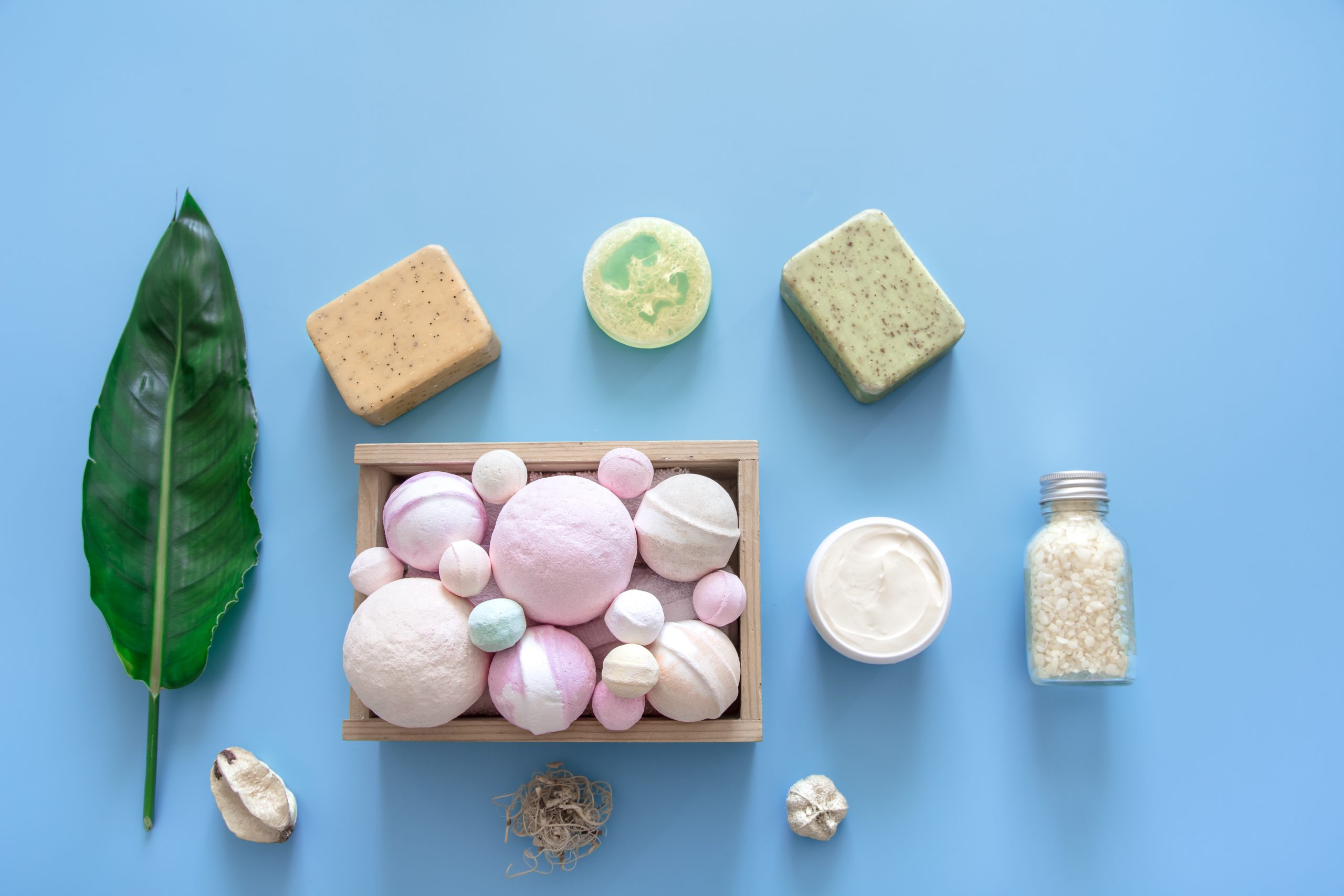
Hospitality buyers have a growing problem on their hands. States like California, New York, and Washington have already passed laws banning single-use plastic toiletry bottles in hotel rooms. Cruise operators face similar pressure from passengers and port authorities alike. The solution? Pressed, waterless formulations that replace bottled shampoo and conditioner with compact bars, reducing waste while improving the guest experience.
If your property still relies on miniature bottles or wall-mounted dispensers, here is why a switch to solid bar manufacturing makes operational and environmental sense.
Easier Compliance With TSA and Airline Liquid Restrictions
Guests flying to your port of call or resort destination must follow the TSA’s 3-1-1 rule, which limits carry-on liquids to 3.4-ounce containers in a single quart-sized bag. Shampoo bars bypass this restriction entirely because solid toiletries are not subject to those screening requirements. Offering pressed bars as a guest amenity means travelers can toss extras into carry-on bags without worry, and you will slide right through the perception of being a forward-thinking brand. Providing products that simplify shampoo travel for your visitors creates goodwill before they even check in.
Significant Reduction in Plastic Waste
A single large cruise ship can carry 5,000 or more passengers per voyage. Multiply that by the number of individual bottles of shampoo and conditioner, and the plastic waste adds up fast. Solid formulations typically ship in compostable, recyclable, or minimal packaging, cutting single-use plastic out of your supply chain almost entirely. The hospitality industry produces staggering amounts of plastic waste annually, and replacing bottled products with bars is one of the quickest wins a property can implement.
When Marriott moved away from miniature toiletry bottles, the company estimated it would prevent roughly 500 million containers from reaching landfills each year. For cruise lines and resorts seeking similar results at a smaller scale, eco-friendly solid bars offer a straightforward path.
Longer Shelf Life and More Durable Formulas Designed for High-Volume Settings
Liquid products expire faster once opened, and dispensers require regular cleaning to prevent contamination. Bars, on the other hand, have more durable formulas designed for environments where humidity, heat, and heavy use are constant concerns. Their long-lasting nature means housekeeping teams replace them less frequently, reducing the risk of leaks, clogs, or dispenser malfunctions. In our experience, a well-formulated pressed bar outlasts the equivalent volume of bottled product by a meaningful margin.
Reduced Storage and Freight Costs
Space on a cruise ship is limited, the most limited of any commercial property type. Bars are denser and smaller than their bottled equivalents, allowing you to store significantly more product in the same footprint. That translates directly to lower freight costs and fewer restocking shipments throughout a sailing season. Resorts in remote locations see similar savings, particularly island or wilderness properties where supply logistics are expensive. Compact, lightweight bars make procurement easier for operations teams managing tight inventory budgets.
Custom Branding Opportunities for Your Property
One of the most overlooked advantages of switching to pressed bars is the branding potential. Bars can be stamped, embossed, or wrapped with custom packaging that reflects your property’s identity, from a luxury cruise line’s logo to a boutique resort’s color palette.
Through private-label manufacturing, hospitality companies can create proprietary shampoo bars, conditioner bars, and bar shampoos that feel exclusive to their guests. This is something genershampoosrs simply cannot replicate. A branded bar also doubles as a take-home keepsake, extending your marketing reach beyond the property itself.
| Factor | Bottled Liquid Products | Solid Hair Care Bars |
| Packaging waste | High (single-use plastic) | Minimal or zero-plastic |
| TSA compliance for guests | Must follow the 3-1-1 rule | No liquid restrictions |
| Storage footprint | Larger, heavier | Compact, lightweight |
| Spill risk | Frequent leaks and dispenser issues | None |
| Custom branding | Limited to labels | Stamps, embossing, custom wraps |
| Average lifespan per unit | Weeks at best | Outlasts equivalent volume by 2x or more |
| Guest perception | Standard | Memorable, premium feel |
A Better Guest Experience Across Different Hair Types
The biggest concern hospitality buyers raise is whether solid haircare actually performs well enough for a diverse guest population. The short answer is yes. Modern pressed formulations use surfactant systems and conditioning agents that rival or exceed those in typical hotel-grade bottled products. Bars can be formulated for strength and shine, moisture-rich conditioning, volumizing, or gentle cleansing for sensitive scalps.
At-home users already know this. Solid shampoo bars and conditioning bars have gained mainstream popularity because they deliver real results without plastic packaging. For a resort or cruise property, offering multiple bar options for different hair needs signals that you take the guest experience seriously.
Simplified Housekeeping and Operational Workflows
Housekeeping teams spend time dealing with half-used bottles, refilling dispensers, and cleaning bathroom surfaces of residue. Bars simplify this entire process. Staff can place a fresh bar and a soap dish or holder at turnover; no pumps to prime, no dispensers to maintain, no sticky residue to wipe. For properties that manage hundreds or thousands of rooms per day, even small time savings per room compound into meaningful labor efficiency over a full week.
Accessories like add-ons or branded dishes add a polished touch without adding operational complexity.
Alignment With Sustainability Goals and ESG Reporting
Cruise lines and resort groups increasingly publish sustainability reports and ESG disclosures. Switching from liquid toiletries to waterless bars provides a measurable, reportable metric: pounds of plastic eliminated, reduced freight-related emissions, and lower water use in manufacturing. Solid hair products require significantly less water during production compared to their liquid counterparts, which are typically 60-80% water by weight. That fact alone makes a compelling entry in any corporate responsibility report.
Lower Risk of Spills, Contamination, and Product Tampering
Wall-mounted dispensers have faced criticism from guests concerned about hygiene. Questions about tampering, mold growth near pump mechanisms, and the possibility of refill fraud (filling branded dispensers with cheaper product) are real. Individual bars eliminate these concerns. Each guest receives a sealed, untouched product. There is no shared container, and no opportunity for cross-contamination between stays. For cruise ships, where norovirus and other illness prevention protocols are strict, removing shared liquid dispensers from staterooms is a practical hygiene improvement.
Scalable Ordering for Properties of Any Size
Whether you operate a 50-room boutique resort or a fleet of vessels carrying thousands of passengers, solid bar production scales efficiently. Contract manufacturers can produce custom-formulated bars in large volumes while maintaining consistent quality across every batch. Minimum order quantities for pressed bars are often lower than what hospitality companies expect, and weekly production capacity at established facilities can accommodate seasonal demand spikes without long lead times.
Soaps, cleansing bars, and solid shampoo products for guest amenity programs can all be sourced from a single manufacturing partner, streamlining procurement and reducing vendor management overhead.
Frequently Asked Questions
What are the benefits of hair care products?
Quality formulations protect hair from environmental stressors such as UV exposure, chlorine, and saltwater, which are common in cruise and resort settings. They help maintain moisture balance, prevent breakage, and keep strands manageable between salon visits. For hospitality properties, offering effective in-room products signals attention to detail that guests remember. Well-chosen formulations also reduce complaints and housekeeping callbacks. Properties that invest in better amenities consistently report higher satisfaction scores on post-stay surveys, making it a straightforward return on investment.
What are the environmental benefits of using solid shampoo over traditional liquid shampoo?
Pressed bars eliminate the need for plastic bottles, which account for a significant portion of bathroom-related waste in hotels and on ships. Manufacturing waterless products also requires less energy and water. Bars weigh less than bottled equivalents, lowering carbon emissions during shipping and freight. The minimal packaging, often paper or compostable wrapping, breaks down much more quickly than petroleum-based containers. Over the course of a single sailing season, one mid-size cruise vessel switching to bars could divert thousands of plastic units from waste streams entirely.
What are the 3 dos and don’ts of hair care?
Do rinse thoroughly after every wash to prevent buildup that can leave hair looking flat or feeling heavy. Do apply a conditioner or conditioning bar to mid-lengths and ends rather than the scalp to avoid excess oiliness. Do let the bars dry between uses by placing them on a draining holder or dish. Avoid washing with extremely hot water, as it strips natural oils and can cause dryness over time. Skip products with sulfates if your hair is color-treated or chemically processed. Never store wet bars in sealed containers, because trapped moisture shortens their usable life.
Is solid shampoo good for your hair?
Modern pressed formulations use gentle surfactants and plant-derived conditioning agents that clean effectively without stripping the scalp’s natural oils. Many bar products are free from parabens, phthalates, and synthetic fragrances, making them suitable for sensitive skin and a variety of hair types. A well-made bar can deliver the same lather, cleansing power, and post-wash softness as its bottled equivalent. The key difference is concentration. Because bars contain little to no added water, each use delivers a higher ratio of active ingredients, which is partly why their long-lasting nature surprises first-time users.
Ready to Create a Custom Solid Hair Care Line for MidSolid Press & Pour partners with cruise lines, resorts, and hospitality brands to develop custom-pressed bars that match your brand standards and guest expectations. From formulation to packaging, every detail is handled under one roof at our Douglas County, Colorado, facility. Get in touch today to request a sample kit or discuss your next holiday season’s amenity program.