


Solid Shampoo and Conditioner
What Makes Shoppers Reorder Your Solid Shampoo and Conditioner Bars
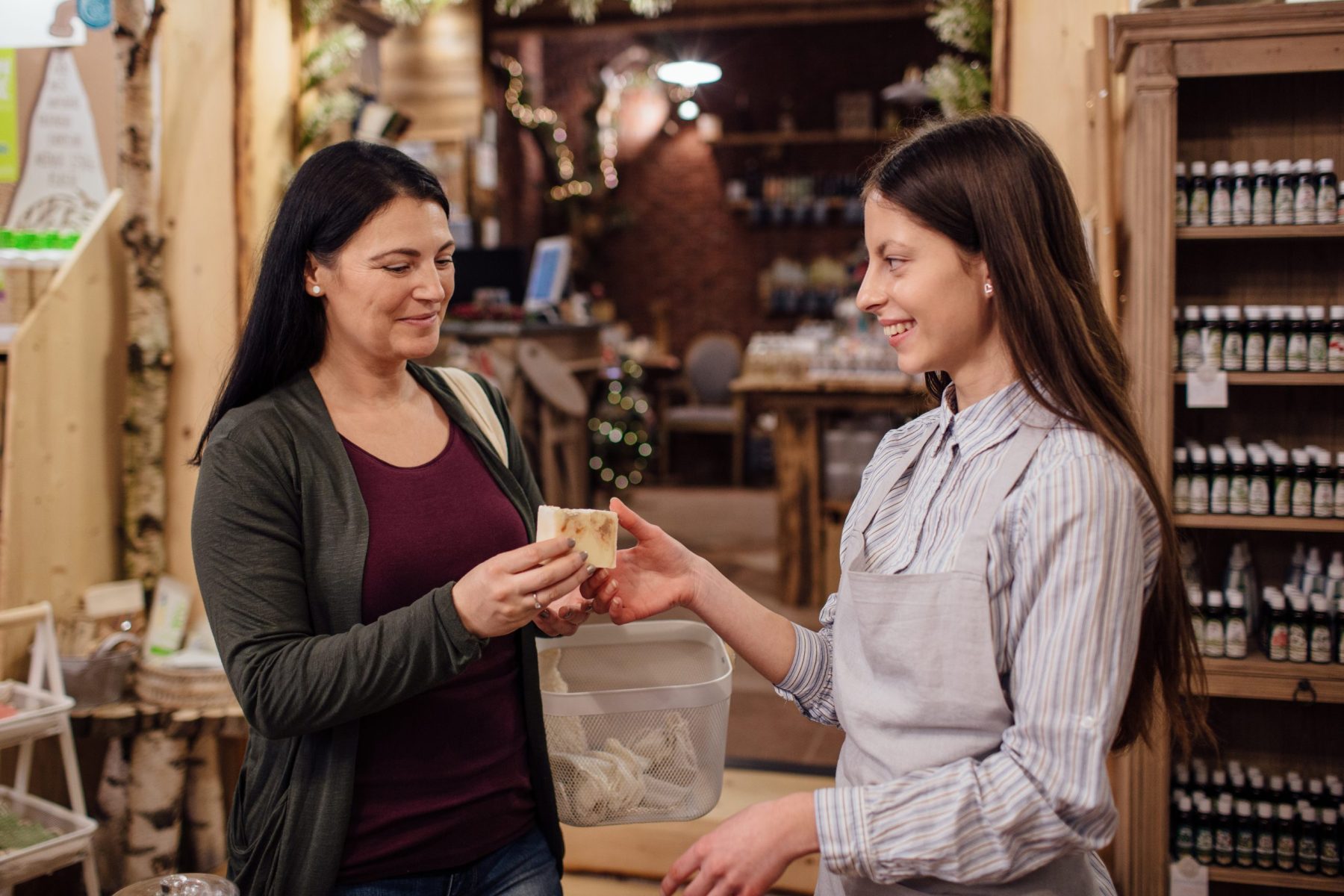
There is a quiet problem within the solid bar category, and most beauty founders only notice it once the first reorder window has passed. The product was sold. The shopper tried it. Then nothing. A second purchase never landed, and the founder is left guessing whether the bar underperformed or the price scared people off.
In our experience on the manufacturing side, the formula is rarely what breaks. Plenty of well-made bars sit in bathrooms right now, used once, never reordered. The gap usually lies elsewhere: in how the brand was built around that bar. So this page works through six elements that move a shopper from a single trial to a habit, and it is written for founders, hospitality buyers, and retail brands deciding how to position a line before the first production run.
A note before we get into it. We make these products for a living; we do not market them for our clients, so treat what follows as a manufacturer’s view of what tends to correlate with reordering, not a guaranteed formula.
Key Takeaways
- Most solid bar churn happens after the first trial, not at the initial purchase, and that gap is usually a branding problem rather than a formula problem.
- Branding consistency influences reorder behavior roughly as much as the bar’s quality does.
- Packaging, scent consistency, and reorder convenience are three of the strongest levers on customer retention.
- Clear, honest positioning reduces the expectation mismatch that drives first-time buyers away.
- Subscription and replenishment systems reduce the friction that keeps an interested shopper from buying again.
Why Customers Stop Reordering Solid Shampoo Bars
Circana’s 2026 research on growing consumer packaged goods brands frames the buyer relationship in three stages: trial, repeat, and long-term loyalty. The trial stage is the first point where a consumer tries a product, and the repeat stage is when they make subsequent purchases. Category data on solid bars shows the trial stage works fine. People are curious. They buy one. The trouble is the bridge to stage two.
Future Market Insights, in its January 2026 Solid Shampoo Bars Market outlook, found that early adoption was concentrated among niche users and that routine use exposed functional limitations that restricted repeat purchases, including inconsistent lather in mineral-rich water and a residual after-feel after rinsing. That tells you something useful. Part of the churn is genuinely about performance under real bathroom conditions. But part of it is about expectations, and expectations are set by branding, not chemistry.
Here is a contrarian point worth sitting with: packaging confusion often shows up in retention data as product dissatisfaction. A buyer whose bar turned to mush on a wet shelf will rate the product poorly, even though storage, not formula, was the real culprit.
Think about what a shopper remembers two weeks after a wash. Not the surfactant blend. They remember whether the bar felt like it belonged to a brand they could find again, trust again, and feel slightly good about buying again. When that memory is blank, the reorder simply does not happen. So the six elements below are the parts of a brand that fill in that blank.
Element 1: A Promise the Bar Can Actually Keep
The first element is positioning honesty. A concentrated shampoo bar should promise exactly what it delivers, no more.
Overpromising is the fastest route to a dead reorder. If packaging implies salon-grade slip and the bar delivers a clean but ordinary wash, the shopper feels quietly misled, and that feeling does not generate a second order. Underpromising wastes a good product. The sweet spot is a claim the formula genuinely supports.
Here, regulation and branding overlap in a way founders sometimes miss. According to the FDA’s guidance on cosmetic and drug classification, the agency does not recognize any category called “cosmeceuticals,” and a product is treated as a drug, a cosmetic, or a combination of both. A bar marketed to cleanse hair sits in cosmetic territory. The moment a copy claims to treat dandruff or repair a scalp condition, it can cross into OTC drug classification, with separate labeling rules. So a brand promise has to be ambitious enough to matter and careful enough to stay legal.
One terminology point matters early. Under the FD&C Act, a product is “soap” in the regulatory sense only when its cleansing action comes from alkali salts of fatty acids, and it is sold solely as soap. Most modern hair bars are syndet bars, built on synthetic detergents, and are not “soap” in that strict sense. Calling them soap on the label is sloppy, and sloppy labeling erodes the trust a reorder depends on.
Element 2: Packaging That Earns a Second Look
Packaging for solid shampoo bars serves two primary functions: protecting the product and reinforcing brand recognition. Both feed repeat buying.
A solid bar has no bottle, which is half its appeal and half its branding challenge. The wrapper, box, or band does the work that a shampoo bottle used to do. It has to survive on a humid bathroom shelf, be easy to reseal or store, and look like something a person would happily display rather than hide.
Practical packaging choices that tend to support reordering:
- A wrapper that names the bar variant clearly, so a happy buyer knows exactly what to search for again
- Reusable or compostable outer material that matches the low-waste reason many shoppers chose a bar in the first place
- A format that protects the puck in transit, since a cracked arrival rarely earns a second order
- Storage guidance is printed somewhere visible, because a bar that dissolves into mush feels like a product failure even when it is a storage failure.
Notice that last point. Many perceived quality problems are really information problems, and packaging is the cheapest place to solve them.
Why Sensory Consistency Drives Repeat Purchases
The third element is sensory consistency, where branding and manufacturing meet most directly.
People reorder things that their hands and nose recognize. A steady scent, a steady lather build, a steady bar shape and weight, these become the brand far more than a logo does. When a shopper unwraps the second bar and it behaves like the first, the brand feels reliable. When it smells slightly different or lathers less, the brand feels unstable, and instability kills loyalty.
This matters because the adoption of solid bars depends more on habit formation than on impulse replenishment. A habit needs a repeatable experience to attach itself to.
Product consistency is partly a sourcing discipline. Surfactant systems built around sodium cocoyl isethionate and selected glucosides deliver denser foam, faster rinse-off, and a cleaner after-feel, and a brand that locks in a formula gets a repeatable in-shower result batch after batch. Drifting between suppliers to shave cost is one of the quieter ways a young line loses its sensory signature.
If you are still mapping how a consistent bar moves from blend to finished unit, our overview of the solid shampoo production process explains where consistency is won or lost.
Element 4: A Story That Stays True Across Touchpoints
Circana’s 2026 loyalty research makes a sharp point about smaller brands. It describes small and medium-sized businesses as differentiated by design, with strengths big brands cannot easily replicate: authenticity, emotional connection, and purpose-driven storytelling. That is the fourth element. A brand identity that holds together.
A brand story is not a paragraph on an About page. It is the through-line a shopper notices across the wrapper, the website, the reorder email, and the way customer questions get answered. When all of those say the same thing in the same voice, the brand feels like a real thing rather than a one-off product. When they contradict each other, the shopper senses it, even without naming it.
Avoid one common trap. Do not lean the whole story on the word “natural.” As the FDA notes in its guidance on organic cosmetics, the term “organic” is not defined under the FD&C Act or the FPLA; the USDA’s National Organic Program defines it and certifies agricultural ingredients. “Natural,” by contrast, is not tightly regulated, and the FTC can step in when a “natural” claim is found to be false or misleading. A story built on a vague, unprovable word is fragile. A story built on something specific, where the bars are made, who makes them, what the brand refuses to do, holds up far better. Brands such as Ethique and HiBAR helped normalize solid-format haircare, in part, by being concrete about what they stood for.
How Replenishment Systems Increase Repeat Orders
The fifth element is the reorder mechanism itself, which founders most often forget to design.
A shopper who loved the bar still has to find it again. If the replenishment flow is unclear, the loyalty never converts into revenue. Circana’s framework tracks trial and repeat rates by channel, brick-and-mortar versus e-commerce, and the practical lesson for a small line is to make the second purchase almost effortless wherever the first one happened.
Friction-reducing tactics worth building in early:
- A subscription or replenishment option timed to roughly how long one bar lasts
- A reorder reminder that arrives before the shopper runs out, not after
- Clear variant naming so a buyer is never guessing which bar they had
- Stable availability, because a product that vanishes from stock teaches buyers not to rely on the brand
Hospitality and retail buyers feel this even more sharply. A hotel that puts a solid bar in every room needs a supply line that does not stutter. If you are weighing a private label conditioner program alongside a shampoo bar, supply reliability should sit near the top of the checklist, because amenity programs live or die on consistent restocking.
Element 6: Proof That Other People Reorder Too
The final element is social proof, and it works because hair products carry real perceived risk.
Switching shampoos feels riskier than switching snacks. The scalp is personal. So shoppers look for evidence that people like them tried the bar and stuck with it. Circana describes consumer surveys as direct feedback from new triers and existing buyers on satisfaction and barriers to repeat purchase. Reviews, testimonials, and visible reorder counts all do that job. They lower the perceived risk of the second purchase.
Customer feedback also feeds back into the product. A brand that reads its reviews honestly will spot the storage complaints, the scent notes, the packaging gripes, and fix them before they cost a year of reorders. Proof is not just a marketing asset; it is a quality signal pointing back at the workshop. Lush built much of its credibility this way, treating the in-store demonstration as proof that the format works.
How the Six Elements Work Together
The table below summarizes how each element maps to the buyer stage it most affects and the reorder risk it reduces.
| Branding Element | Buyer Stage It Supports | Reorder Risk It Reduces |
| Honest positioning | Trial to repeat | Disappointment after the first wash |
| Functional packaging | Repeat | Damage, storage failure, forgotten variant |
| Sensory consistency | Repeat loyalty | Batch-to-batch variation |
| Coherent brand story | Loyalty | Forgettable, generic perception |
| Frictionless reorder path | Repeat | Lost intent, no clear way to rebuy |
| Social proof | Trial to repeat | Perceived risk of switching |
Read down that table, and a pattern shows up. No single element can rescue a weak product, and no strong product can survive a weak brand. They reinforce each other, which is exactly why a piecemeal approach tends to underperform.
Frequently Asked Questions
How to increase the repeat purchase rate?
Lift repeat purchase by closing the gap between what the brand promised and what the bar delivered, then removing every obstacle to buying again. Make sure the first wash meets expectations, name the variant clearly so it is easy to find, and time a reminder or replenishment offer to the point a bar typically runs out. Consistent stock matters too, since a buyer who cannot find the product learns to stop looking. Small frictions, multiplied across a customer base, are usually where the rate quietly leaks.
How do you generate repeat customers?
Repeat customers come from a reliable experience plus an easy second step. The bar has to perform the same way each batch, so a buyer trusts what they are getting. The brand has to be memorable enough that a shopper recalls the name weeks later. And the path back has to be obvious, whether that is a subscription, a retail placement, or a reorder email. In our experience, brands that treat the first sale as the start of a relationship, rather than the finish line, build a repeat base far faster.
What can help create brand loyalty by making a product stand out from the competition?
A specific, provable point of difference is what separates a memorable bar from a generic one. Vague claims blur together; concrete ones stick. That difference might be a signature scent, a manufacturing standard, a refusal to use a certain ingredient, or a transparent account of where and how the bars are made. Pair that distinct identity with steady quality and a coherent story across every touchpoint, and a shopper has a reason to choose your bar again rather than defaulting to whatever sits beside it on the shelf.
What is repeat purchase intention?
Repeat purchase intention is the measurable likelihood that a customer plans to buy from the same brand again. It sits between a single completed sale and settled long-term loyalty, and it is shaped by satisfaction with the first purchase, trust in the brand, and how easy the next purchase looks. For a solid bar line, strong intention usually signals that the product met expectations and the branding gave the buyer a clear reason to return. It is a useful early indicator, often visible in surveys before reorder revenue actually shows up.
Talk to MidSolid About Your Next Bar Line
Branding earns the reorder, but a consistent bar is what makes the branding believable. If you are building or refining a solid bar line, our team can help you lock in the formula, format, and finish that keep buyers coming back. Explore our solid shampoo bar manufacturing options, look into how we approach low-waste bar formats, or reach out for a production quote, and we will walk you through it.