


Solid Shampoo and Conditioner
10 Mistakes People Make With Solid Shampoo Bars (Plus Simple Fixes)
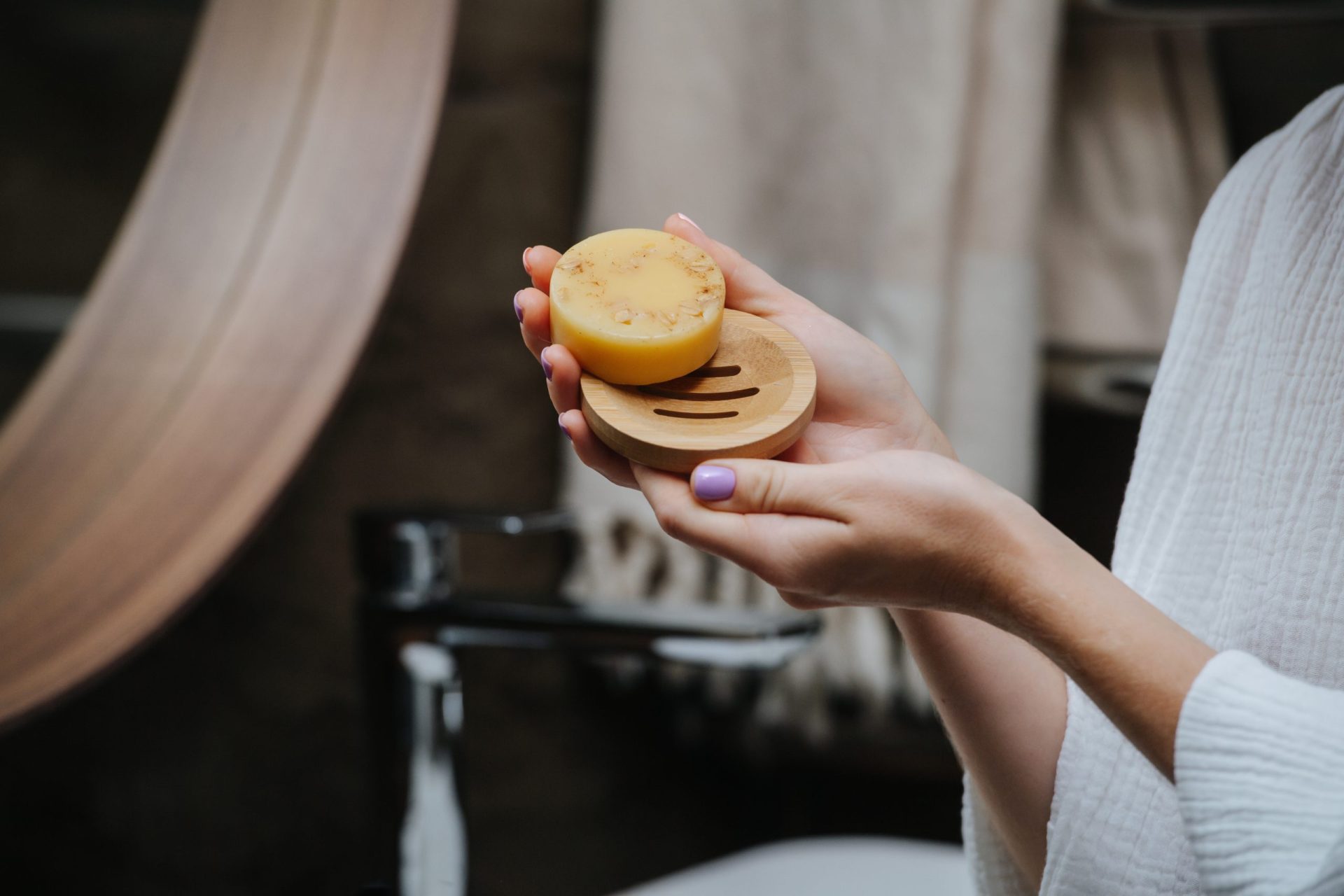
Switching from a liquid shampoo to a concentrated solid version throws off most people’s routine. The format is unfamiliar. The lather behaves differently. And the results, at least initially, can feel like a step backward rather than forward.
Here is the thing, though. Most of the frustration comes down to technique, not the product itself. In our experience working with solid shampoo manufacturing partners and indie brands, the same handful of errors keep showing up. Once you learn how to avoid them, a well-formulated bar can match or outperform its bottled counterpart.
Below, we walk through the most common missteps and straightforward corrections to get your hair back on track.
Rubbing the Product Directly on Dry Strands
Most people simply rub the bar across their wet hair and hope for the best. That approach deposits too much concentrated product in one spot while leaving other areas untouched. Wet your hair thoroughly first, then either lather the bar between your palms or glide it across your scalp in three to four short passes. You should focus on roots and let the suds travel downward during rinsing. There is no need to scrub the lengths.
Using Too Much Product Per Wash
Because these bars contain no added water, they are far more concentrated than anything in a bottle. A little really does go a long way. Two or three circular swipes across the scalp are plenty for most people. If you pile on more, you risk leaving behind a film that makes strands feel heavy and coated. Start small, add a second pass only if needed, and rinse longer than you think is necessary.
Poor Storage That Dissolves the Bar Too Quickly
Leaving your bar sitting in a puddle on the shower ledge is perhaps the fastest way to waste it. Standing water softens the surface, encourages bacterial growth, and can cut the product’s lifespan in half.
Keep the bar dry between washes by storing it on a draining dish, a wire rack, or a soap saver bag positioned away from direct spray. Good airflow lets it harden again before the next use. Proper storage can extend a single bar through 60 to 80 washes, roughly equivalent to two or three plastic bottles of liquid shampoo.
Not Rinsing Long Enough
Incomplete rinsing is probably the number one reason your hair may feel greasy after switching formats. Solid formulas bind to oil and build up as they cleanse, but if you cut the rinse short, loosened residue redeposits on strands.
Aim for 30 to 60 seconds of thorough rinsing under warm water, especially around the crown and nape. Finish with a cool rinse to close the cuticle. This single adjustment solves a surprising number of common issues people blame on the product itself.
Choosing a Formula That Doesn’t Match Your Hair Type
Not every bar suits every head of hair. Choosing the wrong one is like grabbing a random bottle off the shelf without reading the label.
- Fine or oily strands do best with lightweight, clarifying formulas that avoid heavy butter.s
- Thick, coarse, or curly textures benefit from bars containing richer oils, such as argan or mango butter.
- Color-treated hair needs a sulfate-free option to preserve vibrancy
- Sensitive scalps should look for fragrance-free bars with minimal essential oil content
If you are unsure where to start, reach out to the brand or consult a stylist who can point you toward the right formulation. A contract manufacturer like MidSolid Press & Pour can also help brands develop custom shampoo formulations tailored to specific customer profiles.
Ignoring the Transition Period
When you move away from conventional bottled products, your scalp needs time to recalibrate. Commercial formulas often strip sebum aggressively, causing oil production to ramp up as a defense mechanism. Remove that stripping agent, and the overproduction continues out of habit for a few washes.
During this window, strands may feel oily at the roots and dry at the ends. That is normal. Give yourself at least two to three weeks of consistent use before deciding the product is not working. Washing twice per session during this phase, once to remove buildup and once to truly cleanse, can speed up the adjustment.
Hard Water Buildup and How to Manage It
Mineral-rich water affects roughly 85 percent of U.S. households and reacts with certain bar ingredients, leaving a stubborn film. If you notice a waxy or dull coating after every wash, hard water is likely the culprit.
Several strategies can help:
- Install an inexpensive shower head filter to reduce calcium and magnesium
- Use a diluted apple cider vinegar rinse (one tablespoon per cup of water) once a week to dissolve mineral deposits
- Choose a syndet-based bar rather than a traditional soap-based one, since syndet formulations rinse cleaner in mineral-heavy water.
- Consider a monthly chelating treatment if you live in an area with very high mineral content.t
Confusing a Syndet Bar With Traditional Bar Soap
This is a word of caution that most guides skip. A true soap and a syndet cleansing bar are not the same thing, even though they look identical on a shelf. Traditional soap is made through saponification and has a higher pH, which can rough up the hair cuticle. Syndet bars use gentler surfactants that sit closer to the scalp’s natural pH.
If your experience with solid cleansers has been nothing but tangles, residue, and frustration, you may have been using bar soap rather than a properly formulated hair-care product. Check the ingredient list: if you see “sodium palmate” or “sodium cocoate” listed first, it is a soap. Surfactants like sodium coco sulfate or sodium cocoyl isethionate indicate a syndet.
Skipping a Conditioner After Cleansing
A cleansing bar does an excellent job removing oil and buildup, but it does not replace the detangling, smoothing, and hydrating step that a conditioner provides. Skipping that step leaves cuticles raised and strands tangled, especially on longer hair.
Apply a solid conditioner from the mid-lengths down, avoiding the roots. Let it sit for a minute or two, then rinse thoroughly. For an eco-friendly bath routine, pairing a cleansing and conditioning bar eliminates the need for two plastic bottles.
Expecting Instant Results From Every Formula
Patience matters. Some formulas need five or six uses before you see the full effect. Switching between products too quickly never gives your scalp a fair chance to respond. Commit to one bar for at least a month before moving on.
| Mistake | Symptom | Quick Fix |
| Applying to dry strands | Uneven lather, residue patches | Lather in palms first, apply to soaked roots |
| Using too much product | Greasy mess, flat roots | Limit to 2-3 swipes per session |
| Wet storage | Mushy, fast-dissolving bar | Use a draining dish away from the spray |
| Short rinsing | Waxy, coated feeling | Rinse 30-60 seconds, finish cool |
| Wrong formula for hair type | Persistent dryness or oiliness | Match ingredients to your specific needs |
| Skipping transition period | Oily roots, dry ends | Allow 2-3 weeks for scalp adjustment |
| Hard water reaction | Dull, filmy buildup | Filter, ACV rinse, or choose a syndet option |
| Confusing soap with syndet | Tangles, rough texture | Read ingredient labels carefully |
| No conditioner | Tangled, raised cuticles | Condition mid-lengths and ends after every wash |
| Giving up too early | Inconsistent results | Commit to one formula for a full month |
Frequently Asked Questions
What are the downsides of shampoo bars?
The biggest drawbacks tend to center on the learning curve rather than the product itself. Solid formulas demand proper technique, adequate rinsing, and correct storage. People living in areas with hard water may notice residue that requires periodic clarifying rinses. Certain hair textures respond better to specific surfactant types, so finding the right match sometimes takes trial and error. Travel-friendly and eco-conscious, these bars still need a brief adjustment period, and not every brand formulates at a scalp-friendly pH, which can leave strands rough if you pick the wrong option.
What shampoo is good for hair loss from lupus?
Lupus-related thinning is an autoimmune concern that falls outside the scope of any single eco-friendly cleanser. The Lupus Foundation of America recommends using very gentle, fragrance-free products, including baby-grade formulas, to avoid aggravating an already sensitive scalp. Some dermatologists suggest pairing mild cleansing with topical minoxidil under medical supervision. Biotin-enriched and ketoconazole-based options also appear in clinical discussions. Before selecting any product, consult a rheumatologist or dermatologist who can review your medications and recommend a plan tailored to your specific condition and treatment protocol.
How to properly use a shampoo bar?
Begin by soaking strands completely under warm running water. Glide the bar across your scalp using short, circular motions, or lather it between your palms and then distribute the foam with your fingertips. Concentrate on the roots where oil collects; the suds will clean the lengths as they rinse out. Spend at least 30 seconds on a thorough rinse. Follow with a natural conditioner from mid-lengths to tips, leave it in for a brief time, and rinse again with cool water. Afterward, store the bar on a well-ventilated dish so it dries fully before your next wash.
Ready to Build Your Own Solid Hair Care Collection?
Whether you are an indie beauty brand planning your first product line or an established retailer expanding into sustainable bar manufacturing, MidSolid Press & Pour offers the formulation expertise and production capacity to bring your vision to life. From syndet cleanser bars to conditioning treatments, our team works with you at every stage, from concept through finished product.
Get in touch to request a consultation or quote and learn how a custom-formulated bar can set your brand apart.