


Solid Shampoo and Conditioner
10 Packaging Formats for Private Label Solid Hair Care Products
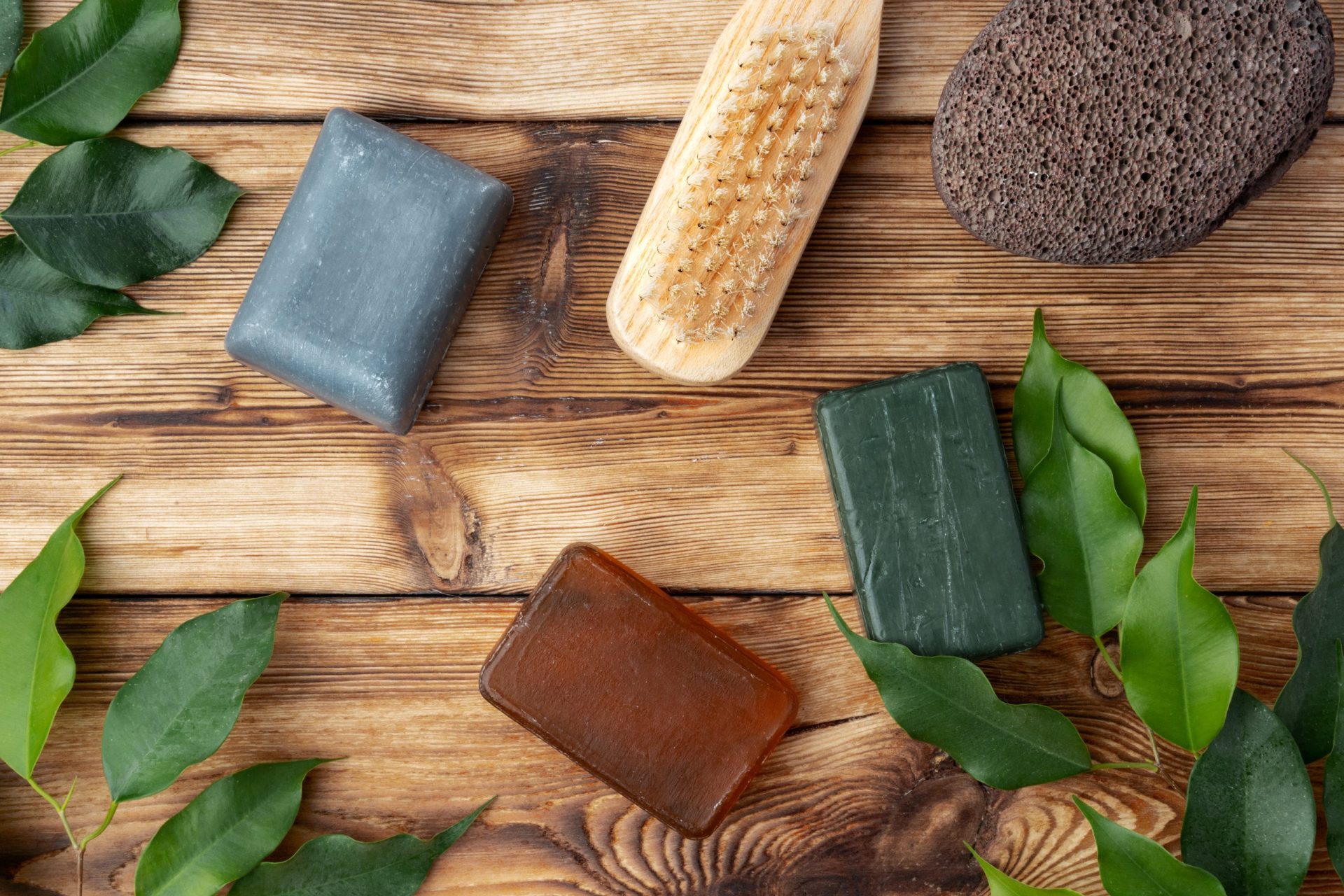
When a customer picks up a solid bar for the first time, the container tells them everything they need to know. Is this a premium product? Is it eco-friendly? Is the brand trustworthy? The answers live in the materials, shape, and labeling of whatever holds that bar.
For private-label brands, especially those entering the space, getting this right is not optional. Hair-care packaging is doing the selling before anyone lathers up. And here’s the thing most people overlook: the right choice also affects your unit costs, your shipping weight and dimensions, and even your regulatory compliance.
Let’s walk through 10 formats that work well for solid bars, including shampoo, conditioner, and syndet cleansing bars. Each comes with trade-offs, and we’ll cover those honestly.
Kraft Paperboard Boxes
What They Are
These are the familiar brown or white tuck-end boxes made from recycled or virgin paperboard. They fold flat for storage, accept custom printing easily, and biodegrade in commercial compost facilities.
When to Choose Them
Kraft boxes make sense when your brand story centers on sustainability and approachable pricing. They’re lightweight, which keeps shipping costs down, and they present well on retail shelves and in subscription boxes alike.
- Low per-unit cost at scale (often under $0.50 for standard sizes)
- Available in SBS, kraft, or coated paperboard
- Accept water-based inks, foil stamping, embossing, and spot UV
- Fully recyclable and often compostable, depending on coatings
The main limitation? Kraft boxes offer no moisture barrier unless you add a liner or inner wrap. If your bar contains volatile essential oils, you may lose fragrance potency during extended storage.
Aluminum Tins
A Reusable Classic
Tins have been a go-to for solid personal care products for years, and for good reason. They protect bars from humidity, light, and physical damage during transit. Consumers also tend to keep them, which extends your brand visibility well beyond the first purchase.
Practical Considerations
- Reusable and infinitely recyclable
- Ideal for travel-sized bars and hotel amenity sets
- Available in round, square, or rectangular profiles
- Slightly higher unit price ($0.80 to $2.50, depending on size and finish)
One note from our experience on the production floor: tins add meaningful weight per unit. If you’re selling through e-commerce channels where dimensional weight pricing applies, factor that into your margin calculations. Tins also require careful sizing to prevent the bar from rattling or sweating inside.
Compostable Film Wraps
The Minimal-Waste Choice
Compostable wraps made from cellulose, PLA (polylactic acid), or other plant-derived films are growing fast in the solid bar category. They use less material than boxes, conform tightly to the bar shape, and carry strong environmental messaging.
Pros and Caveats
- Certified home-compostable options are available (look for TUV Austria OK compost HOME or BPI certification)
- Excellent for brands positioned as zero-waste or plastic-free
- Low material cost per unit
- Limited printing area compared to boxes
The catch with compostable films is shelf life. In humid climates, some wraps can begin to break down prematurely if storage conditions are not controlled. Always test your wrap material with a stability study before committing to a full production run.
Recycled Cardboard Sleeves
A Minimal Footprint Approach
Sleeves wrap around the bar like a belly band, leaving the top and bottom exposed. This gives the consumer a tactile experience, letting them feel and smell the product before buying. It’s a smart format for farmers’ markets, boutique retailers, and brands that want a handcrafted aesthetic.
- Low material usage per unit
- Simple to print and assemble
- Encourages impulse purchases through sensory engagement
- Pairs well with a secondary display tray for retail
Keep in mind that sleeves offer almost zero protection against moisture or physical impact. They work best for bars with a firm, press-formed structure that won’t deform easily on the shelf.
Molded Pulp Trays
Structural and Sustainable
Molded pulp packaging is made by pressing wet paper fibers into custom molds. The result is a sturdy tray or clamshell that cradles the bar snugly. Think of how eggs are packaged, but refined for the beauty shelf.
Why Brands Are Adopting This
- Made from post-consumer recycled paper or agricultural waste fibers
- Provides excellent cushioning during shipping
- Fully biodegradable and compostable
- Customizable shapes that reinforce brand identity
Molded pulp trays do require custom tooling, which adds upfront cost. Tooling fees typically range from $2,000 to $8,000, depending on complexity. For brands planning long production runs, that investment pays off. For smaller launches, it might be hard to justify.
Wax-Coated Paper Wraps
Old-School Charm
Wax paper wraps are simple, affordable, and effective at providing a basic moisture barrier. Artisan soap makers and small-batch producers commonly use them, though they scale well, too.
- Provide a light, moisture barrier
- Accept custom printing or stamped branding
- Cost-effective for lower-volume runs
- Give the product a handmade, approachable feel
The downside is that wax-coated papers are not always recyclable or compostable, depending on the type of wax used. Soy-based or beeswax coatings tend to be more eco-friendly than paraffin alternatives. If sustainability claims are central to your brand, verify your wax source carefully
Rigid Setup Boxes
The Premium Presentation
Rigid boxes, sometimes called setup boxes or luxury boxes, are the heavyweight option. They don’t fold flat, they’re built from thick chipboard wrapped in printed paper or fabric, and they communicate one thing immediately: this is a premium product.
Where They Fit
- Gift sets and limited-edition collections
- High-end retail and department store placement
- Subscription box inserts where unboxing experience matters
- Excellent for bundling multiple bars with accessories like travel tins or soap dishes
Per-unit cost is substantially higher, often $3.00 to $10.00 or more, depending on finishing. That price makes rigid boxes impractical for everyday bars, but perfect for special releases or holiday bundles where the perceived value of the total package justifies the cost.
Seed Paper Bands and Tags
Packaging That Grows
Seed paper is embedded with wildflower or herb seeds. After the customer removes the band or tag, they can plant it and watch it sprout. It’s a memorable touch that generates social media content and reinforces a sustainability-first brand narrative.
- Highly shareable and photogenic
- Works as a secondary element paired with another primary format
- Biodegradable by definition
- Unique selling point for eco-conscious consumers
Seed paper is not a standalone packaging solution. It functions best as a band, tag, or insert layered with a box, wrap, or sleeve. Printing options are limited due to the paper’s texture and thickness, so plan your artwork accordingly.
Reusable Silicone or Bamboo Cases
Built for Repeat Use
A growing number of brands now offer solid bars inside reusable travel cases made from silicone, bamboo, or other durable materials. Consumers appreciate the practicality, especially frequent travelers who want a TSA-friendly alternative to liquid bottles.
- Creates an ongoing relationship between the consumer and your brand
- Justifies a higher retail price point
- Reduces long-term waste per unit
- Suitable for refill programs
The cost per case can run from $1.50 for basic silicone to $5.00 or more for bamboo with custom engraving. These cases work well as launch accessories or loyalty rewards rather than standard-issue packaging for every SKU.
Shrink Bands and Tamper-Evident Seals
A Practical Add-On
Shrink bands aren’t a full packaging format on their own, but they deserve a place in this list because they solve a specific problem: consumer trust. A sealed bar tells the buyer it hasn’t been opened, tested, or tampered with. For retail and hospitality channels, this matters.
- Low cost per unit
- Clear or printed varieties available
- Often required by retail buyers for shelf placement
- Can be combined with any other format on this list
If your bars are sold in open-air retail environments, adding a shrink band to your chosen primary format is a small investment that protects both your reputation and the consumer’s confidence.
How to Match a Format to Your Brand and Channel
Choosing well means thinking beyond what looks good on Instagram. Here’s a quick reference for matching packaging types to common sales channels:
| Packaging Format | Best Sales Channel | Eco Rating | Relative Cost | Moisture Protection |
| Kraft paperboard box | Retail, e-commerce, subscription | High | Low | Low to moderate |
| Aluminum tin | Travel retail, hospitality, DTC | High (recyclable) | Medium | High |
| Compostable film wrap | E-commerce, zero-waste stores | Very high | Low | Moderate |
| Recycled cardboard sleeve | Farmers’ markets, boutiques | High | Very low | None |
| Molded pulp tray | Premium retail, gift sets | Very high | Medium to high | Moderate |
| Wax-coated paper wrap | Artisan retail, small batch DTC | Moderate | Low | Low to moderate |
| Rigid setup box | Department stores, gift market | Moderate | High | High |
| Seed paper band/tag | Eco-boutiques, brand launches | Very high | Low (as an add-on) | None |
| Reusable case (silicone/bamboo) | Travel, refill programs | Very high | High | High |
| Shrink band/tamper seal | All retail channels | Low | Very low | None (seal only) |
What the FDA and FTC Expect on Your Label
No matter which format you select, your label must comply with federal requirements. The FDA regulates cosmetic labeling under the Federal Food, Drug, and Cosmetic (FD&C) Act and the Fair Packaging and Labeling (FP&L) Act. Under these rules, every bar sold at retail needs:
- Product identity statement on the principal display panel
- Net weight declaration
- Ingredient list using INCI nomenclature, in descending order of predominance
- Name and address of the manufacturer, packer, or distributor
- Any required warnings
The Modernization of Cosmetics Regulation Act (MoCRA), signed into law in December 2022, significantly expanded the FDA’s authority. Since July 2024, facilities that manufacture or process cosmetics for U.S. distribution must register with the FDA and list their products through the Cosmetics Direct portal.
Additionally, the FTC monitors advertising and label claims. If your solid conditioner bar label says “organic,” those agricultural ingredients must carry USDA National Organic Program (NOP) certification. Calling something “natural” is less regulated but still subject to FTC scrutiny if the claim is misleading.
Label Fit and Readability
Smaller packaging formats like tins and sleeves create real challenges for fitting all mandatory information legibly. FDA requires that label text meet minimum type-size standards based on the area of the principal display panel. A bar weighing under 1 oz, for example, still needs all required disclosures, which can get cramped on a 2-inch tin lid. Plan your artwork with compliance in mind from the start, not as an afterthought.
Sustainability Claims: Get Them Right
Greenwashing is a real risk, and both consumers and regulators are paying closer attention. Before printing “100% compostable” or “plastic-free” on your packaging, confirm:
- That the claim applies to all components (not just the box while the inner liner is plastic.
- That any compostability certification is current and from a recognized body
- That recyclability claims reflect what municipal programs actually accept, not just what’s theoretically recyclable
In our experience, brands that are transparent about what their packaging can and cannot do earn more trust than those making sweeping claims. A simple, honest statement, “Box is curbside recyclable; inner wrap is industrially compostable,” goes further than vague language.
Budgeting for Your First Run
Cost Factors Beyond the Unit Price
The sticker price per box or tin is just the starting point. Factor in:
- Tooling and die-cutting fees for custom shapes
- Minimum order quantities from your packaging supplier
- Freight costs, especially for heavy formats like tins or rigid boxes
- Storage requirements (flat-pack boxes take less warehouse space than pre-assembled tins)
- Assembly labor if your format requires hand-packing or insert placement
For brands working with a contract manufacturer like MidSolid Press & Pour, it’s worth asking whether your production partner can source and apply packaging as part of the fulfillment process. Bundling these steps can reduce handling costs and lead times.
How Much Does It Actually Cost to Launch?
Startup costs for a solid hair care line vary widely. Industry data suggests that private-label brands can expect to earn between $private-label,000, depending on the number of SKUs, order volume, and the level of custom formulation involved. Packaging typically accounts for 15% to 25% of the total per-unit landed cost for solid bars. At higher volumes, that percentage drops as you gain buying power with suppliers.
Frequently Asked Questions
What products are good for private labeling?
Solid personal care bars are among the strongest candidates for private-label business. Shampoo bars, conditioning bars, syndet cleansing bars, and shave bars all ship easily, have long shelf lives, and appeal to sustainability-minded buyers. Beyond bars, serums, oils, and balms, branded items also perform well because consumers associate them with occasions when they’re willing to pay a premium. The key is choosing a category where you can differentiate through formulation, fragrance, or brand positioning rather than competing solely on price.
What is the most eco-friendly packaging for cosmetics?
Molded pulp made from post-consumer recycled fibers or agricultural waste ranks among the most sustainable choices currently available. It biodegrades fully, requires no petroleum-based materials, and can be shaped to fit almost any bar geometry. Compostable cellulose wraps also score well, especially when certified by organizations like BPI or TUV Austria. The “most eco-friendly” answer, though, depends on your full supply chain. A locally sourced kraft box with soy ink may have a lower total carbon footprint than a compostable film shipped from overseas, so consider the complete lifecycle before deciding.
What is the correct packaging for cosmetics?
Under U.S. law, any packaging used for cosmetics must meet FDA labeling standards outlined in the FD&C Act and the Fair Packaging and Labeling Act. This includes a clear product identity, net weight, full ingredient list in INCI format, and the responsible party’s contact information. Since MoCRA took effect, labels must also display contact details for reporting adverse events. Beyond legal requirements, reporting adverse events protects the product from contamination and degradation while accurately representing what’s inside. Misleading or incomplete labeling can result in the product being classified as misbranded.
How much does it cost to start your own hair product line?
Costs range from as little as $2,000 for a lean startup using white-label formulas and stock packaging, up to $50,000 or more for brands investing in custom formulation, branded containers, and larger initial inventory. Solid bar lines tend to sit on the lower end of that spectrum because bars require less complex filling equipment and simpler packaging than liquid products. Partnering with a contract manufacturer significantly reduces capital outlay by avoiding the need to invest in production equipment, facility buildout, and raw material procurement.
Ready to Build Your Solid Hair Care Line?
Picking the right packaging is just one piece of the puzzle, but it’s the piece your customers see first. Whether you’re drawn to kraft boxes for their simplicity or rigid setups for a luxury feel, the best choice is the one that fits your brand story, your budget, and your distribution channels all at once.
MidSolid Press & Pour works with indie brands, established retailers, and hospitality companies to produce solid conditioner bars, shampoo bars, and specialty cleansing bars at scale. If you’re ready to talk through formats, formulations, or production timelines, reach out to our team and let’s figure out the right path together.