


Solid Shampoo and Conditioner
What’s Next for Private Label Hair Care? Our Predictions for the Road Ahead
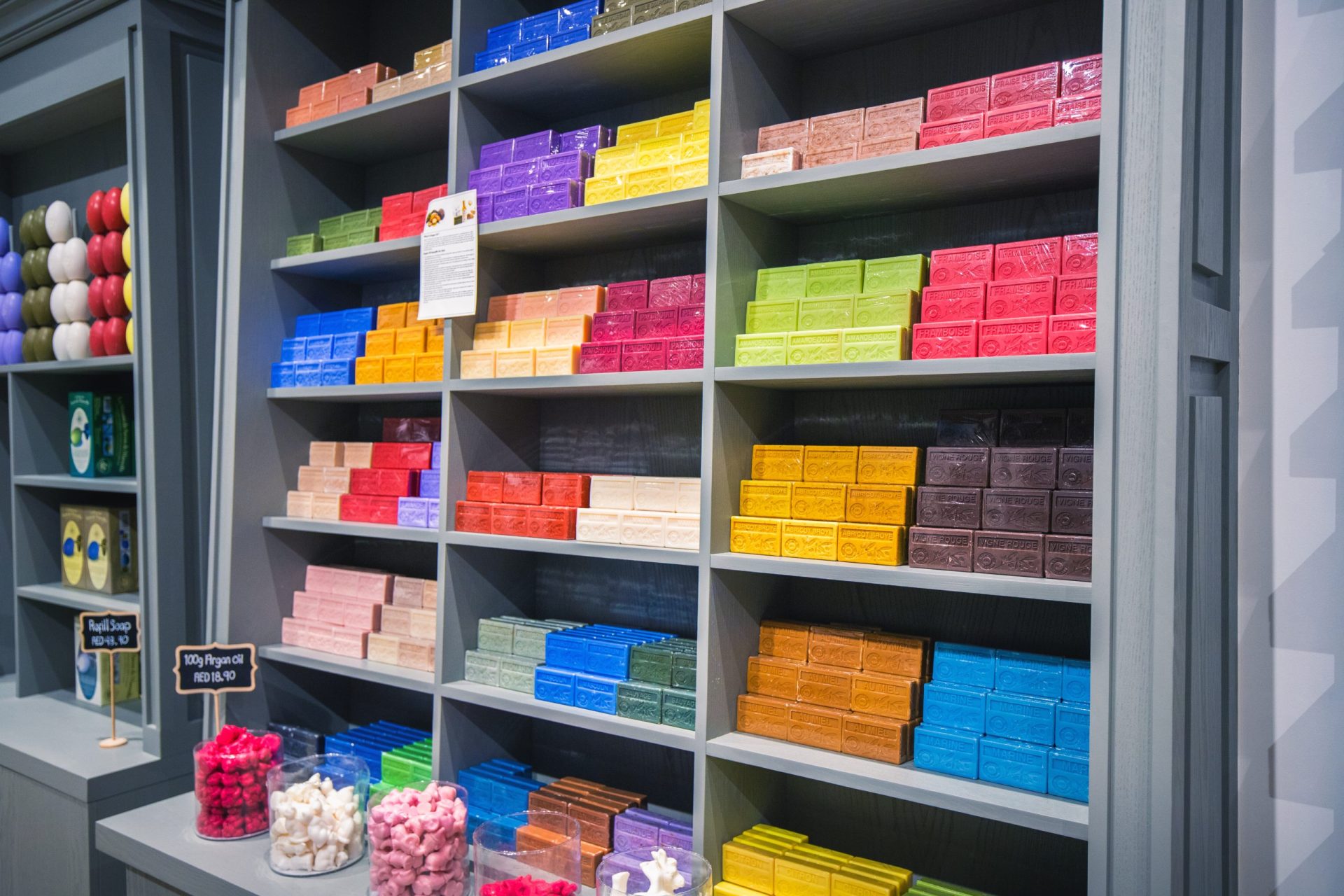
The private label segment of the hair care world is on a completely different trajectory than it was even two years ago. Regulatory changes, new consumer expectations, and rapid ingredient innovation have created something that looks less like a slow evolution and more like a full reset. For brand owners, retailers, and contract manufacturers, the implications are significant.
Here’s where the sector is heading and what it means if you’re building or growing a product line.
Clean Formulations Will Become the Entry Point, Not the Differentiator
For years, “clean” was a selling point. Sulfate-free, paraben-free, silicone-free; brands could charge a premium for those claims. That era is closing. Consumers now treat clean formulations as a baseline expectation, much like they’d expect a restaurant to pass a health inspection. In our experience, the labels that catch a buyer’s eye today aren’t about what’s missing but about what’s present and why it works.
What This Means for Manufacturing
Contract manufacturers who can formulate with naturally-derived surfactants, plant-based conditioning agents, and biodegradable ingredients are the ones winning new accounts. If you’re looking into solid shampoo bars or conditioning bars, the demand for waterless, concentrated formats has never been higher.
- Sulfate-free cleansers are now expected across mass and premium categories
- Ingredient transparency matters more than vague “natural” claims
- Buyers increasingly request third-party testing documentation
- Concentrated formats like bars and tabs reduce packaging waste
- Brands that can explain their ingredient story win shelf space
Scalp Health Will Drive Product Development Cycles
Perhaps the single biggest force reshaping formulations right now is the “skinification” of the scalp. Consumers who once evaluated shampoo by how it made their hair feel now want to know what it does for their scalp microbiome. This isn’t a fad. Scalp care is backed by dermatological research linking follicle vitality to microbial balance, and the data support it. Hair growth serums, for instance, saw over 300% year-over-year growth in each volume in recent tracking.
- Probiotic and prebiotic ingredients are appearing in more formulation briefs.
- Scalp scrubs and exfoliating treatments are moving from salon-only to retail
- Products targeting sebum regulation without stripping natural oils are in demand.d
- Fermented actives derived from rice and kombucha are gaining traction
- Microbiome-centered formulas represent the next frontier
The Head Spa Influence
Salon “head spa” experiences, which combine scalp massage, detox treatments, and aromatherapy, are raising consumer expectations. Brands that can translate this ritualistic experience into at-home products will find a receptive audience.
Regulatory Compliance Is Reshaping Who Can Compete
The Modernization of Cosmetics Regulation Act (MoCRA), signed into law in December 2022, represents the most substantial expansion of FDA authority over cosmetics since 1938. Facility registration and product listing requirements are now being enforced. Adverse event reporting mandates are active. Good Manufacturing Practice (GMP) rules are still being finalized, with the proposed rule timeline pushed to 2026.
For private label brands, this isn’t just paperwork. MoCRA raises the cost floor for doing business. Brands without established relationships with compliant care manufacturers may struggle with safety substantiation, proper labeling, and the documentation trail that federal oversight demands.
- Facility registration with the FDA is mandatory for all cosmetic manufacturing.
- Adverse event reporting requires 15 days’ notice to the FDA for serious events.
- Responsible persons must ensure product labels display the required contact information.
- GMP final rules are expected to mirror food and drug manufacturing standards
- Small businesses are not exempt from registration obligations
AI Will Transform Both Formulation and Consumer Engagement
Artificial intelligence isn’t just a buzzword for this industry anymore. On the formulation side, machine learning is being used to predict ingredient interactions, thereby compressing R&D timelines that previously took years into months. On the consumer-facing side, AI-powered diagnostics and virtual try-on tools are reshaping how people find and buy products online.
What does this mean for brands working with a private label manufacturer? It means your partner’s R&D capabilities matter more than ever. Custom formulation guided by data, not guesswork, will be a competitive advantage.
- AI-driven personalization platforms are becoming mainstream for direct-to-consumer brands.s
- Virtual hair consultations help consumers identify their specific needs before purchasing
- Machine learning in R&D accelerates ingredient optimization
- Chatbot-powered shopping experiences are growing in influence
- Brands that invest in data-informed product development will stand apart
Sustainability Will Be Measured, Not Marketed
Greenwashing is increasingly risky, both legally and reputationally. The cosmetics sector is moving toward what some analysts call “proof-based sustainability,” where lifecycle accountability and material traceability replace vague eco-friendly messaging. For private-label care products, this translates into real choices about packaging, sourcing, and production methods.
Packaging Pressure
Solid formats, such as extruded bars, are inherently lower-waste than their liquid counterparts. Beyond format, though, brands are being asked about post-consumer recycled content, refill programs, and carbon footprint per unit shipped.
- Biodegradable packaging is moving from niche to expected
- Refillable and concentrated product formats reduce supply chain waste
- Lifecycle assessments are becoming part of buyer due diligence
- EU regulations on packaging waste are influencing global brand strategies
- Claims require substantiation; vague “eco-friendly” language invites scrutiny
Personalization Will Move Beyond Niche
The days of one-size-fits-all shampoo and conditioner are fading. Consumers, particularly Gen Z and Millennials, want products tailored to their specific hair type, porosity level, and environmental conditions. Hair porosity awareness, for instance, is growing rapidly. Low-porosity and high-porosity formulations require fundamentally different approaches to moisture retention.
- Modular “booster” systems (growth, shine, moisture) are gaining popularity
- Hair porosity-specific formulations represent an untapped white-label opportunity
- Regional climate considerations influence ingredient selection
- Textured and curly products continue to be an underserved segment
- Personalized regimens outperform single-product offerings in customer retention
Anti-Aging and Hair Loss Prevention Will Accelerate
The global hair loss treatment market is on track to reach $13.6 billion by 2028. Minoxidil, once the domain of a single brand, is now available from multiple manufacturers following patent expiration. But the real growth is in prevention. Millennials, already comfortable with preventive skincare, are applying the same logic to their hair. Products that target graying, thinning, and texture changes before they become visible represent a massive opportunity for brands.
- Minoxidil-containing products are entering mainstream retail channels
- Peptide-based hair growth serums are seeing triple-digit search growth
- Red light therapy devices for at-home use are creating a new accessory category
- Anti-aging formulations for hair mirror established skincare prevention routines
- Bond-repair technologies remain a strong growth driver
The Market Is Growing, and the Numbers Back It Up
The broader hair care sector is expanding steadily, and private label products are capturing an increasing share. Here’s a snapshot of current market projections from leading research firms:
| Metric | Value |
| Global hair care market size (2026 est.) | $87 billion to $122 billion, depending on scope |
| Projected CAGR through 2031-2034 | 3.8% to 7.5%, depending on segment |
| Fastest-growing region | Asia-Pacific |
| Fastest-growing distribution channel | Online retail (6.5%+ CAGR) |
| Fastest-growing product segment | Styling products and bond-repair lines |
| Natural/organic ingredient CAGR | ~6% through 2031 |
| Professional products market (2026 est.) | $24.5 billion |
These figures underscore a central point: this is not a saturated industry. It’s an expanding one, with plenty of room for new entrants, especially those who bring differentiated formulations and authentic brand stories.
Private Label Versus White Label: The Distinction Matters More Now
As the market matures, buyers are becoming more sophisticated about what they’re actually purchasing. Private label means a custom formulation developed exclusively for one brand. White-label means a pre-made product that is rebranded. Both models have their place, but the trend is clearly toward custom. Brand owners want products that can’t be found under a competitor’s logo on the next shelf over.
- Custom formulation creates a defensible product position
- White label still works for speed-to-market and budget-conscious launches
- Intellectual property in formulations is becoming a competitive moat
- Buyers increasingly ask for exclusivity clauses in manufacturing agreements
- The brands seeing the strongest loyalty are those with unique, proprietary formulas
Why This Prediction Matters
If you’re a brand owner evaluating a partnership with a conditioner manufacturer or a shampoo producer, ask about their custom formulation capabilities. The ability to create something genuinely yours is worth the investment.
Solid and Waterless Formats Will Continue Gaining Ground
Solid bars, whether for shampoo, conditioner, or shaving, aren’t just a sustainability play. They’re a logistics play. Lighter to ship. Easier to store. Longer-lasting per unit. For hospitality brands evaluating guest amenity options, solid formats make even more practical sense when you factor in reduced breakage and lower per-room costs.
- Concentrated bars deliver more washes per gram than liquid equivalents
- TSA-friendly sizing appeals to the travel market
- Waterless formulations reduce manufacturing water use
- Solid conditioner and shampoo bars appeal to eco-conscious consumers
- Hospitality companies are replacing single-use bottles with bar alternatives
Frequently Asked Questions
What are the top hair growth products gaining attention right now?
Peptide-based serums and minoxidil formulations lead the current wave of interest. Red light therapy caps, once limited to clinical settings, are now sold directly to consumers for home use. Scalp serums with caffeine and plant actives are also popular, driven by social media visibility and growing awareness of follicle stimulation methods. Rosemary oil has emerged as a trending ingredient, with consumers citing both traditional use and newer studies suggesting it may support healthy growth cycles. The key difference today is that buyers expect clinical backing, not just marketing promises.
What is the hair care trend consumers are following most in 2026?
Scalp-first routines dominate consumer behavior this year. The idea that healthy strands begin with a healthy scalp ecosystem has moved from professional circles into mainstream awareness. Exfoliating scalp treatments, microbiome-balancing serums, and probiotic-infused shampoos reflect this priority. Personalization is also surging; buyers want formulations matched to their specific porosity, texture, and even local water hardness. Glass-like shine remains aspirational, but the path to achieving it now runs through targeted scalp and strand health rather than surface-level styling alone.
What does the hair care market forecast look like over the next decade?
Industry analysts project the global sector to grow from roughly $87 billion to $122 billion in 2026 (depending on which segments are included), and to $150 billion or more by the early 2030s. Asia-Pacific remains the fastest-expanding region, fueled by urbanization and the influence of K-beauty routines. Online distribution channels are outpacing brick-and-mortar growth by a wide margin. Premium and natural ingredient segments show above-average compound annual growth rates, suggesting that consumers are willing to pay more for products that align with their health and environmental values.
What is the next big change coming to the beauty sector overall?
Longevity-focused personal care is emerging as a defining theme across the cosmetics and beauty sectors. Consumers are treating self-care as an investment in long-term wellness, not just appearance. AI integration is moving from experimental to operational; from formulation labs to retail checkout experiences. Regulatory tightening, particularly through MoCRA in the United States and evolving EU packaging rules, is raising standards for safety and transparency. Brands that build on evidence-based claims, supply chain traceability, and genuine ingredient innovation will thrive in this next chapter.
Ready to Build Your Next Product Line?
The private-label hair care space rewards brands that plan and partner wisely. Whether you’re developing a new shampoo line, expanding into conditioning bars, or exploring hot pour formulations for a specialty product, having the right manufacturing partner makes the difference between a product that sits on shelves and one that sells.
Get in touch with MidSolid Press & Pour to talk through your concept, timeline, and production needs. Our team works with indie brands, established retailers, and hospitality companies every day, and we’re happy to share what we’re seeing on the production floor.