


Solid Shampoo and Conditioner
7 Raw Material Sourcing Questions Every Shampoo Bar Brand Should Ask
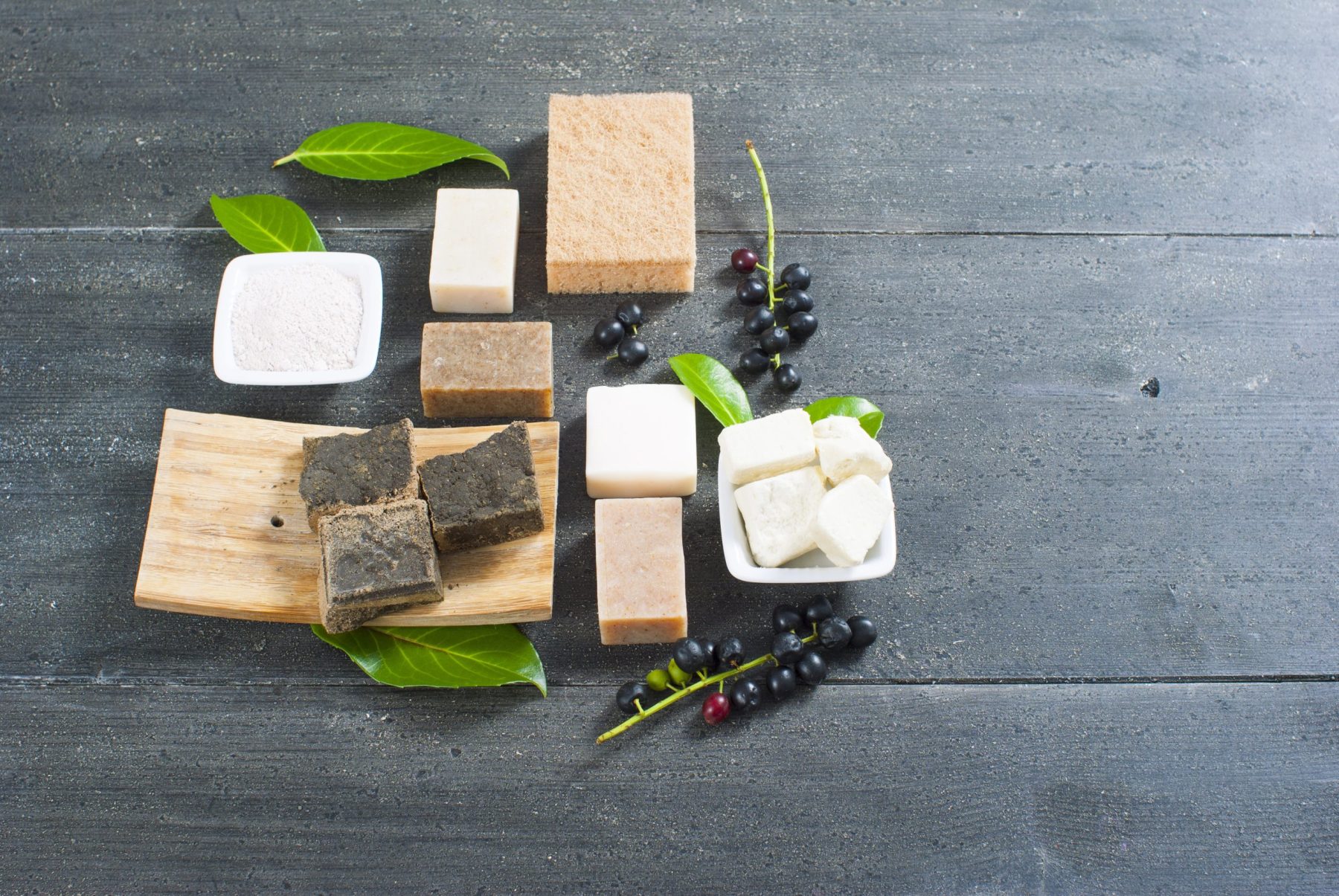
Most brand owners come to us with a finished concept. They have a name, a palette, a target customer, sometimes even mockups of the outer carton. What they rarely have is a clear picture of where the inputs inside that pretty package actually originate. And that gap, more than almost anything else, is what derails a launch.
Sourcing is not the glamorous part of building a hair care line. It does not show up in the brand deck. But it determines your cost floor, your claim language, your shelf stability, and whether your reorder six months from now matches the first run your customers fell in love with. So before you sign anything, you need to ask the right questions. We have put together the seven that matter most, drawn from years of fielding the same recurring surprises on our shop floor.
Why Sourcing Questions Decide Your Launch
Here is something that surprises first-time founders. The hardest conversations in contract manufacturing are rarely about scent or color. They are about supply chains.
A poured or pressed hair care bar is a small object, but it contains a long list of ingredients: surfactants, conditioning agents, oils, butters, fragrance, and sometimes a chelating agent or a preservative. Each of those has its own origin story, its own price volatility, its own paperwork. When a brand owner cannot answer basic questions about those inputs, the manufacturer ends up making assumptions. Assumptions are where margins quietly disappear.
There is a second reason these questions matter, and it has nothing to do with cost. It has to do with what you are legally allowed to say on the carton. The U.S. Food and Drug Administration regulates cosmetics under the Federal Food, Drug, and Cosmetic Act, and a cleansing hair product generally sits in the cosmetic category. The FD&C Act defines cosmetics by their intended use, as articles intended to be rubbed, poured, sprinkled, or sprayed on, introduced into, or otherwise applied to the human body for cleansing, beautifying, promoting attractiveness, or altering the appearance. The moment your product claims to treat something, it crosses into drug territory and a much heavier compliance burden. Your inputs, and the documentation behind them, are what keep your claims defensible.
The seven questions below sit in a quick map before we work through them one by one:
| Ingredient Type | Supply Risk | Common Source | Key Question to Ask |
| Surfactants | Medium to high | Palm or petroleum feedstock | Is the palm chain RSPO certified? |
| Conditioning agents | High | Specialty chemical suppliers | Is there a qualified backup supplier? |
| Botanical oils and butters | Medium | Agricultural supply chains | Are lot-specific COAs available? |
| Fragrance | Medium | Fragrance houses | Are regulated allergens disclosed? |
Question 1: Where Do the Surfactants Actually Come From?
Short answer: Ask for the exact INCI name of every surfactant, its feedstock origin, whether any palm-derived input carries RSPO certification, and what the realistic reorder lead time is. A manufacturer who knows their chain answers without hesitation.
Surfactants are the workhorses of any cleansing bar. They create lather, lift oil, and provide the product’s core function. They are also, frankly, the input most brand owners understand the least.
The common surfactant in many hair care bars is sodium coco-sulfate, sodium cocoyl isethionate, or a sodium lauryl sulfate derivative, and several are built from petroleum or palm-derived feedstock. That matters for two reasons. First, palm supply carries real environmental scrutiny. RSPO certification verifies, through an annual third-party audit, that a member growing or handling palm oil meets the scheme’s sustainability standards, and it lets that sustainability status be tracked along the supply chain. If your brand positioning leans on responsible sourcing, that documented chain is what makes the claim defensible. Second, the origin of feedstock affects price stability. Petroleum-linked inputs ride the energy market; palm-linked inputs ride agricultural cycles.
When you ask a manufacturer about surfactants, you want specifics:
- The exact INCI name of every surfactant in the formula, not a vague category
- The feedstock origin, whether petroleum, palm, coconut, or a blend
- Whether any palm input holds RSPO certification through an audited supply chain
- The supplier’s geographic location and how many tiers sit between them and the raw feedstock
- Lead time for reorders, including the realistic worst case
Ask all five. A manufacturer who knows their supply chain will answer without hesitation. One who deflects is telling you something.
Question 2: How Stable Is the Conditioning Agent Supply?
Short answer: Ask whether each conditioning agent is single-sourced or has a qualified backup, what happens to lead times during allocation, and whether the manufacturer has ever had to reformulate mid-contract because of a supply gap.
A conditioner bar lives and dies by its conditioning agents. These are the cationic ingredients, things like behentrimonium methosulfate or a guar derivative, that coat the hair shaft and make it feel smooth after rinsing. They are also among the more specialized inputs in the category, which means fewer suppliers and tighter availability.
We have seen this play out more than once. A brand locks in a beautiful formula, the first production run goes perfectly, and then the conditioning ingredient goes on allocation. Suddenly, the reorder is delayed by 10 weeks, or the manufacturer has to substitute a near-equivalent that subtly changes the product’s feel.
So ask your manufacturer directly. Is the conditioning agent single-sourced, or do they have a qualified backup? What happens to lead times if the primary supplier goes on allocation? Has the manufacturer ever had to reformulate mid-contract because of a supply gap? The honest answer to that last one is usually yes, and you want a partner who will tell you so rather than pretend supply chains are frictionless.
If you are early in development and still weighing build methods, this is a good time to consider how a solid conditioner production line handles ingredient intake, because upstream intake discipline protects batch consistency downstream.
Question 3: What Documentation Backs Each Ingredient?
Short answer: Every input should arrive with a current Safety Data Sheet, a lot-specific Certificate of Analysis, and an INCI declaration. That paperwork, not a verbal assurance, is what substantiates your label claims.
This is the unglamorous question that protects you most.
Every input in your bar should arrive with documentation. At minimum, that means a current Safety Data Sheet, a Certificate of Analysis for each lot, and an INCI declaration you can carry straight onto your label. For botanical inputs, you may also want a country-of-origin statement and, where relevant, allergen disclosure data. Batch traceability ties it all together, allowing a problem to be traced to a specific lot.
Why does this matter so much? Because your label claims are only as solid as the documents behind them. If you want to state that your shampoo bar contains a specific percentage of a plant oil, you need supplier data to back it. If a retailer or a regulator asks you to substantiate something, “the manufacturer told me verbally” is not an answer that holds up.
| Document | What It Confirms | Why You Need It |
| Safety Data Sheet (SDS) | Hazard, handling, and storage data | Worker safety and regulatory compliance |
| Certificate of Analysis (COA) | Lot-specific purity and spec conformance | Batch-to-batch consistency |
| INCI Declaration | Standardized ingredient naming | Accurate, compliant labeling |
| Country-of-Origin Statement | Geographic source of the input | Sourcing claims and customs needs |
| Allergen Disclosure | Presence of regulated allergens | Consumer safety and label warnings |
A capable contract manufacturer keeps this documentation on file as a matter of routine. When you ask to see a sample COA, the response should be quick and unbothered.
Question 4: Can the Manufacturer Verify Certification Claims?
Short answer: “Natural” has no federal definition and carries no enforcement weight. “Organic” does, and it requires every operation in the chain, including the final manufacturer, to be USDA-accredited. Ask which certifications the manufacturer itself holds.
Here is where a lot of well-meaning brands get into trouble. They want to label their product “organic” or lean on a clean-beauty story, and they assume the manufacturer will simply make that true.
It does not work that way. The word “organic” has a specific legal meaning for products containing agricultural inputs. The FDA does not define or regulate the term “organic” as it applies to cosmetics, body care, or personal care products; the USDA regulates the term through its National Organic Program. And the certification is not loose. If a cosmetic, body care, or personal care product contains or is made up of agricultural ingredients and can meet the USDA/NOP organic production, handling, processing, and labeling standards, it may be eligible to be certified under the NOP regulations.
The catch that trips people up: certification is a chain, not a single stamp. The operations that produce the organic agricultural ingredients, the handlers of those ingredients, and the manufacturer of the final product must all be certified by a USDA-accredited organic certifying agent. If your manufacturing partner is not certified, your finished bar cannot bear the organic claim, even if every oil in it is certified organic.
There is also a vocabulary trap worth naming. “Natural” and “organic” are not the same thing. “Natural” has no federal definition for cosmetics, so it carries no enforcement weight; “organic” does. Do not let a supplier blur the two. When you ask about certification, ask:
- Which specific certifications does the manufacturer itself hold
- Which inputs in your formula carry verifiable certification
- Can the manufacturer produce the certificate, with its expiration date, on request
- Who is the accredited certifying agent
If the answers are vague, treat the claim as unavailable, rather than pending.
Question 5: What Are the Realistic Minimums and Costs?
Short answer: Raw material pricing is tiered by volume, which is exactly why manufacturers set a minimum order quantity. Ask for an honest breakdown of material, labor, and packaging, and which inputs are the most volatile.
Brand owners often arrive with a price target before they have a base understanding of how minimums work. Sourcing economics do not bend to a spreadsheet.
Raw material pricing is tiered. Buy a drum of a specialty surfactant, and you pay one rate; buy a pallet, and you pay considerably less. That tiering is exactly why contract manufacturers set a minimum order quantity. The MOQ is not arbitrary; it is the volume at which input purchasing becomes efficient enough to give you a workable per-unit cost. At our facility, the MOQ is 5,000 bars, and the weekly capacity is roughly 35,000 bars, numbers that exist precisely because of how ingredient buying scales.
Ask your manufacturer to walk you through the cost structure honestly. What share of the unit cost is raw material versus labor, versus packaging? Which inputs are the volatile ones, the line items most likely to move between your first run and your third? A manufacturer who can map that for you is one who actually understands their own supply chain.
Question 6: How Is Ingredient Quality Checked on Arrival?
Short answer: Good manufacturers run documented incoming inspection: each lot is checked against its COA, appearance and odor are verified, and off-spec material is quarantined. Ask to see the written procedure rather than trusting an informal habit.
Sourcing the right input is only half the job. The other half is confirming that what shows up at the loading dock matches what was ordered.
Good manufacturers run incoming inspection. That can mean checking each lot against its COA, verifying appearance and odor, confirming that the oil’s quality has not degraded in transit, and quarantining anything that fails. It is dull, repetitive work, and it is also the single most reliable defense against a bad batch reaching your customers.
So ask: what does the incoming inspection process look like? How does the manufacturer handle an input that arrives out of spec? Is there a documented procedure, or is it left to whoever happens to be receiving that day? You want a documented procedure. In our experience, the manufacturers who skip this step are the ones whose customers eventually file complaints about a conditioner bar that smells slightly off or a shampoo bar that crumbles.
This is also where the build method intersects with sourcing. An extruded bar and a poured bar place different demands on input consistency, so understanding the extrusion process for press-formed bars helps you see why arrival-quality checks are not optional.
Question 7: What Happens When an Ingredient Becomes Unavailable?
Short answer: No supply chain is permanent. A thoughtful manufacturer already has qualified alternates for at-risk inputs and commits to telling you before a substitution, not after, because any change ripples straight to your label.
No supply chain is permanent. Crops fail, suppliers exit categories, regulations change, and freight routes seize up. The question is not whether an input will eventually become hard to get. It is whether your manufacturer has a plan for when it does.
A thoughtful manufacturer will already have qualified alternates for the most at-risk inputs in your formulation. They will know which substitutions are seamless and which ones would meaningfully change the product. Crucially, they will commit to telling you before making a change, not after.
A Quick Word on Substitution and Your Label
If an input changes, your ingredient list changes, and your label has to follow. A manufacturer who quietly swaps something is exposing you to a labeling problem because your carton would no longer reflect what is inside. Build the expectation of proactive notification into your agreement from day one.
Ask the question plainly: when, not if, an ingredient becomes unavailable, what is the process? The answer reveals whether you are dealing with a partner or just a vendor.
Bringing the Seven Questions Together
Step back, and a pattern emerges. Every one of these questions is really probing the same underlying thing: does this manufacturer genuinely know and control their supply chain, or are they improvising?
Sourcing is not a side detail of building a hair care line. It is the foundation on which the whole brand stands. The cost you can offer, the claims you can defend, the consistency your customers come to trust, all of it traces back to where the inputs come from and how carefully they are managed. Indie founders sometimes worry these questions will make them seem inexperienced. The opposite is true. A manufacturer worth working with respects a brand owner who asks them. The eco-conscious positioning that draws so many customers to the bar format only holds up if the sourcing behind it is real, and the question is how you find out.
Talk to MidSolid About Your Sourcing Plan
Thinking through a hair care line and want straight answers about where the inputs would come from? That is a conversation worth having early, before the formula is locked. Our team can walk you through realistic sourcing options, documentation, and minimums for your project. Reach out through our contact page to request a quote or to talk with us about what a private-label shampoo program would look like for your brand.
Frequently Asked Questions
What to look for in a shampoo bar?
Look first at the surfactant system, since it drives cleansing performance and skin feel, and check that it suits your customer’s hair type. Examine the conditioning agents if slip and detangling matter for your audience. Review the input documentation, including Safety Data Sheets and Certificates of Analysis, because that paperwork supports your label claims. Finally, confirm the build method, whether poured or pressed, since it affects hardness, longevity in the shower, and how the finished product wears down over repeated use.
What are the raw materials in shampoo?
A cleansing hair product typically combines several input categories. Surfactants do the cleaning and lathering. Conditioning agents add slip and reduce static. Oils and butters, such as coconut oil or cocoa butter, contribute emolliency. Additional inputs include fragrance, chelating agents that manage hard water, and sometimes a preservative, though waterless formats often need less preservation. The exact mix depends on hair-type targeting, desired texture, and any sustainability positioning the brand wants its sourcing story to support credibly.
What are the evaluation tests for shampoo?
Manufacturers commonly assess pH to confirm scalp and hair compatibility, foam volume and stability to gauge lathering performance, and viscosity or hardness for solid formats. Stability testing assesses how the product holds up over time and across temperature ranges, while microbial testing screens for contamination risk. For a hair cleansing bar specifically, dissolution behavior and wear rate matter too, since customers judge value partly by how long the product lasts. Results should be documented lot by lot for traceability.
How to formulate shampoo bars?
Formulation starts with selecting a surfactant system matched to the target hair type and desired mildness. From there, a formulator balances solid and liquid inputs so the product sets firmly yet activates easily when wet. Conditioning agents, oils, fragrance, and functional additives are layered in, with each adjustment tested for performance. Because this is specialized work, most indie brands partner with a contract manufacturer that already holds proven base formulas rather than building a recipe entirely from scratch.
Related Articles:
- 7 Supply Chain Considerations for Private Label Shampoo and Conditioner Bar Brands
- 7 Factors That Affect Production Lead Times for Solid Shampoo and Conditioner Bars
- 6 Things to Know About MOQ When Working with a Shampoo Bar Manufacturer
- 6 Ways to Reduce Per-Unit Costs Without Sacrificing Shampoo Bar Quality