


Solid Shampoo and Conditioner
Warning Signs: 10 Red Flags to Watch for When Choosing a Hair Care Manufacturing Partner
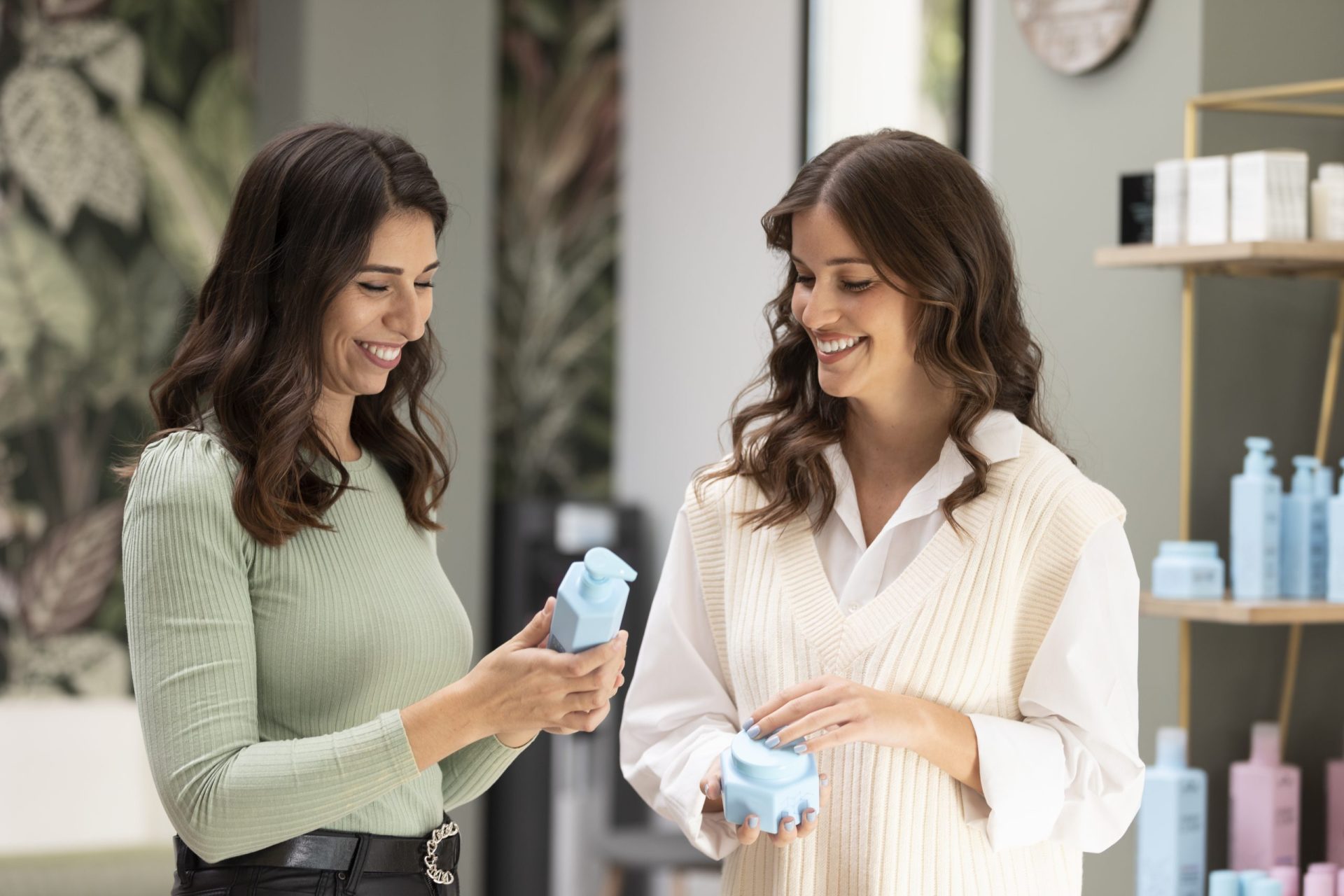
Finding the proper contract manufacturer for your hair care products feels like dating. Everyone puts their best face forward initially. They often sound smooth during those first conversations, promising everything you want to hear. But behind the polished sales pitch, problems might be waiting to surface after you’ve signed the agreement and placed your first order.
The cosmetics manufacturing industry includes both excellent and problematic partners. Telling them apart before you commit requires identifying the warning signs. A mistake here doesn’t just cost money; it can damage your brand reputation, delay your launch, and create headaches that persist for months.
I’ve put together these ten red flags to help you spot potential issues before they become your problems. Whether you’re launching your first hair care line or switching from a disappointing partner, these warning signs deserve your attention.
Reluctance to Provide Documentation
Transparency can be a quick way to assess a potential manufacturing partner. Legitimate manufacturers maintain detailed records and share them willingly with prospective clients. When a cosmetics manufacturer hesitates to provide basic documentation, something may be wrong.
Documents you should receive without hassle:
- Facility certifications and inspection reports
- GMP compliance certificates
- Third-party testing protocols
- Sample production timelines
- Insurance certificates and liability coverage
A red flag appears when requests for documentation are repeatedly delayed or met with vague responses. Perhaps they claim paperwork is “being updated” or suggest you don’t really need to see certain records. These deflections suggest either disorganization or deliberate concealment.
Private-label cosmetics arrangements, in particular, require clear documentation of ownership. Formulations, intellectual property rights, and production specifications should all be spelled out before work begins. Manufacturers who avoid putting things in writing often create problems when disputes arise later.
No Interest in Visiting Their Facility
Reputable contract manufacturers welcome facility visits. They understand that brand owners need to see where their products will be made, how quality checks happen, and whether the operation meets professional standards.
When a manufacturer discourages visits, makes scheduling impossible, or suggests virtual tours are “just as good,” treat this as a significant warning sign. Maybe they’re hiding outdated equipment. The facility may not match the impressive descriptions in their sales materials. They may be running a minor operation than they’ve represented.
What facility visits reveal:
- Actual cleanliness and organization
- Equipment condition and capabilities
- Staff professionalism and expertise
- Storage conditions for raw materials
- Overall operational capacity
For hair care products specifically, assess how they handle ingredients that affect formulation quality. Botanical extracts, oils, and active compounds need proper storage to maintain potency. A quick walkthrough often reveals more than months of email exchanges.
Unrealistic Promises About Lead Times
Production timelines matter enormously for product launches and inventory management. A contract manufacturer that promises impossibly fast turnarounds is unlikely to deliver or cut corners to meet deadlines.
Realistic lead time expectations for custom hair care products typically include:
| Production Phase | Typical Timeline |
| Sample development | 2-4 weeks |
| Formula adjustments | 1-3 weeks per round |
| Production scheduling | 2-4 weeks’ advance notice |
| Manufacturing run | 2-6 weeks, depending on volume |
| Quality testing | 1-2 weeks |
| Packaging and labeling | 1-2 weeks |
When manufacturers promise to cut these timelines dramatically, ask exactly how they’ll accomplish that. If answers remain vague or involve eliminating quality checks, walk away. Rushed production leads to inconsistent products, mislabeled packaging, and other issues that damage customer relationships.
Custom formulations take time to perfect. Any manufacturer claiming they can develop and produce a unique hair care formula in a few weeks either isn’t taking formulation seriously or plans to provide a generic product with minor modifications.
Evasive Answers About Quality Control
Quality control separates professional cosmetics contract manufacturing from problematic operations. Your customers expect consistent products every time they purchase. Achieving that consistency requires systematic testing and documentation.
Warning signs in quality discussions:
- Inability to explain testing procedures clearly
- No batch testing or retention samples
- Missing or incomplete specifications
- Reluctance to share quality control documentation
- No dedicated quality personnel on staff
Ask specific questions: How do you test incoming raw materials? What happens when a batch fails specifications? Can you show me quality records from recent production runs? Cosmetic safety depends on proper ingredient verification and finished product testing.
Manufacturers should test for microbial contamination, pH levels, viscosity, and other relevant parameters. For hair care specifically, stability testing under various conditions ensures products perform throughout their shelf life. When quality discussions generate more deflection than detail, consider it a serious red flag.
MOQ Requirements That Don’t Match Your Needs
Discussions of minimum order quantities reveal a lot about fit. Some manufacturers set MOQ levels that work for established brands but crush startups and smaller companies. Others set minimums so low that you question their actual production capacity.
Consider these MOQ red flags:
- Rigid minimums with zero flexibility for new relationships
- Minimums that require you to overcommit capital on unproven products
- Different minimums quoted to different prospects (suggesting they’re negotiable but playing games)
- No explanation for why minimums exist at their stated levels
Healthy manufacturing relationships accommodate growth. A reasonable partner might offer higher per-unit costs for initial small runs while providing better pricing once you’ve proven the product and need larger quantities. Manufacturers demanding enormous first orders often care more about their production efficiency than your business success.
On the other hand, suspiciously low MOQ requirements indicate a manufacturer that assembles orders and doesn’t maintain proper batch control. Your products could share equipment with unknown items, creating cross-contamination risks.
Poor Communication Patterns
How a manufacturer communicates during the sales process predicts how they’ll communicate during production. Pay attention to response times, clarity, and whether they actually answer your questions.
Communication red flags include:
- Emails that go unanswered for days
- Phone calls that never get returned
- Questions answered with unrelated marketing materials
- Different people giving contradictory information
- Defensive responses to reasonable questions
Private label hair care requires ongoing coordination. Ingredients need ordering, packaging specifications need confirming, and production schedules need adjusting as your business evolves. Manufacturers who communicate poorly before you’re a customer will only get worse afterward.
Look for a partner who assigns a dedicated account contact, provides clear channels for urgent issues, and demonstrates genuine interest in understanding your business needs. The manufacturing relationship works best when both parties communicate openly and frequently.
Lack of Industry-Specific Expertise
Hair care products present specific formulation challenges that generic cosmetics manufacturers may not be familiar with. Surfactant systems in shampoos behave differently from emulsion systems in creams. Conditioning agents require particular expertise. pH management affects both product performance and scalp comfort.
Signs that a manufacturer lacks hair care expertise:
- No examples of similar products in their portfolio
- Technical questions met with generic responses
- Unfamiliarity with common hair care ingredients
- No understanding of regulatory compliance for hair products
- Inability to discuss different hair types and their needs
A manufacturer who primarily makes skincare products might claim they can “easily” add hair care to their offerings. But the transition isn’t as simple as they suggest. Equipment, ingredient knowledge, and testing protocols all differ. You’re better served by a manufacturing partner who understands the specific requirements of hair care formulations.
Hidden Fees and Unclear Pricing
Cost matters, but the cheapest quote often isn’t the best value. More concerning than high prices, though, are pricing structures designed to hide the actual cost until you’re already committed.
Watch for these pricing red flags:
Fee Type |
What It Might Hide |
| Setup fees | Excessive charges for standard procedures |
| Storage fees | Poor inventory management was passed to you |
| Documentation fees | Charges for records they should maintain anyway |
| Packaging fees | Separate billing for included services |
| Rush fees | Penalties for their scheduling problems |
| Testing fees | Unbundled quality control costs |
Ask for complete quotes that include all anticipated costs. Request clarification on anything vague. Get pricing in writing before work begins. Manufacturers who resist clear pricing discussions either haven’t determined their own costs or plan to surprise you with additional charges later.
Production costs should align with the complexity of your products. Extremely low quotes mean corners will be cut on ingredients or quality control. Extremely high quotes need justification. Neither extreme is automatically wrong, but both deserve explanation.
No References or Poor Reviews
Established manufacturers have track records. They should be willing to provide references from current clients and have no reason to hide their history.
When a manufacturer refuses to share references, claims confidentiality prevents disclosure, or offers only anonymous testimonials, treat this as a warning. Perhaps previous clients had negative experiences. The manufacturer may not have produced what they claim to make.
Research steps worth taking:
- Request references and actually call them
- Search for online reviews and complaints
- Check industry forums and social media
- Ask about the manufacturer in trade associations
- Look for any regulatory actions or recalls
Contract manufacturers serving the cosmetics industry should be willing to share success stories. Brands they’ve helped launch, challenges they’ve solved, relationships that have lasted years, these stories demonstrate capability and reliability. Their absence raises questions that need to be answered before you proceed.
Resistance to Regulatory Compliance Discussion
Cosmetic safety regulations exist to protect consumers. Manufacturers should thoroughly understand these requirements and proactively demonstrate compliance.
Red flags in regulatory discussions:
- Claiming regulations “don’t really apply” to certain products
- Resistance to proper labeling requirements
- No familiarity with FDA cosmetic regulations
- Unable to discuss ingredient restrictions and limits
- No process for tracking regulatory changes
Hair care products are subject to specific regulatory compliance requirements, including ingredient restrictions, labeling mandates, and safety testing protocols. Your manufacturing partner should understand these requirements better than you do, and be eager to help you meet them.
Manufacturers who minimize regulatory importance create liability for your brand. When products cause adverse reactions or fail to meet labeling requirements, your company faces consequences regardless of where the failure originated. Choose partners who treat compliance as foundational rather than optional.
Checking the Right Boxes
Beyond avoiding red flags, positive indicators help identify genuinely capable manufacturing partners.
What good partners typically offer:
- Proactive communication about challenges and solutions
- Transparent quality control with documentation available
- Flexibility in quantities as your business grows
- Hair care expertise demonstrated through portfolio examples
- Apparent regulatory compliance and guidance
- Fair pricing with no hidden surprises
- Strong references from satisfied clients
- Willingness to welcome facility visits
Finding the right fit takes time. Don’t rush the vetting process simply because you’re eager to launch. A few extra weeks spent identifying the right partner prevents months or years of problems with the wrong one.
FAQs About Vetting Hair Care Contract Manufacturers
How long should I expect the manufacturer vetting process to take?
Thorough vetting typically requires four to eight weeks, including initial conversations, sample reviews, facility visits, reference checks, and contract negotiations. Rushing this process increases the risk of missing vital warning signs. Some brands take longer to develop custom formulations, requiring development partnerships. Allocate sufficient time in your launch timeline for proper manufacturer selection rather than settling for the first available option.
What certifications should a legitimate hair care manufacturer have?
At a minimum, look for current Good Manufacturing Practice (GMP) certification and appropriate insurance coverage. ISO 22716 certification explicitly addresses cosmetics manufacturing standards. Depending on your products, certifications for organic, cruelty-free, or vegan claims may matter. Facility registration with the FDA demonstrates basic regulatory compliance. Request copies of all relevant certifications and independently verify their current status.
Can I work with overseas manufacturers, or should I stick with domestic options?
Both overseas and domestic manufacturers can deliver quality products, but each path presents different challenges. Overseas production often involves longer lead times, communication barriers, and less visibility into operations. Domestic manufacturing typically offers easier communication, faster shipping, and simpler regulatory oversight. Consider your priorities regarding quality control access, supply chain speed, and ability to visit facilities when making this decision.
What happens if I’ve already signed with a problematic manufacturer?
Review your contract for termination provisions and notice requirements. Document all issues thoroughly, including quality problems, missed deadlines, and communication failures. Begin vetting alternative manufacturers while managing the transition carefully to avoid inventory gaps. Some contracts include exclusivity periods or early-termination penalties; understand them before taking action. Legal review may be worthwhile for significant disputes.
Quick Reference: Manufacturing Partner Evaluation
Evaluation Area |
Green Flags |
Red Flags |
| Documentation | Readily available, complete | Delayed, vague, or missing |
| Facility Access | Welcomed, tours offered | Discouraged or blocked |
| Lead Times | Realistic estimates provided | Promises that seem too good |
| Quality Control | Detailed protocols shared | Evasive or unclear answers |
| Communication | Responsive, clear, consistent | Slow, confusing, defensive |
| Pricing | Transparent, itemized quotes | Hidden fees, vague totals |
| Expertise | Hair care experience is evident | Generic claims, no portfolio |
| References | Provided willingly | Refused or unavailable |
| Compliance | Proactive guidance offered | Minimized or dismissed |
Partner With a Manufacturer You Can Trust
Choosing the proper contract manufacturer shouldn’t feel like a gamble. MidSolid Press & Pour offers transparent partnerships with brands seeking reliable hair care production. Based in Colorado, we welcome facility visits, provide detailed documentation, and maintain the communication standards that professional relationships require. Contact us to discuss how we can support your hair care brand.
Related Articles:
- 10 Questions to Ask Before Choosing a Private Label Shampoo Bar Manufacturer
- 10 Benefits of USA-Made Solid Shampoo Bars for Your Brand
- 10 Questions to Ask Before Choosing a Private Label Shampoo Bar Manufacturer
- 10 Reasons Brands Are Moving from Liquid to Solid Hair Care
- 10 Questions Your Private Label Conditioner Supplier Should Answer
- 10 Benefits of Working with a Full-Service Shampoo Bar Manufacturer
- 10 Factors That Determine Solid Shampoo Bar Quality (What Brands Should Know)
- 10 Ways Solid Shampoo Bars Differentiate Your Private Label Brand
- 10 Mistakes Brands Make When Outsourcing Hair Care Manufacturing
- 10 Signs You’ve Found the Right Contract Manufacturer for Your Hair Care Line
- 10 Things to Know Before Ordering Custom Formulated Shampoo Bars