


Solid Shampoo and Conditioner
What’s Fueling the Solid Hair Care Boom? 10 Trends Every Brand Needs to Watch
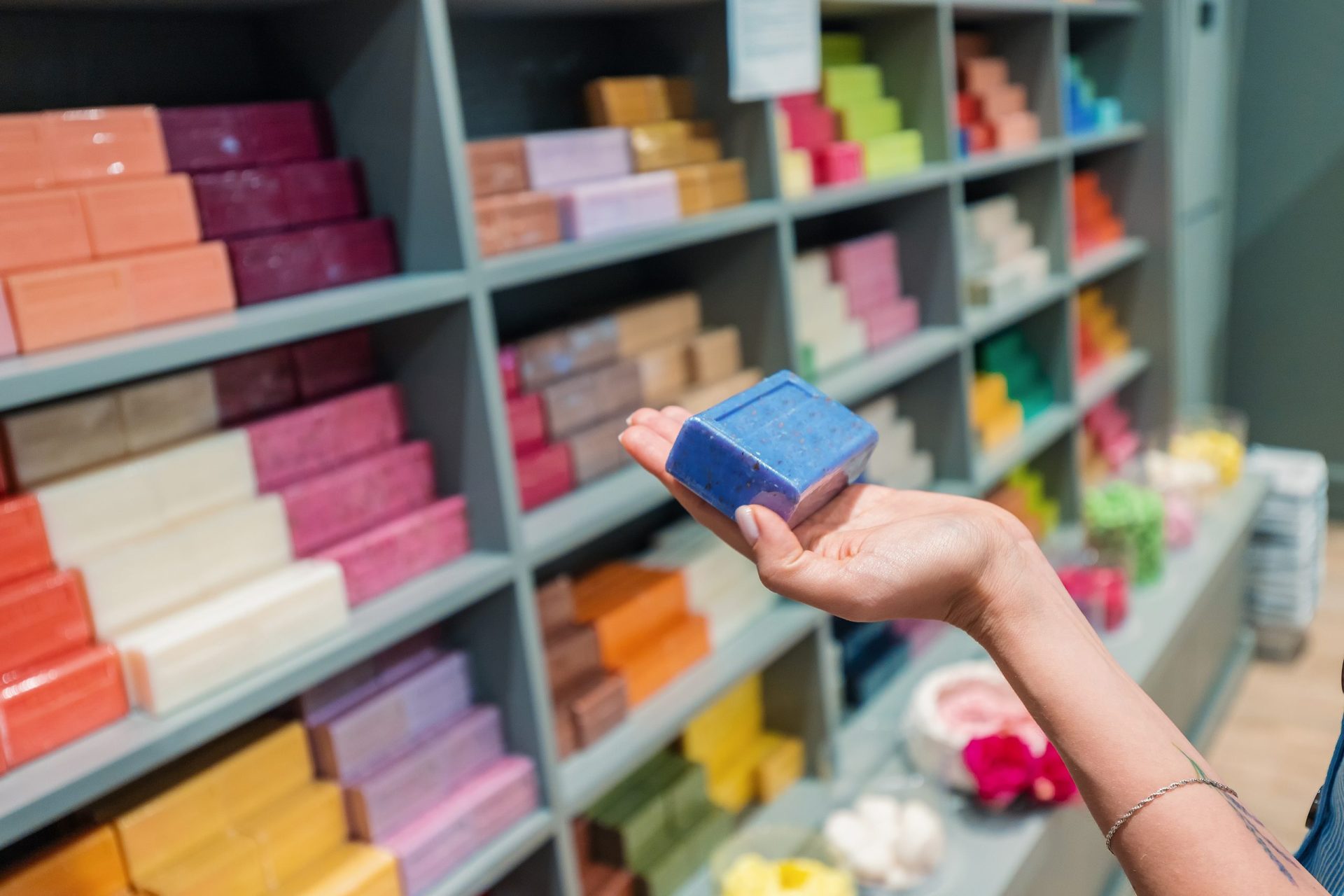
A few years ago, shampoo bars and pressed conditioners were curiosities on the shelf. They attracted eco-conscious early adopters, but mainstream buyers weren’t convinced. That’s changed. The global solid shampoo bars market is projected to reach roughly $12.16 billion in 2026, growing steadily to an estimated $19.23 billion by 2034. Concentrated, anhydrous formulations now compete directly with liquid counterparts on lather density, rinsing performance, and how they feel on the scalp.
What’s pushing this? A combination of forces: regulatory pressure on packaging waste, consumer demand for fewer products that actually work, and real improvements in how pressed and extruded bars are manufactured. Brands building product lines around solid formats are no longer selling a format story. They’re selling performance, convenience, and transparency.
For contract manufacturers and the beauty brands they serve, understanding the underlying drivers of this acceleration matters. Below, we walk through ten forces redefining how solid personal care products get formulated, produced, and positioned this year.
Scalp-First Thinking Reshapes Every Formula
Why the Scalp Became the Starting Point
Perhaps the single biggest change in how people buy and use cleansing bars is the focus on scalp health. It’s no longer enough for a bar to clean strands and rinse away easily. Buyers want to know what the product does for the skin underneath their hair. A scalp routine has become as common as a skincare regimen, driven partly by social media education and partly by genuine awareness that long-term follicle wellness starts at the root.
Scalp care as a subcategory has posted double-digit growth in recent years, according to industry analysts at Circana. That momentum isn’t slowing. Formulations for solid bars now regularly include exfoliating actives, soothing botanicals, and pH-balanced surfactant systems designed to maintain the scalp’s microbiome rather than strip it.
What This Means for Product Development
For solid shampoo production, the implication is clear. Brands requesting custom bars increasingly specify scalp and hair-specific needs, asking for ingredients that target oiliness in the crown area, dryness at the nape, or sensitivity across the entire scalp. This level of detail was rare even two years ago. Contract manufacturers that can run smaller, targeted batches with varied active profiles are in a stronger position than those offering only one-size-fits-all bases.
Waterless Formats Go Mainstream
The broader waterless cosmetics market is estimated at approximately $13.26 billion in 2026, with solid bars representing the dominant form factor, accounting for around 55% of the market. Powder-to-liquid shampoos, dissolvable sheets, and single-dose pods are all gaining traction, but the humble pressed bar remains the workhorse.
Why? Because bars are logistically simple. They weigh less, take up less shelf space, survive shipping without leaking, and have a longer shelf life than their liquid equivalents. A lifecycle assessment cited by DSM-Firmenich found that waterless powder shampoo formats can reduce greenhouse gas emissions by 35% across the supply chain compared to traditional liquids, largely because transporting up to 91% less water cuts distribution costs and dramatically reduces carbon output.
For brands evaluating a move into solid formats, the economics are persuasive. Fewer raw materials by volume, lower freight costs, and reduced packaging complexity all contribute to healthier margins. The challenge, in our experience, is reformulation. Getting a bar to perform as well as a premium liquid shampoo requires careful surfactant selection and testing, not just pressing the same ingredients into a mold.
Consumers Want Proof, Not Promises
The Trust Gap Is Widening
A recent survey noted by Allure found that 75% of beauty executives expect greater consumer scrutiny of perceived value this year. Buyers are pickier. If they spend on a premium bar, they expect it to outperform something available at half the price. Generic claims like “nourishing” or “rejuvenating” don’t carry weight anymore without clinical backing or third-party testing.
This is particularly relevant for haircare brands that position solid products as treatment-styling solutions rather than basic cleansers. A conditioning bar that promises strand repair needs data to back it up. A bar marketed for hair growth benefits must be careful not to cross into therapeutic territory unless the product is registered as an over-the-counter drug with the FDA.
How Brands Are Responding
Smaller beauty brands and indie labels are investing in independent lab testing and openly publishing results. Certifications matter, too; USDA Organic seals, Leaping Bunny verification, and clear ingredient sourcing disclosures are becoming table stakes rather than differentiators. From a manufacturing standpoint, this means more documentation, more traceability, and a closer relationship between the brand’s marketing team and the contract manufacturer’s quality team.
Simplified Routines Drive Multi-Purpose Bars
Consumers are pulling back from ten-step regimens. The desire for fewer, more capable products is reshaping what brands ask their manufacturers to produce. Conditioning cleansers, 2-in-1 shampoo-conditioner bars, and treatment-infused cleansing formats are all on the rise.
This “slow beauty” mentality prioritizes intention over accumulation. Buyers don’t want a cabinet full of half-used bottles. They want one bar that cleans, conditions, and supports their scalp routine in a single step.
From a formulation perspective, multi-purpose bars are harder to get right than single-function products. Balancing cleansing power with conditioning agents, ensuring the bar doesn’t become waxy or leave residue, and maintaining acceptable lather across varying water conditions all require iterative testing. Brands that partner with experienced solid-conditioner manufacturers or shampoo-bar producers benefit from that trial-and-error knowledge.
MoCRA Compliance Changes the Manufacturing Landscape
A New Regulatory Reality
The Modernization of Cosmetics Regulation Act of 2022 (MoCRA) is the most significant expansion of FDA authority over cosmetics in more than 80 years. While some timelines have been delayed, the direction is unmistakable: cosmetics oversight is moving closer to drug-level structure. In 2026, the FDA is transitioning from awareness to active enforcement.
Key regulatory milestones on the horizon include:
- Facility registration and product listing are now mandatory, with the FDA actively using these records during inspections
- Safety substantiation requirements mean every marketed formula needs documented, science-backed evidence of safety
- A proposed rule targeting formaldehyde and formaldehyde-releasing chemicals in smoothing products signals tighter ingredient scrutiny
- Fragrance allergen labeling rules are expected by mid-year, requiring disclosure of specific allergens on product labels.
- Draft guidance on mandatory cosmetic recalls was issued in late 2025, clarifying the FDA’s authority to recall unsafe products from the market.
What This Means for Solid Bar Producers
For contract manufacturers, MoCRA compliance isn’t optional, and it’s not something to push to next quarter. Facility registration under Form FDA 5066, product listing under Form FDA 5067, adverse event tracking, and robust quality management systems are now all required. Brands working with manufacturers that already operate under current Good Manufacturing Practice (cGMP) standards will face less disruption than those scrambling to catch up.
The takeaway? Regulatory readiness is becoming a competitive advantage. Brands choosing manufacturing partners should ask about FDA Establishment Identifiers, documentation practices, and how the facility handles safety substantiation before signing a contract.
Personalization and Hyper-Segmentation
One Bar Does Not Fit All
The era of generic shampoo bars labeled “for all types” is fading. Consumers now expect products formulated for their specific combination of concerns, whether that’s hormonal thinning, color-treated strands, hard-water buildup, or textured natural hair.
AI-driven diagnostics are accelerating this trend on the consumer side, with apps that assess skin condition through selfies and recommend targeted routines. On the manufacturing side, hyper-segmentation means more SKUs, smaller initial runs, and faster turnaround on custom formulations. Brands that can launch a bar for “fine, oily, color-treated, hard-water-area” buyers, rather than just “oily,” are winning loyalty.
The Gen Z and Gen Alpha Factor
Younger buyers, particularly Gen Z shoppers and Gen Alpha beauty trends followers, approach personal care differently than previous generations. They research ingredients. They fact-check claims on social media. They expect brands to be transparent about sourcing, testing, and environmental impact. A haircare trend that resonates with this cohort tends to be rooted in visible results and honest communication rather than aspirational marketing.
Sustainability Becomes Baseline, Not Bonus
It’s tempting to position eco-friendliness as a selling point. In 2026, though, sustainability is more like a minimum requirement. Younger consumers, in particular, expect recyclable packaging, cruelty-free formulations, and responsible ingredient sourcing as standard. When those elements are missing, the brand gets excluded from consideration entirely.
Solid bars have an inherent advantage here. No plastic bottles. Reduced water usage in manufacturing. Lower shipping weight. Longer shelf life without preservative overload. But “inherent” isn’t “automatic.” Brands still need to back up their planet-positive progress with specifics, such as carbon footprint data, post-consumer recycled packaging materials, ingredient traceability, and supply chain audits.
From a global cosmetics perspective, this pressure is only increasing. The EU continues to lead on packaging regulations and ingredient restrictions that shape U.S. market expectations, even when American law hasn’t yet caught up.
Color, Fragrance, and Sensory Appeal
Scent as an Affordable Luxury
Economic uncertainty has an interesting effect on beauty buying. When bigger purchases feel risky, people spend on small indulgences. Fragrance-forward personal care products fit that pattern perfectly. A beautifully scented shampoo bar becomes the affordable luxury, the equivalent of the “lipstick index” for routines centered around washing and styling.
Allure’s trend coverage notes that brands are experimenting with scent partnerships and signature fragrances in formats such as bars that preserve aroma well. Because solid products have less water to dilute fragrance oils, the scent experience can be more pronounced and longer-lasting than in a liquid shampoo.
Color Trends in Bars and Beyond
Salon color trends are also influencing the solid category. Richer, lower-maintenance shades like espresso, burgundy, and toffee are replacing high-maintenance blondes and vivid neons. This “return to real” approach encourages longer intervals between color appointments, which means buyers need products that preserve and protect existing pigment. Color-safe solid bars, formulated without sulfates or harsh detergents, fill that need.
For private-label shampoo lines, adding a “color protect” SKU is a relatively simple extension that addresses growing consumer demand.
Inside-Out Wellness and Hair Health
Hair wellness is evolving beyond topical products. Supplements targeting biotin levels, stress-related thinning, and hormonal imbalances are becoming part of the conversation. Clinical interventions like PRP therapy and red light devices are normalizing the idea that healthy follicles require more than just the right shampoo.
How does this connect to solid bar manufacturing? Brands are beginning to think in terms of ecosystems rather than standalone products. A solid cleansing bar, a scalp serum, and a daily supplement create a complete regimen. Contract manufacturers who can produce multiple bar formats, from cleansing to conditioning to treatment, become more valuable within that broader product strategy.
The reframing of hair as a long-term asset, something to preserve rather than repeatedly damage and repair, is pushing formulation science in a meaningful direction. In our experience, the most forward-thinking brands already ask about ingredient compatibility across their entire line, not just within a single product.
Bond Repair and Biotech Ingredients Gain Ground
The Science Behind the Buzzwords
Bond repair technology, popularized by brands like Olaplex and K18, opened the door for a new class of ingredients in solid formats. Peptides, proteins, and biotechnology-derived actives that work at the structural level of the strand are moving from prestige salon products into everyday cleansing and conditioning bars.
The challenge for solid format manufacturers is stability. These actives often perform differently when formulated without water. Temperature sensitivity during pressing or extrusion, interaction with surfactant systems, and shelf-life behavior all require careful validation.
Ingredient Transparency
Consumers want to understand what’s in their bars, not just at the category level (“contains proteins”) but at the specific ingredient level. Skincare-influenced shoppers now bring that same ingredient literacy to their purchases. Labels listing ceramides, niacinamide, salicylic acid, or hyaluronic acid in a shampoo bar signal a level of formulation sophistication that drives purchase intent.
For syndet bar manufacturing in particular, ingredient transparency helps distinguish synthetic detergent bars from traditional cold-process soap, a distinction the FDA takes seriously and one that matters for claim accuracy on packaging.
Solid Hair Care Trends at a Glance
| Trend | Consumer Driver | Manufacturing Implication |
| Scalp-first formulation | Awareness of follicle and microbiome wellness | Targeted actives, pH-balanced surfactant systems |
| Waterless and concentrated formats | Sustainability expectations, travel convenience | Anhydrous processing, reduced freight costs |
| Proof-based purchasing | Distrust of unsubstantiated claims | Third-party testing, documented safety data |
| Simplified multi-purpose bars | Routine fatigue, desire for fewer products | Complex formulation balancing multiple functions |
| MoCRA compliance | FDA enforcement expansion | Facility registration, adverse event tracking, and cGMP |
| Hyper-personalization | Demand for specific solutions | More SKUs, smaller batch capability, faster R&D |
| Sustainability as baseline | Eco-conscious Gen Z and millennial buyers | Recyclable packaging, carbon footprint data |
| Fragrance and sensory appeal | Affordable luxury mindset | Concentrated scent systems for solid formats |
| Inside-out hair wellness | Holistic health philosophy | Multi-product ecosystem development |
| Bond repair and biotech activities | Science-driven ingredient interest | Stability testing for actives in anhydrous bases |
Frequently Asked Questions
What are the trends for haircare in 2026?
The biggest movements this year center on scalp-focused formulations, waterless product formats, and rigorous ingredient transparency. Buyers are also gravitating toward simplified routines built around multi-functional products rather than extensive, step-heavy regimens. Sustainability has become a non-negotiable baseline rather than a premium feature. Bond repair technology and biotechnology-derived actives are crossing over from salon-exclusive lines into daily-use products, including pressed and poured bars. Personalization powered by AI diagnostics, along with tighter FDA oversight through MoCRA, rounds out the landscape. The common thread across all of these forces is a demand for measurable outcomes and honest communication from brands.
What are the salon trends for 2026?
Professional salons are investing heavily in scalp diagnostics, using tools that capture magnified imagery and analyze strand thickness, density, and follicle condition. Head spa experiences, blending exfoliation with aromatherapy and relaxation rituals, continue to gain popularity. Safer, less toxic color and chemical services are a growing priority, with bond-strengthening and formaldehyde-free systems replacing older formulas. Colorists report that clients prefer richer, lower-maintenance shades like espresso and burgundy over high-maintenance platinum or vivid neons. Clinical procedures such as PRP therapy and red light treatments are normalizing, particularly among clients experiencing stress-related or hormonal thinning.
What is trending in beauty treatments in 2026?
Across the broader beauty landscape, treatments are becoming more preventative and less reactive. Consumers increasingly view personal care as a wellness practice rather than a purely cosmetic one, investing in products and services that protect against future damage. Biotech-derived actives and peptide-based formulas are appearing in everything from serums to solid bars. At-home devices, including LED therapy caps and scalp analyzers, are bridging the gap between professional and personal care. Economic pressures are also reshaping behavior; many shoppers are extending the intervals between professional appointments while spending more on high-performing at-home alternatives that deliver salon-caliber results.
Ready to Build Your Solid Product Line?
If these trends have you rethinking your next product launch, MidSolid Press & Pour can help you move from concept to finished bar. Whether you’re exploring a custom conditioner bar formulation, expanding into shave or amenity products, or need a manufacturing partner that already meets MoCRA compliance standards, we’re built for this kind of work. Reach out through our contact page to start a conversation about your project, timeline, and volume needs.