


Solid Shampoo and Conditioner
How Solid Shampoo Bars Transform the Hotel Guest Experience
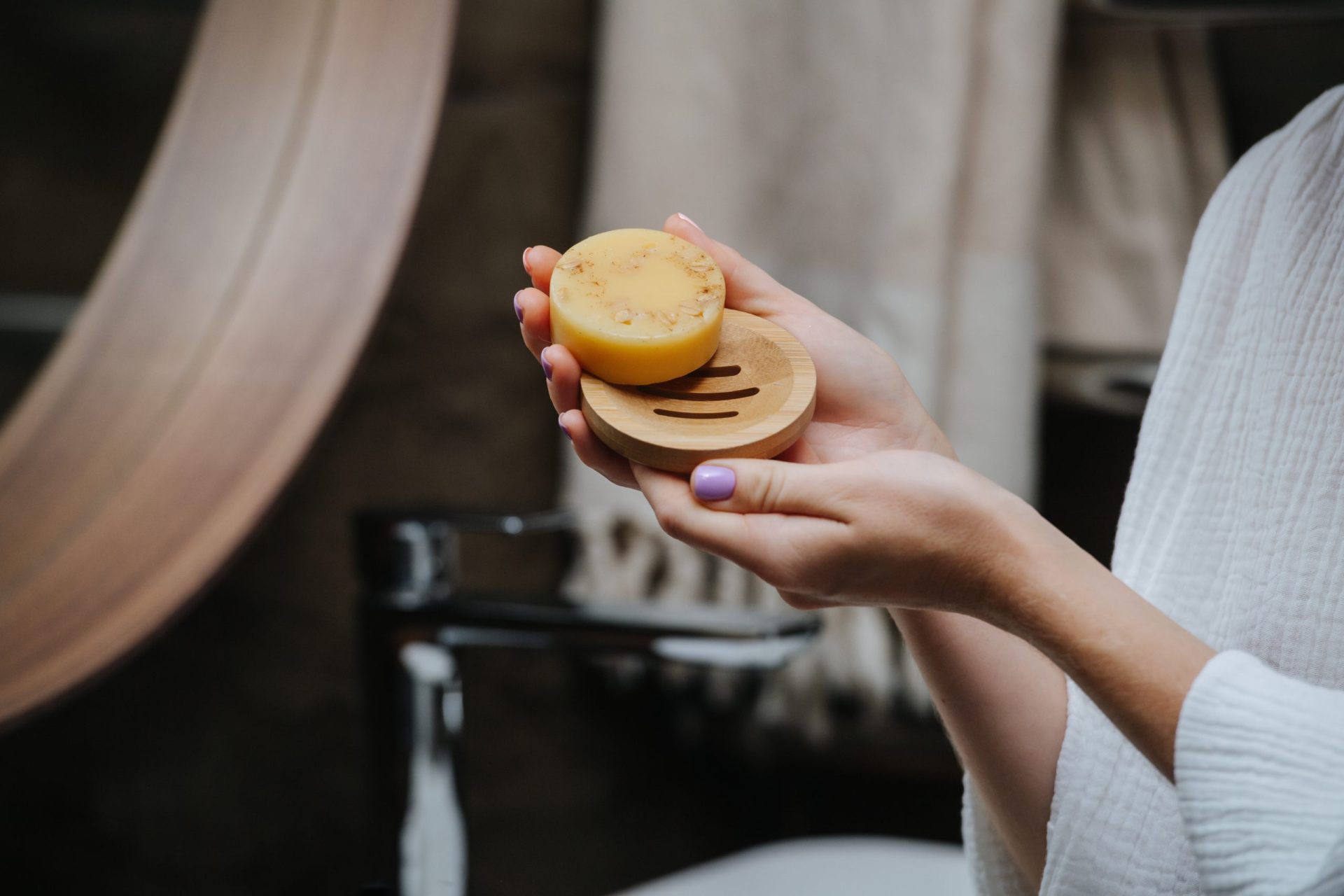
The typical hotel bathroom is full of half-used plastic bottles. Guests crack open a tiny shampoo, use a fraction, and leave the rest behind. Housekeeping tosses what remains, and the cycle repeats. That model is expensive, wasteful, and increasingly out of step with what travellers expect.
A growing number of hospitality brands are swapping those miniature bottles for pressed, concentrated hair care bars. You may have seen them at a boutique property or a forward-thinking resort chain. They work, guests notice them, and the environmental math is hard to argue with. Below, we walk through ten practical reasons these products are reshaping guest soap and amenity programs across the industry.
Reason 1: Less Plastic, More Purpose
Single-use plastic bottles are one of the largest contributors to waste in the lodging sector. The American Hotel & Lodging Association has long encouraged properties to reduce disposable amenities, and several U.S. states now restrict single-use toiletries in certain hospitality settings.
Concentrated hair cleansing bars ship without plastic packaging. Each one replaces roughly two to three miniature bottles, depending on size and formulation. Over the course of a year, even a mid-size property can keep thousands of containers out of landfills.
- Compact form factor means fewer shipping cartons per order
- Lower freight weight reduces carbon output during transit
- No caps, pumps, or shrink wrap to dispose of after use
- Guests can finish a full product rather than leaving behind partially used bottles
- Properties can highlight waste reduction numbers on in-room signage
This shift supports eco-friendly products goals without requiring a complete overhaul of operations. It is one of the simplest changes a property can make, and one of the most visible to guests.
Reason 2: A Premium, Sensory Moment in Every Stay
Think about the last time a hotel bathroom actually surprised you. It probably was not because of a generic bottle of conditioner. Concentrated hair bars, on the other hand, create a tactile, memorable moment. Guests pick them up, notice the scent, and feel the quality of the ingredients in their hands.
Custom fragrance blends, natural colorants, and embossed branding all contribute to a sense of care that a standard pump dispenser simply cannot replicate. When the formulation includes plant-derived oils or botanical extracts, that sensory impression deepens. Guests remember it, and many ask about the product at checkout.
For properties looking to source these kinds of formulations at scale, working with an experienced solid shampoo manufacturer ensures consistency from the first batch to the thousandth.
Reason 3: Cost Efficiency That Compounds Over Time
Per-Unit Savings Add Up Quickly
Liquid shampoos and conditioners require bottles, labels, caps, and sometimes pumps. Each component has a per-unit cost. Concentrated bars, by contrast, need minimal packaging. The raw material cost per wash tends to be lower as well, since they use less water during production. A normal liquid shampoo is often 70-80% water by weight. Pressed bars concentrate the active ingredients, so you get more washes per ounce of product.
Reduced Housekeeping Labor
Housekeeping teams spend less time restocking and disposing of partially used bottles. Solid bars are easy to assess at a glance: if a bar is still substantial, it stays. That simplicity saves minutes per room, which scales meaningfully across a 100+ room property.
Here is a side-by-side look at the key differences:
| Factor | Miniature Liquid Bottles | Concentrated Hair Bars |
| Packaging needed | Bottle, cap, label, shrink wrap | Paper wrap or none |
| Plastic waste per guest | 2-4 bottles per stay | Zero |
| Average washes per unit | 3-5 | 15-30 |
| Storage footprint | Moderate to high | Very low |
| Housekeeping time per room turnover | Higher | Lower |
| Guest perception | Standard | Premium, differentiated |
| Shelf life | 12-24 months typical | 12-24+ months typical |
Reason 4: Brand Storytelling Through Custom Formulation
Every property has a story. The toiletries you place in a hotel bathroom either reinforce that story or contradict it. A luxury mountain lodge using the same generic shampoo as an airport hotel sends the wrong message.
Custom-pressed hair bars let properties choose:
- Scent profiles that match their brand identity (cedarwood for a mountain resort, citrus for a coastal property)
- Ingredient lists that reflect brand values (sulfate-free, vegan, cruelty-free)
- Embossed logos or custom shapes that reinforce visual identity
- Packaging design that carries through the property’s aesthetic
- Color palettes that coordinate with bathroom fixtures
This level of personalization turns a routine toiletry into a branded touchpoint. Guests photograph unique amenities and share them online, which creates organic marketing that money cannot buy.
How Custom Manufacturing Works
A contract manufacturer formulates the product to your specifications. You approve samples, lock in ingredient sourcing, and set a production schedule. The extrusion process presses the formulation into its final shape; from there, bars can be stamped, wrapped, and labeled to your brand’s standards. The result is a product that belongs to your property, not a catalog.
Reason 5: Meeting Sustainability Commitments Without Greenwashing
Many hotels have published sustainability pledges. Guests are paying attention. According to a 2023 Booking.com survey, over 70% of global travelers said they wanted to travel more sustainably. Yet greenwashing accusations are increasingly common when properties make vague claims without evidence.
Switching from plastic bottles to solid, environmentally friendly hair care products is a tangible, verifiable step. Properties can communicate exactly how many containers they have removed from the waste stream. That specificity builds trust.
- Track the number of bars used versus the equivalent bottles replaced
- Display sustainability metrics on in-room cards
- Reference third-party certifications where applicable (for example, cruelty-free verification through Leaping Bunny)
Be careful with claims. Under FTC guidelines, environmental marketing claims must be truthful, substantiated, and not misleading. If your bars are not certified organic, do not call them organic. If the packaging is recyclable, say so, but do not imply the product itself is “zero waste” unless that is verifiable end-to-end.
Reason 6: Longer Shelf Life and Simpler Logistics
Concentrated bars are remarkably stable. Without the water content found in liquid formulations, they are less prone to microbial growth. This often means a longer shelf life without relying on heavy preservative loads.
From a logistics standpoint, that stability translates to:
- Fewer spoilage-related losses
- Less frequent inventory rotation
- Easier storage (no leak risk, no temperature sensitivity for most formulations)
- Smaller warehouse footprint per unit of product
Properties can order in bulk with confidence that product quality remains consistent for months. For hospitality groups managing multiple locations, this simplifies centralized purchasing.
Reason 7: Appealing to the Modern, Values-Driven Traveler
Today’s guests, particularly millennials and Gen Z travelers, actively seek out brands that share their values. A property that stocks thoughtfully formulated, low-waste hair care signals awareness of environmental responsibility.
This is not just about perception. These travelers leave reviews. They mention the amenities. A well-made bar with quality ingredients becomes a talking point, not an afterthought. Some properties have even seen guests ask where to purchase the same products for home use, which opens the door to retail partnerships or gifts for loyalty program members.
Reason 8: Versatility Across Hair and Skin Types
Formulations for Every Guest Profile
One concern properties sometimes raise is whether a single bar can work for all hair types. The short answer: Formulations are far more versatile than most people expect. Modern pressed bars can be designed for fine, thick, curly, or color-treated hair. Conditioning agents, natural oils, and surfactant blends can be adjusted during development to create a product that performs well across a broad range of profiles.
Paired with a solid conditioner bar, the in-room haircare offering is complete. Guests do not miss the bottles.
Reason 9: Hygiene and Perceived Cleanliness
Refillable wall-mounted dispensers have gained popularity, but they come with hygiene concerns. Reports of tampering and contamination, though rare, make headlines. Guests notice, and some are uncomfortable using open dispensers.
Individually wrapped or sealed bars avoid this issue entirely. Each guest receives a fresh, untouched product—perceptions of cleanliness matter in hospitality. A sealed bar conveys care, whereas a communal dispenser can convey the opposite, even when regularly maintained.
- Fresh packaging for every guest reinforces hygiene standards
- No risk of cross-contamination between stays
- Sealed products are easier for housekeeping to verify during turnover
- Individually portioned items align with post-pandemic guest expectations
Reason 10: A Competitive Edge in a Crowded Market
Hotels compete on details. When amenities, linens, and service are roughly equal, the small touches tip the balance. A thoughtfully crafted hair-cleansing bar with a pleasant scent and clean ingredients tells a guest that the property sweats the details.
Properties that stock generic, forgettable toiletries blend in. Those that invest in distinctive, purpose-driven shampoos and conditioner bars stand out. Guests remember the room that smelled like eucalyptus and lavender, not the one with the same plastic bottle they have seen at every other property.
Working with a dedicated, solid-conditioner production partner alongside your hair bar supplier ensures a cohesive product line that reinforces your brand at every touchpoint.
Addressing Common Questions
What is the 5 10 rule in a hotel?
The 5 10 rule is an informal hospitality service guideline. At a distance of 10 feet from a guest, staff should make eye contact and smile. At five feet, they should offer a verbal greeting. This principle reinforces proactive, warm engagement with every visitor. While it focuses on face-to-face interactions, the philosophy extends to every detail of a stay, including the quality and presentation of bathroom amenities. Properties that invest in guest-facing details, from service training to premium toiletries, create a consistently welcoming atmosphere that encourages repeat visits and positive reviews.
How can you improve guest satisfaction at a hotel?
Guest satisfaction rises when properties address comfort, cleanliness, and thoughtful details. Start with responsive communication before arrival and a smooth check-in process. Stock rooms with quality bedding, reliable Wi-Fi, and well-curated toiletries that feel intentional rather than generic. Offer personalized touches where possible, such as welcome notes or locally sourced snacks. Pay attention to sound insulation and lighting. Gather feedback through post-stay surveys, and act on what you hear. Small upgrades, like switching from forgettable liquid amenities to premium-quality pressed hair bars, signal attention to detail that guests consistently notice and reward with loyalty.
What are the downsides of shampoo bars?
Solid bars invite guests to try something new, but some users need an adjustment period. They work differently from liquid formulations; lathering requires a bit more effort, and hair may feel different during the first few washes as buildup from previous products clears. Some formulations can leave residue in hard water areas unless properly balanced with chelating agents. Storage matters too; bars need a dry surface between uses, or they soften prematurely. Choosing a well-formulated product from an experienced manufacturer and providing clear in-room usage instructions effectively addresses most of these concerns.
How to raise the standard of guest amenities in a hotel?
Raising the standard starts with viewing amenities as part of the brand experience, not a budget line item. Audit what you currently offer and compare it to properties one tier above your positioning. Invest in products with clean ingredient lists, appealing fragrances, and thoughtful packaging. Work with a contract manufacturer who can create formulations tailored to your brand identity. Consider the full bathroom experience: coordinated scents across soap, hair care, and lotion; clear labeling; and attractive presentation. Regularly review guest feedback on amenities and be willing to adjust. Consistency across all locations matters if you manage multiple properties.
Ready to Create Your Own Custom Hair Care Line?
If you are considering switching from single-use bottles to brand-name pressed hair-care bars for your property, the process is more straightforward than you might think. MidSolid Press & Pour works with hospitality brands of all sizes to develop custom hair bar formulations that reflect your property’s identity. From ingredient selection to final packaging, every step is handled under one roof. Reach out to our team to start the conversation.