


Solid Shampoo and Conditioner
Eight Trends Behind the Solid Shampoo and Conditioner Bar Boom
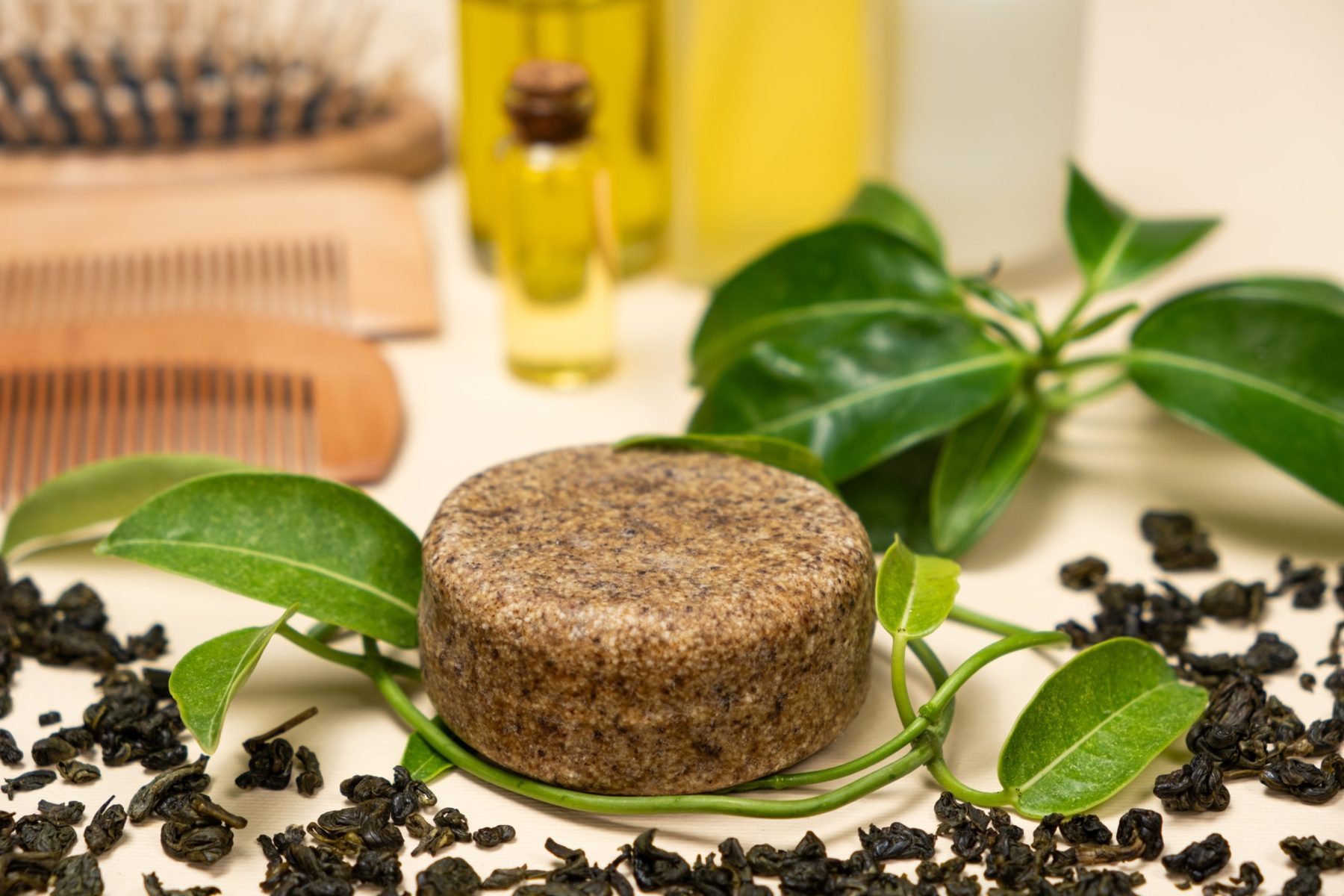
The category has changed faster than most brand owners expected. A few years ago, a solid hair cleanser was a specialty item, something you found at a craft fair or a single eco-focused shelf in a co-op. That is no longer the picture. Walk into a mainstream grocery chain today, and you will likely find a small but permanent set of bar formats sitting beside the bottles, often from brands you recognize.
For a contract manufacturer, this matters practically. We now field more calls from brands that are not “green” at all. Hospitality groups, established haircare lines testing a single SKU, and retailers building private-label ranges. The interest is broader than the sustainability story alone, and understanding why helps a brand decide whether a bar belongs in its lineup, and if so, how to build it.
What follows is a look at the conditions shaping this product class through 2026 and beyond, drawn in part from published market research and in part from what we see on the production floor. Some of these trends reinforce each other. A couple pulls in slightly different directions, which is honest, because the category is not as tidy as a trend piece would suggest.
A Market That Outgrew Its Niche Label
Let’s start with size because the numbers tell their own story, and the published figures vary enough to warrant a moment.
According to Fortune Business Insights (2025), the global category was valued at roughly USD 11.57 billion in 2025 and is projected to reach USD 12.16 billion in 2026, with a forecast climbing toward USD 19.23 billion by 2034 at a compound annual growth rate of about 5.9 percent. Grand View Research (2024) takes a different approach, estimating the segment at USD 14.57 billion in 2023 and projecting it to reach USD 24.59 billion by 2030 at a 7.7 percent rate. The estimates differ because research firms define and measure the category differently. What both agree on is direction: steady expansion, not a fad cooling off.
One detail stands out for U.S. brands in particular. North America consistently shows up as the largest regional contributor. Fortune Business Insights pegs the region near a 47.74 percent share in 2025, and Grand View Research’s 2023 report put it higher still. Whatever the exact figure, the takeaway holds. The largest pool of buyers for these products is in the United States and Canada, which is a useful context when MidSolid clients ask whether domestic demand can support a launch.
A note on terminology before we go further, since it shapes everything downstream. A “shampoo bar” is a loose term in retail. The product underneath it can be a true soap, a syndet bar built on synthetic detergents, or an extruded cleansing bar. These are not the same thing from a regulatory or formulation standpoint, and we will revisit that distinction more than once.
Plastic Reduction Moved From Values to Habit
The environmental argument is the one everybody knows, so I will keep it brief, but it has shifted in important ways. Buying a plastic-free product used to be a statement. Now, for a sizable group of shoppers, it is closer to a default. Research from P&G Beauty found that 75% of consumers want to buy more beauty products with packaging made from recycled material, and 65% already try to choose plastic-free packaging.
Solid formats answer this neatly. No bottle, often just a paper wrap or a small tin, sometimes nothing at all. The waterless nature of a bar also trims weight and shipping volume, which carries a quiet cost benefit that brand owners sometimes overlook until they see the freight math.
Here is the honest qualifier, though. Plastic reduction alone will not carry a product. Shoppers who buy a bar for the wrapper will not repurchase if it leaves their hair feeling waxy or stripped. The environmental hook opens the door; performance keeps the customer.
The Sulfate-Free and Gentle-Cleansing Pull
Ingredient scrutiny is the second trend, and it goes beyond packaging.
Grand View Research (2024) links category expansion directly to the rising demand for paraben-free and sulfate-free hair products. Shoppers read labels now. They have opinions, sometimes loosely informed ones, about what should and should not be in a cleanser. This is where the syndet bar earns its place.
A syndet, short for synthetic detergent, is built around milder surfactants rather than the alkali salts of a traditional soap. The practical result is a bar that cleans at a pH closer to what hair and scalp tolerate well, without the harshness some associate with older soap-based bars. For a brand chasing the “gentle” positioning, a well-built syndet formula is often the right technical answer. Brands exploring this route can review what a private-label shampoo formulation entails before committing to a direction.
A point on pH, since it comes up in shopper questions. Hair and scalp are generally slightly acidic, typically around 4.5 to 5.5. A formulation tuned toward that range tends to leave the cuticle smoother and reduce that rough, tangled feeling after a wash. True soap bars run alkaline, which is part of why some older bars got a mixed reputation. The category has largely solved this, but the choice of formulation is deliberate, not automatic.
Conditioning Caught Up
For a long time, the bar conversation was lopsided. Plenty of solid cleansers, far fewer credible solid conditioners. That gap has narrowed, and it is one of the more interesting developments we track.
Solid conditioner bars are harder to formulate well than cleansers. They rely on cationic conditioning agents and a fatty base that must remain firm at room temperature, yet release sufficient slip when wet. Get the balance wrong, and the bar either feels greasy or does nothing. Get it right,t and it performs comparably to a bottled rinse-out.
Brands building a full bar range now expect a matching conditioner, and shoppers increasingly buy the pair. A cleanser-only launch can feel incomplete on the shelf. If a brand is considering a two-product set, understanding how a solid conditioner is manufactured early on helps avoid a mismatched launch in which one product carries the other.
Why does this trend matter commercially? Because a paired range lifts average order value and gives a brand a fuller story to tell. One bar is a trial. Two bars are a routine.
Retail Shifted Where Bars Are Sold
Distribution is the fourth trend, and the data here is genuinely mixed, which is worth being upfront about.
Grand View Research (2024), measuring an earlier period and a different scope, found online channels leading in 2023. The disagreement is real and reflects how fast the channel mix is moving.
For a brand, the practical reading is this: both channels matter, and they demand different things from the product.
- Online sales lean on reviews, social proof, and content. The bar has to survive shipping without melting or crumbling, and the unboxing has to feel intentional.
- Offline retail rewards shelf presence. Packaging has to communicate quickly, because a shopper decides in seconds, and the format itself has to look trustworthy alongside familiar bottles.
- Hospitality and amenity channels follow their own logic entirely, favoring compact, single-use or short-stay sizing over retail polish.
A bar built only for one channel often struggles when a brand expands into another. We tend to recommend designing for durability and clarity from the start, even if the first launch is single-channel, because expansion is common and reformulating later is costly.
Travel-Ready Formats Found a Permanent Audience
Solid bars are leak-proof, lightweight, and not subject to liquid carry-on limits. That combination created a travel use case that proved sticky.
What began as a convenience for frequent flyers became a reason for hotels, gyms, and short-stay operators to look at solid amenities. A bar does not spill in a toiletry bag. It does not get confiscated at security. For a guest-facing business, it also reads as a thoughtful, lower-waste touch without much added cost. This is where hotel and amenity bar production intersects with the broader haircare trend, and it is a segment that grew quietly while the retail story got the attention.
The format detail matters here. An amenity bar is usually smaller, sometimes wrapped differently, and built for a handful of uses rather than 60-plus washes. A retail bar and an amenity bar are different products, even when their formulas overlap, and a manufacturer should be told upfront which one a brand actually wants.
Formulation Got More Sophisticated
Early bars were, to put it kindly, basic. The category has moved well past that.
Brands now ask for targeted formulations: bars for oily scalps, dry or damaged hair, color-treated hair, and fine hair that needs volume without residue.
This sophistication shows up in how the bar is made, too. There are two broad production routes worth knowing:
- Cold- or hot-process soap-based bars, which suit traditional formulations and decorative or melt-and-pour styles.
- Extruded syndet and cleansing bars, where the formula is mixed, milled, and press-formed into a dense, consistent bar.
The extrusion process tends to produce a harder, longer-lasting bar with tight batch-to-batch consistency, which is why it suits brands planning a serious retail run rather than a small artisan batch. Neither route is universally “better.” The right one depends on the formula, the claims, and the volume.
One genuine constraint a brand should hear early: minimum order quantities. At MidSolid, the MOQ is 5,000 bars, with a weekly capacity of around 35,000 bars. Those numbers are not arbitrary. Press-forming equipment and tooling make very small runs uneconomical, and they shape what an early-stage brand can realistically commit to.
Regulation Tightened, and That Is Not Bad News
This is the trend most brand owners underestimate, and as a manufacturer, we think it is one of the more important ones.
In the United States, cosmetics, including most shampoo and conditioner bars, are regulated by the FD&C Act, administered by the FDA. The Modernization of Cosmetics Regulation Act of 2022, commonly abbreviated as MoCRA, expanded the FDA’s authority considerably. It introduced facility registration, product listing, adverse event reporting, and a path toward mandatory good manufacturing practice requirements. The FDA was directed to establish those cosmetic GMP regulations, though as of early 2026 that rulemaking has been delayed well past its statutory deadline and is not yet finalized. You can read the FDA’s own primer on whether a product is a cosmetic, a drug, or a soap for the framework.
A few precise points brands should not get wrong:
- Soap has a narrow regulatory exemption, but it only applies to products composed mainly of alkali salts of fatty acids and labeled solely for cleansing. Most modern bars use synthetic detergents and therefore do not qualify as exempt “soap.” They are regulated as cosmetics.
- The moment a product makes a cosmetic claim, such as “moisturizing” or “smoothing,” it is firmly a cosmetic, not exempt soap, even if it would otherwise have qualified.
- A claim to treat a condition, for example, reducing dandruff as a therapeutic outcome, can push a product into drug classification, which is a far heavier regulatory category. Brands should avoid that language unless the product is genuinely developed and registered as an over-the-counter drug.
Why frame regulation as a positive trend? Because tighter rules raise the floor. A clearer compliance framework makes it harder for poorly made products to undercut serious brands, and it gives retailers and hospitality buyers more confidence in the category. Working with a manufacturer that already operates in accordance with GMP expectations turns compliance from a scramble into routine.
There is also the “organic” question, which trips brands up constantly. A product cannot casually claim “organic.” Organic claims on agricultural ingredients in cosmetics generally require USDA National Organic Program certification. “Natural,” by contrast, has no fixed legal definition, which is exactly why we advise brands not to lean on it as a core claim. The FTC’s guidance on environmental and product claims applies here too; descriptions need to be truthful and substantiated, not aspirational. The FTC’s resources on truthful advertising and labeling claims are the right reference point.
Established Brands Validated the Category
The final trend is competitive, and it works in favor of newer brands more than they sometimes realize.
Major players have entered. Garnier, under L’Oréal, launched plant-forward bars. Procter & Gamble has run refill and bar campaigns and brought bars to brands like Pantene and Herbal Essences. When large companies invest in a format, they spend heavily on educating shoppers. They explain how to use a bar, how to store it, and how long it lasts. That education benefits everyone, including the small brand on the next shelf. A newer label no longer has to teach the basics from scratch.
The flip side is straightforward. A crowded category means a generic bar will not stand out. Differentiation has to come from formulation, a specific hair-type focus, packaging that earns a second look, or a credible claim that holds up. “We make a shampoo bar” is no longer a position. “We make the bar for color-treated curly hair that does not strip” is closer to one.
Quick Reference: The Eight Trends at a Glance
The table below pulls the threads together and outlines the practical implications for a brand considering a launch.
| Trend | What It Means | Brand Implication |
| Market expansion | Steady multi-year growth across major research firms | Category is durable, not a fad |
| Plastic reduction | Plastic-free is now a default expectation for many buyers | Opens the door; will not carry the product alone |
| Sulfate-free pull | Label scrutiny favors gentle, milder cleansing systems | Syndet formulation is often the right technical route |
| Conditioning parity | Solid conditioners now perform credibly | Plan a paired range, not a cleanser alone |
| Retail channel shift | Both offline and online matter, with different needs | Design for durability and shelf clarity from day one |
| Travel and amenity demand | Leak-proof format suits hospitality and travel use | Amenity sizing differs from retail; specify early |
| Regulatory tightening | MoCRA expanded FDA oversight of cosmetics | Compliance and accurate claims are non-negotiable |
| Big-brand validation | Major companies educated the market | Differentiation, not novelty, wins shelf space |
Where This Leaves a Brand in 2026
Pulling back, the picture is encouraging but not effortless. The category has real momentum, a large and established North American buyer base, and enough mainstream validation that a new brand need not fight skepticism about the format itself.
What it does demand is seriousness. A bar that performs. A formulation matched to a real hair-type need. Claims that are accurate and compliant. A production partner that understands the difference between a true soap, a syndet bar, and an extruded cleanser, and that builds to the channel a brand actually intends to sell through. The brands struggling in this space are rarely struggling because of demand. They struggle because the product, the claims, or the channel fit was not thought through.
That is, in our experience, the whole game. The trend is here. Whether a given brand benefits from it depends on execution.
Talk to a Manufacturer Before You Commit
If a solid bar launch is on the table for 2026, the smartest first step is to have a conversation about formulation, format, and volume before any of those decisions are locked in. MidSolid Press & Pour works with indie beauty brands, established haircare lines, retailers, and hospitality groups to build bars that perform and comply with regulations.
Explore how a dedicated shampoo bar production setup handles retail-scale runs, see how a matching conditioner bar line keeps a paired range consistent, then get in touch to map a realistic path from idea to finished bar.
Frequently Asked Questions
What are the downsides of shampoo bars?
The most common complaint is an adjustment period. Some users notice a waxy or filmy feeling during the first few washes, often due to hair adapting or to a poorly formulated bar. Soap-based bars run alkaline, which can leave hair rough, so formulation choice matters. Bars also need a draining dish to last, since sitting in water shortens their life considerably. Hard-water areas can worsen residue. A well-built syndet bar avoids most of these issues, but cheaper bars expose them quickly, and that gap shows up fast in reviews.
What is the trend in the shampoo market?
The wider shampoo market is moving toward concentrated, lower-water, and lower-plastic formats, with bars as the most visible expression of that change. Brands are also responding to label scrutiny, favoring milder surfactant systems and clearer ingredient communication. Targeted products tailored to specific hair types and scalp conditions are outperforming generic offerings. Alongside this, regulatory oversight of cosmetics has tightened in the United States under MoCRA, pushing the whole market toward better documentation, accurate claims, and stricter manufacturing standards.
Are shampoo bars trending?
Yes, and the evidence is more than anecdotal. Multiple independent research firms project steady multi-year growth for the category, and North America consistently appears as the largest regional buyer base. Major companies, including L’Oréal and Procter & Gamble, have launched bar products, while specialist brands have built entire businesses on the format. The trend has matured past novelty into a permanent product class. The open question for any single brand is not whether demand exists, but whether its specific product is well-made enough to capture it.
Which type of type of shampoo most closely matches the ideal pH of hair?
Hair and scalp are slightly acidic, typically around 4.5 to 5.5. Syndet bars, built on synthetic detergents rather than alkali salts, can be formulated to clean at or near that range, which helps keep the hair cuticle smooth. Traditional soap-based bars run alkaline, often well above pH 9, which is why they sometimes leave hair feeling rough. A pH-balanced liquid or syndet formulation generally aligns more closely with what hair tolerates well.