


Solid Shampoo and Conditioner
10 Supply Chain Factors Every Private Label Hair Care Brand Should Vet
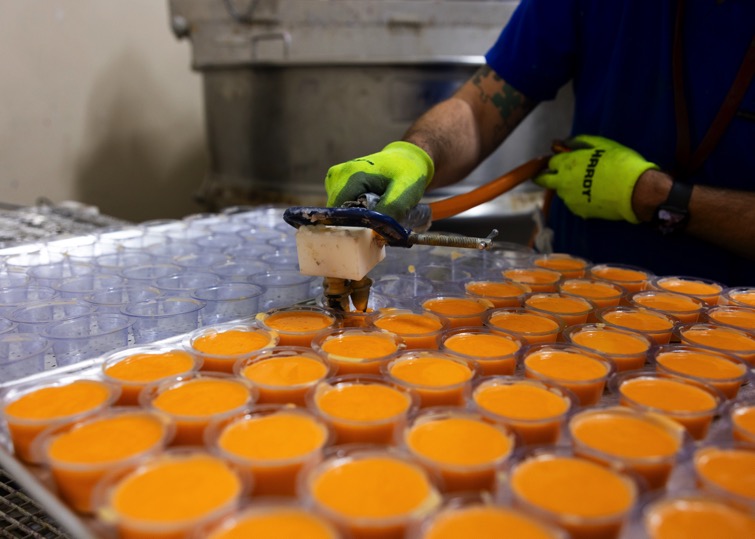
Building a hair care line under your own label sounds straightforward on paper. Find a manufacturer, choose a formula, slap your logo on the bottle, and start selling. In practice, the path from concept to retail shelf involves a tangle of sourcing decisions, compliance checkpoints, and logistical hurdles that can quietly erode your margins or delay a launch by months.
This page breaks down the operational and strategic details that brand founders often overlook. Whether you are preparing to launch shampoos, conditioners, solid shampoo bars, or specialty treatments, these ten areas deserve careful attention before you commit to a production partner.
Raw Material Sourcing and Ingredient Transparency
The ingredients inside your products determine everything: performance, shelf life, regulatory status, and consumer trust. Yet many emerging brands treat sourcing as the manufacturer’s problem. That is a mistake.
Where Do the Ingredients Come From?
Ask your prospective manufacturer to share the origin of key raw materials. Surfactants, botanical extracts, essential oils, and specialty actives each carry different supply chain vulnerabilities. A single-source botanical from a politically unstable region, for instance, can disappear from the market overnight. Dual-sourcing strategies reduce that exposure.
Ingredient Documentation and Certificates of Analysis
Each raw material batch should include a Certificate of Analysis (COA) from the supplier. COAs confirm identity, purity, heavy-metal levels, and microbiological safety. Brands that skip this step risk contamination or formulation inconsistencies that may not surface until products reach consumers.
- Request COAs for every active ingredient and surfactant in your formula
- Confirm that your manufacturer re-tests incoming raw materials, not just relies on supplier paperwork
- Ask whether the facility tracks lot numbers from raw material receipt through finished goods
- Verify that fragrance and color additives comply with current FDA restrictions under the FD&C Act
- Check if botanical or “natural” ingredients carry independent third-party verification
- Clarify whether the manufacturer maintains a secondary supplier for critical ingredients
- Ask about the shelf life of raw materials held in inventory before blending
Ingredient transparency is not only about product quality. Under the Modernization of Cosmetics Regulation Act of 2022 (MoCRA), responsible persons must list each marketed cosmetic product with the FDA, including a full ingredient disclosure. Your manufacturer’s documentation practices directly affect your ability to meet those listing requirements.
Allergens, Restricted Substances, and Claims
If your products will contain fragrance, be aware that the FDA is actively developing fragrance allergen disclosure rules under MoCRA, aiming to align more closely with EU requirements. Brands that start tracking fragrance allergens now will be better prepared when those rules take effect.
Products marketed with “natural” claims on agricultural ingredients must meet USDA National Organic Program (NOP) certification standards. “Natural” is a less regulated term, but it is not interchangeable with “organic.” Conflating the two invites FTC scrutiny and erodes credibility with informed consumers.
Regulatory Compliance and Facility Certifications
Regulatory compliance is not a one-time checkbox. It is a continuous operational commitment, and the landscape for cosmetic products in the USA is shifting rapidly.
MoCRA and What It Means for Your Brand
MoCRA represents the most significant expansion of FDA authority over cosmetics since 1938. As of mid-2024, facility registration and product listing requirements are being enforced. The law also mandates reporting serious adverse events within 15 days, safety substantiation for every product, and, eventually, formal Good Manufacturing Practice (GMP) regulations.
- Confirm that your manufacturer’s facility is registered with the FDA under MoCRA.
- Ask whether the facility has submitted product listings for all items they produce
- Verify that the manufacturer maintains adverse event reporting procedures
- Determine how the facility documents safety substantiation for each formulation
- Ask whether they have a designated “responsible person” as defined under MoCRA
- Request evidence of internal quality audits conducted at least annually
Even though the FDA has delayed the final GMP rule (now classified as a “long-term action” in the Fall 2025 Unified Agenda), manufacturers that already follow ISO 22716 or equivalent cosmetic GMP frameworks will be better positioned when the rule does arrive.
Certifications to Ask About
Not all certifications carry the same weight. A GMP-ISO certified facility signals a baseline commitment to documented processes, but you should also ask about:
- Cruelty-free certifications (Leaping Bunny or PETA programs)
- USDA NOP organic certification for products making organic claims
- NSF or similar independent auditing for specific product categories
- Any additional state-level requirements that apply to your distribution footprint
Cosmetic manufacturers operating in the USA must also comply with FTC guidelines around advertising and labeling claims. If your product labels promise “sulfate-free,” “paraben-free,” or “dermatologist tested,” each claim needs documented substantiation.
Minimum Order Quantities and Production Flexibility
Minimum order quantities (MOQs) are one of the first practical barriers new brands face. They shape your cash flow, inventory risk, and launch timeline.
How MOQs Affect Your Business Model
A manufacturer with a 50,000-unit minimum may offer better per-unit pricing, but that only matters if you can sell 50,000 units before the product expires. For brands just entering the salon or DTC market, a lower MOQ, even at a higher unit cost, often makes more financial sense.
- Ask about MOQs for both finished goods and individual SKUs
- Clarify whether the quoted MOQ applies to a single product or across your entire order
- Determine if MOQs change based on packaging format (bottles vs. jars vs. bars vs. tubes)
- Find out how quickly the manufacturer can adjust production volumes as your brand grows
- Ask whether they offer a pilot run option for new formulations before committing to a full order
Some manufacturers offer wholesale pricing tiers that unlock at specific volume thresholds. Understanding those breakpoints early helps you plan purchasing cycles and promotional strategies around them.
Scaling Without Switching Partners
The worst-case scenario is outgrowing your manufacturer six months after launch and having to restart the qualification process with a new partner. Before you sign, ask about capacity ceilings. Can they handle 10x your current order within their existing equipment and staffing? What is their weekly or monthly throughput?
For context, a mid-scale contract manufacturer specializing in extruded solid bars might produce 35,000 units per week. Knowing those numbers upfront prevents awkward conversations later.
Formulation Development: Custom vs. Pre-Made
The distinction between custom formulation and pre-made (white-label) products is critical and frequently misunderstood.
Private Label vs. White Label, Clarified
Private label typically refers to a custom formulation developed for a single brand. White label refers to pre-made formulations that the manufacturer rebrands for multiple clients. Both models have a place in the market, but they carry very different implications for product differentiation, intellectual property, and cost.
- Private label formulations offer exclusivity but require longer development timelines and higher upfront costs
- White-label options let you launch faster, though your competitors may sell a nearly identical product.
- Ask whether the manufacturer retains ownership of the formula or if the brand does
- Clarify what happens to your custom formula if you leave the manufacturer
- Determine whether the manufacturer will sign a non-disclosure agreement covering your formulation details
Stability Testing and Shelf Life
Any new or modified formulation should undergo stability testing before reaching consumers. Accelerated stability studies expose the product to elevated temperatures and humidity to predict how it will perform over its intended shelf life. Real-time stability studies run in parallel, confirming those predictions over months.
- Request documentation of stability protocols for your specific formulations
- Ask how long accelerated testing takes before a product is approved for production.
- Confirm that the manufacturer conducts preservative efficacy (challenge) testing.g
- Determine who bears the cost if a formula fails stability and requires reformulation.
- Check if the manufacturer tests finished goods in their final packaging, not just in a lab container.s
Skipping this step is a common shortcut that leads to returns, complaints, and brand damage. In our experience, brands that invest in proper stability work upfront avoid far costlier problems after launch.
Product Packaging and Labeling Lead Times
Packaging is where many launches stall. Lead times for custom bottles, closures, labels, and secondary packaging (boxes, inserts, shrink bands) can stretch well beyond what new founders expect.
Component Sourcing Timelines
A standard stock bottle with a screen-printed label might ship in four to six weeks. A custom mold for a unique bottle shape can take 12 to 16 weeks, plus sampling and approval cycles. If your products use sustainable or post-consumer recycled (PCR) materials, add more time, as these components often have longer lead times and tighter supply windows.
- Get written packaging lead time estimates before finalizing your launch date.
- Ask whether the manufacturer handles component sourcing or if you must supply your own
- Clarify who manages artwork files, dieline creation, and print proofs
- Request a sample of the finished product in its final packaging before approving a full run
- Find out what happens if a packaging component is delayed; does the entire order wait, or can filling proceed with interim packaging?
- Confirm the minimum order quantities for packaging components separately from those for finished goods.
Labeling Compliance
Your product label is a regulatory document, not just a marketing asset. Under the FD&C Act and FTC guidelines, labels for hair care products must include:
- Product identity and net quantity
- Ingredient list in descending order of predominance (following INCI naming conventions)
- Name and address of the manufacturer, packer, or distributor
- Required warnings (if applicable)
- Contact information for the responsible person, as now required under MoCRA
If you are selling conditioning bars or similar solid products, the packaging format itself may limit the space available for required label information. Planning for this early avoids costly reprints.
Quality Control Across the Production Cycle
Quality is not a single inspection at the end of the filling line. It is a series of checkpoints, from raw material receipt through finished goods release.
In-Process Quality Checks
A credible manufacturer will conduct in-process checks at several stages:
- Incoming raw material inspection and COA verification
- Pre-production equipment sanitation confirmation
- In-process weight, pH, viscosity, and color checks during blending
- Filling line checks for fill volume accuracy, cap torque, and label placement
- Post-fill visual inspection and microbiological hold testing on finished batches
- Retention samples are stored from each production lot for reference and troubleshooting
Third-Party Testing
In-house testing is necessary but not always sufficient. Independent, third-party lab testing adds credibility, especially if you plan to sell through retailers with their own vendor compliance programs. Many large retailers require third-party test results as a condition of onboarding.
- Ask whether the manufacturer uses an accredited third-party lab for finished goods testing
- Clarify who pays for third-party testing and how results are shared
- Determine whether the manufacturer will support retailer-specific compliance audits
| Supply Chain Area | Key Question to Ask | Red Flag If Missing |
| Raw material sourcing | Do you dual-source critical ingredients? | Single-source dependency on volatile-region suppliers |
| Facility registration | Is your facility registered under MoCRA? | No FDA registration or product listings |
| MOQs and production flexibility | Can you handle 10x my current order? | Rigid MOQs with no pilot run option |
| Formulation ownership | Who owns the custom formula? | Manufacturer retains all IP rights |
| Stability testing | Do you conduct accelerated and real-time testing? | No stability data available for the formula |
| Packaging lead times | What is the timeline for custom components? | No written lead time estimates |
| Quality control | What in-process checks do you perform? | No documentation of in-process testing |
| Labeling compliance | Do labels meet MoCRA contact info requirements? | No regulatory review of label artwork |
| Logistics and shipping | How do you handle damaged goods in transit? | No clear damage or shortage claim process |
| Supplier risk management | Do you have contingency plans for disruptions? | No backup suppliers or disaster recovery plan |
Logistics, Warehousing, and Shipping
Getting products made is only half the operational challenge. Getting them from the factory to your warehouse, retailer, or customer’s doorstep introduces its own set of variables.
Freight and Fulfillment Considerations
Liquid hair care products are heavy. Shipping costs can quickly eat into margins, especially for brands fulfilling DTC orders with free shipping promises. Solid formats, like shave soap bars and pressed shampoo bars, weigh less per unit and cost less to ship, which is one reason the solid bar category continues to grow.
- Ask your manufacturer about shipping options: FOB factory, delivered to your warehouse, or drop-ship directly to retailers.
- Clarify pallet configuration and case pack quantities to optimize freight costs.
- Determine whether the manufacturer offers warehousing or fulfillment services.
- Find out how damaged goods are handled; who files the freight claim, and who absorbs the loss?
- Ask about temperature sensitivity during transit, especially for products containing natural oils or butters that may melt or separate.
Inventory Planning and Demand Forecasting
Running out of stock is expensive. So is sitting on excess inventory that ties up cash and risks expiration. A strong manufacturing partner will help you plan production schedules around your projected demand, seasonal peaks, and promotional calendars.
- Share your sales forecasts with your manufacturer quarterly, at a minimum
- Ask about reorder lead times once a formula and packaging are established
- Build in safety stock levels to buffer against unexpected demand spikes or supply disruptions
- Ask whether the manufacturer holds any finished goods inventory on your behalf
Supplier Risk Management and Contingency Planning
Supply chain disruptions are not theoretical. The beauty industry has experienced raw material shortages, packaging bottlenecks, and freight delays with increasing frequency over the past several years.
Identifying Your Vulnerabilities
Every supply chain has weak points. Perhaps your hero ingredient comes from a single farm cooperative. Maybe your unique bottle is produced by one mold house. These concentration points represent supplier risk, and your job is to identify and reduce them before they become emergencies.
- Map your entire supply chain, from raw material origins to final delivery
- Identify any single points of failure and develop backup strategies
- Ask your manufacturer what contingency plans they maintain for their own operations
- Determine whether they carry business interruption insurance
- Ask how they handled disruptions during recent global shipping slowdowns
Protecting Your Brand Through Contracts
Your manufacturing agreement should address more than pricing and payment terms. A well-drafted contract also covers:
- Intellectual property ownership for custom formulations
- Confidentiality obligations
- Quality standards and testing requirements
- Remedies for defective products or missed delivery dates
- Termination provisions and transition assistance
- Insurance requirements and liability allocation
An attorney familiar with cosmetic manufacturing contracts is a worthwhile investment before you sign anything.
Turnkey Partners vs. Specialized Providers
Some manufacturers describe themselves as turnkey partners, meaning they handle everything from formulation through hot pour production, filling, packaging, labeling, and sometimes even warehousing and fulfillment. Others specialize in one or two stages of the process.
Pros and Cons of Each Model
A turnkey provider simplifies your operational workload. You have one point of contact, one invoice, and one relationship to manage. That efficiency comes at a cost, though. Turnkey manufacturers often charge a premium for the convenience, and you may have less control over individual process steps.
Working with specialized providers, where one company formulates, another fills, and a third handles packaging, gives you more flexibility and sometimes better pricing across segments. But it also means more coordination, more potential failure points, and more contracts to manage.
- Evaluate which model fits your current team size and operational capacity
- Consider starting with a turnkey partner and unbundling specific functions as you grow
- Ask turnkey providers how they handle each stage internally; some subcontract portions of the work without disclosing it
- Clarify whether a turnkey fee includes all production steps or if there are additional charges for artwork, tooling, or testing
Evaluating a Manufacturing Partner Holistically
Beyond price and capacity, consider the cultural fit. Does the manufacturer communicate proactively when problems arise? Do they return emails within 24 hours? Are they willing to share references from brands at a similar stage to yours? A manufacturer who excels with Fortune 500 brands may not give your startup the attention it needs, and vice versa.
- Request client references at your expected order volume
- Visit the facility if at all possible; a clean, organized production floor tells you a lot
- Ask about their production line for your specific product format
- Gauge their enthusiasm for your brand category and growth vision
- Confirm that their communication style matches your expectations
Sustainability, Ethics, and Brand Alignment
Consumers in the hair care space increasingly reward brands that demonstrate environmental and social responsibility. But sustainability claims carry the same burden of proof as any other marketing statement.
Avoiding Greenwashing
The FTC’s Green Guides outline how environmental marketing claims should be substantiated. Vague claims like “eco-friendly” or “green” without specific, verifiable backing can trigger regulatory action. Instead, focus on concrete, measurable commitments:
- Percentage of post-consumer recycled content in packaging
- Specific certifications (FSC for paper packaging, How2Recycle labeling, etc.)
- Carbon offset programs with third-party verified credits
- Water usage reduction targets at the manufacturing facility
- Cruelty-free status verified through recognized certification programs
- Ingredient sourcing from fair trade or responsibly managed supply chains
- Reduced weight and volume in shipping (solid formats excel here)
Ethical Sourcing and Labor Practices
Your supply chain extends beyond your direct manufacturer. The farms, mines, and processing facilities that produce raw materials also reflect on your brand. Brands targeting premium or conscious consumers should ask about:
- Supplier codes of conduct
- Third-party social compliance audits
- Palm oil sourcing policies (RSPO certification, if applicable)
- Mica sourcing transparency, given documented child labor concerns in some supply chains
- Fair wage certifications or commitments at the manufacturing facility level
For brands exploring solid hair care formats, melt-and-pour soap and syndet bar categories offer a smaller environmental footprint due to reduced water content, lighter shipping weight, and less plastic packaging.
Frequently Asked Questions
What products are good for private labeling?
Hair care is one of the strongest private labeling categories because consumers repurchase these items regularly, creating predictable revenue cycles. Shampoos and conditioners remain the highest-volume entries, but solid bars, scalp treatments, styling products, and leave-in treatments are growing fast. Products that solve a specific problem, such as color protection, curl definition, or thinning coverage, tend to perform better than generic “all-purpose” items. For brands considering the hospitality channel, guest soap and amenity bars offer an accessible entry point with consistent reorder rates.
How to choose a private label manufacturer?
Start by defining your product format, target volume, and budget. Then evaluate potential partners on five criteria: regulatory status (FDA-registered, current with MoCRA requirements), formulation capability (custom development vs. stock formulas), production capacity relative to your growth projections, communication responsiveness, and willingness to provide references from brands at a comparable stage. Visit the facility whenever feasible. Review their quality documentation, including COAs, batch records, and stability data. A strong manufacturer will welcome this level of due diligence rather than deflect your questions.
What are some examples of private label brands?
Private label brands span every price tier in hair care. Many salon-exclusive product lines are manufactured by contract partners and sold under the salon’s own label. Large retailers like Target (with its “Everspring” and “Kristin Ess” lines), Amazon (with “Solimo”), and Costco (with “Kirkland Signature”) all operate private label programs that include hair care products. In the indie and DTC space, hundreds of emerging brands work with specialized cosmetic manufacturers to produce everything from sulfate-free shampoos to bond-repair treatments. The common thread is that none of these brands owns their own factories, but they do control their formulations, branding, and customer relationships.
Ready to Build Your Hair Care Brand the Right Way?
Sourcing, compliance, and production planning can feel overwhelming, especially during a first product launch. MidSolid Press & Pour works with indie brands, established retailers, and hospitality companies to manufacture solid hair care and personal care products in Douglas County, Colorado. From conditioner bar production to custom formulation development, we handle the operational complexity so you can focus on growing your brand.
Reach out to our team to discuss your project, request samples, or get a quote. We are happy to walk you through every step of the process.