


Solid Shampoo and Conditioner
How to Test Market Demand Before You Scale Shampoo Bar Production
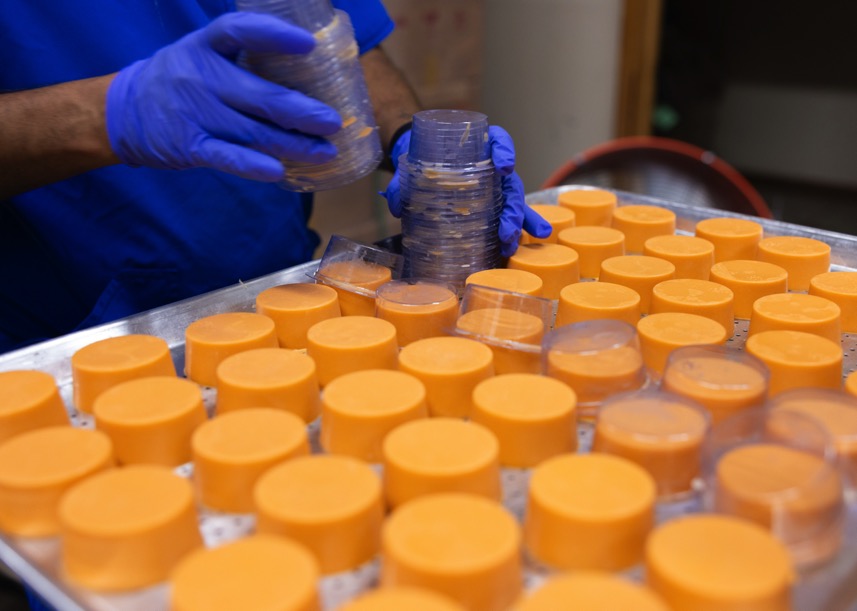
Launching a new solid shampoo formula is exciting. Scaling it without evidence of buyer interest? That’s where things get expensive, fast. The global shampoo bar market was valued at roughly $11.57 billion in 2025, and projections suggest it could reach over $19 billion by 2034. Growth like that attracts many brands, which means the barrier to entry feels low, but the cost of getting it wrong keeps rising.
Before you invest in a full production run, through a contract shampoo manufacturer or your own facility, it pays to confirm that real people will actually pay for what you’re creating. The methods below aren’t theoretical. They’re practical, field-tested approaches that indie brands and established retailers alike use to reduce risk before committing serious capital.
Start With Consumer Surveys and Structured Feedback
Online surveys distributed through targeted channels remain one of the most accessible ways to gauge interest. Tools like Typeform, Google Forms, or SurveyMonkey let you reach your target market quickly and affordably. But here’s the thing: surveys are only as good as the questions you ask.
- Frame questions around purchasing behavior, not just preference (“Would you buy this?” versus “Do you like this?”)
- Include pricing scenarios to see where willingness drops off
- Keep surveys short, ideally under 10 questions, to improve completion rates
- Distribute through relevant beauty forums, social media groups, and email lists
Survey responses give you directional data. They won’t tell you everything, but they’ll flag obvious misalignments between your formula concept and what buyers actually want. A great way to increase response quality is to screen participants by hair type or current product usage.
Run a Pre-Order or Crowdfunding Campaign
Nothing confirms customer demand quite like asking people to put money down. Pre-orders and crowdfunding campaigns on platforms like Kickstarter or Indiegogo force potential customers to act, not just express interest. That distinction matters enormously.
A successful campaign tells you three things simultaneously: the price point resonates, the positioning works, and enough people care to fund initial production. Even a modest campaign that meets its goal is a powerful form of validation. Brands in the solid hair care space have used this approach to fund everything from specialty formulas to full product lines.
If you’re working with a contract manufacturer, a completed crowdfunding round also gives you leverage when negotiating terms and timelines.
Use Landing Pages and “Fake Door” Experiments
This is one of the more underrated approaches. Build a simple landing page that showcases your product concept, including benefits, ingredient highlights, and a clear call to action. The twist: your product doesn’t need to exist yet.
- Drive traffic through paid social ads or organic content
- Track click-through rates, email signups, and add-to-cart actions
- Measure conversion against ad spend to estimate real interest
The data from a landing page experiment is remarkably telling. If people click “Buy Now” or join a waitlist at a healthy rate, you have strong evidence of demand. If traffic bounces, your messaging or concept may need to be rethought before you scale.
Sell at Farmers Markets, Pop-Ups, and Trade Shows
Digital validation has its limits. Sometimes you need real-world feedback from people holding your product in their hands. Farmers’ markets, craft fairs, and industry trade shows put you face-to-face with buyers who will tell you, often quite bluntly, what they think.
- Observe which scents, sizes, or packaging formats attract the most attention
- Note the questions people ask; these reveal gaps in your branding or messaging
- Track actual sales volume across multiple events to spot patterns
For solid hair care bars and related products, in-person selling also lets you educate consumers who may be unfamiliar with the format. That education component is valuable research in its own right.
Analyze Search Trends and Competitor Activity
Before you build anything, look at what people are already searching for. Google Trends, keyword research tools, and social listening platforms reveal whether interest in your product category is rising, flat, or declining.
| Validation Method | Cost Level | Speed | Best For |
| Consumer surveys | Low | Fast | Early concept screening |
| Pre-orders / crowdfunding | Low-Medium | Medium | Confirming willingness to pay |
| Landing page experiments | Low-Medium | Fast | Measuring click-through intent |
| Farmers markets/pop-ups | Medium | Slow | Gathering real-world feedback |
| Search trend analysis | Free-Low | Fast | Category-level demand signals |
| Focus groups | Medium-High | Slow | Deep qualitative insight |
| Social media polling | Free | Fast | Quick directional reads |
| Competitor product reviews | Free | Fast | Identifying gaps and pain points |
| Small-batch trial runs | Medium-High | Medium | Testing product-market fit |
| Retailer conversations | Free | Varies | Channel-level interest signals |
Studying competitors in the shampoo bar space is equally important. Read their product reviews on Amazon, Sephora, or niche beauty retailers. What are customers praising? What complaints keep surfacing? Those pain points are opportunities for your formulation to stand out, especially if your bars address specific needs like hard-water performance, color protection, or scalp sensitivity.
Other companies in this space often reveal their positioning weaknesses through their own customer feedback. Use that intelligence to refine your concept before committing to a large order.
Conduct Focus Groups and In-Depth Interviews
If surveys give you breadth, focus groups give you depth. Gathering a small, curated group of potential customers, whether in person or via video call, lets you explore reactions to your product concept, packaging, pricing, and branding in real time.
Focus groups are particularly valuable for beauty and personal care products because sensory experience matters so much. Letting participants handle a sample bar, smell it, lather with it, and describe the experience generates insights that no online form can replicate.
In our experience, brands that invest in qualitative research before scaling tend to make fewer costly pivots later. The feedback isn’t always comfortable. Sometimes your favorite fragrance blend is the one nobody likes. But that’s precisely the point.
Test Small Batches Through Existing Retail or DTC Channels
Rather than guessing at full-scale volumes, consider a limited production run distributed through select channels. If you already sell direct-to-consumer online, add the new formula as a limited edition. If you have retail partnerships, ask whether they’d stock a trial quantity.
- Monitor sell-through rates over a defined period
- Collect post-purchase feedback via email follow-ups
- Compare performance against existing SKUs in your lineup
This approach bridges the gap between market research and actual commerce. It’s one thing for someone to say they’d buy your conditioning bar or solid shampoo. It’s another for them to reorder.
A small-batch trial also tests your supply chain. Can your manufacturer deliver consistent quality at a modest volume before you scale to thousands of units? That’s an important operational question, not just a marketing one.
Talk to Retailers and Distributors Directly
Here’s a step many brands skip: simply asking the people who would stock your product whether they see a fit. Retailers, distributors, and hospitality buyers have frontline knowledge of what’s selling, what’s oversaturated, and what gaps exist on their shelves.
A 15-minute conversation with a buyer at a regional grocery chain or a hotel amenity procurement manager can reveal more about commercial viability than weeks of online research. Their perspective is grounded in what actually moves off the shelves, not in what looks good on a pitch deck.
These conversations also open doors. A distributor who expresses genuine interest in your concept might become your first channel partner once the product is ready.
Frequently Asked Questions
What are the 10 things that can be marketed?
Broadly, marketable categories include physical goods, services, experiences, events, people and personal brands, places and destinations, organizations, information and educational content, ideas or social causes, and digital properties like apps or subscriptions. Within the beauty industry, items ranging from formulated hair-care bars to brand licensing agreements and hospitality amenity programs all fall within marketable categories. Each requires its own positioning strategy and audience identification process to succeed commercially.
How to test market demand for a product?
The most reliable approach combines several techniques rather than relying on a single data point. Start by analyzing search volume and social conversation around your category. Follow that with structured consumer surveys targeting your ideal buyer profile. Then move on to behavioral experiments, such as pre-orders, landing-page signups, or small-batch trial sales. Layer quantitative findings with qualitative insights from focus groups or one-on-one buyer interviews. This multi-step process gives you confidence across different types of evidence.
How to check for market demand?
Checking for commercial interest starts with keyword and search-trend tools that reveal how many people actively search for products like yours. Social media platforms and beauty-focused communities provide sentiment data indicating whether conversations lean positive, negative, or neutral toward your category. Competitor review analysis on retail platforms surfaces unmet needs and recurring complaints. Finally, direct outreach through email lists or industry events gives you firsthand buyer signals that pure data analysis can miss.
What are the methods of test marketing?
Common approaches include controlled store testing, in which a product launches in select retail locations before a wider rollout. Simulated shopping environments replicate buying decisions in a research setting. Online A/B testing compares different product presentations, pricing, or messaging to measure response. Pre-launch crowdfunding campaigns confirm willingness to pay before manufacturing begins. Sample distribution programs gather usage feedback from a defined group. Each method serves a different stage in the validation process, from early concept screening through full commercial readiness.
Ready to Move From Validation to Production?
Once your research confirms genuine buyer interest, the next step is to find a manufacturing partner who can bring your formula to life at scale. MidSolid Press & Pour works with indie brands, established retailers, and hospitality companies to produce solid shampoo bars, syndet formulations, and related solid haircare products at our Douglas County, Colorado facility. Whether you need a custom formulation or a white-label solution, get in touch to discuss your project and production timeline.