


Solid Shampoo and Conditioner
What Brands Need to Know About MoCRA Before Launching Solid Hair Care
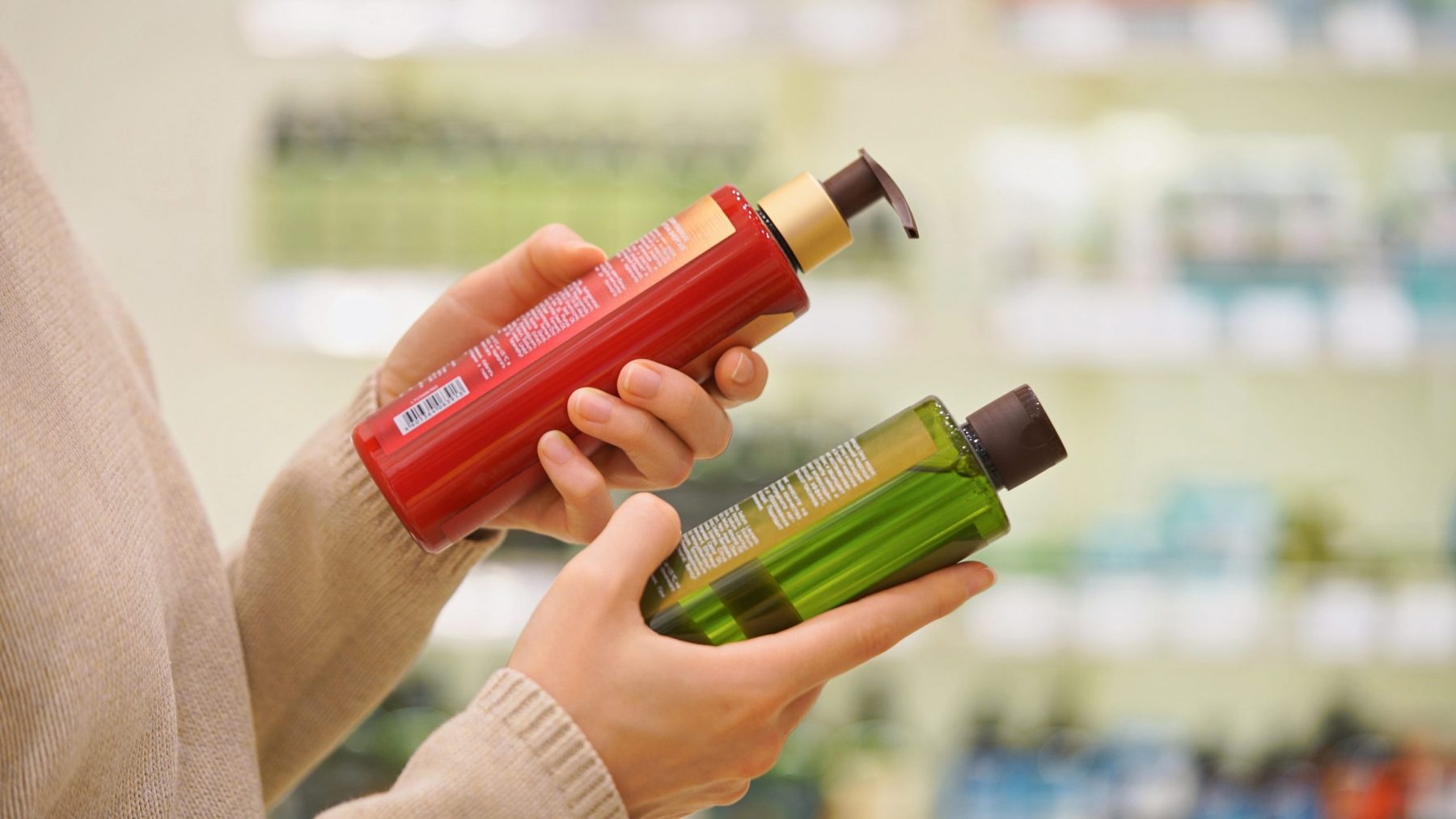
The Modernization of Cosmetics Regulation Act of 2022, better known as MoCRA, sits at the center of nearly every conversation we have with new hair care brands these days. It is the largest update to federal cosmetics oversight since 1938, and it changed the rules for everyone who makes, sells, or imports a shampoo or conditioner bar in the United States. Under MoCRA, the FDA gained recall authority, facility registration requirements, improved labeling rules, and serious adverse event reporting obligations.
If you are launching a solid shampoo bar line or expanding into bars from a liquid range, the regulatory ground has shifted under your feet. Some of it is settled. Some of it is still moving. Either way, the brand carries the legal weight, not the supplier, so there is no way to skip this conversation.
Below are 10 things we wish every brand would already know when walking into our facility.
1. Solid Shampoo and Conditioner Bars Are Cosmetics, Not Soap
This trips up more founders than you would think. Just because a product looks like a bar of soap does not mean it is one in the eyes of the FDA. Synthetic detergent bars are considered cosmetics, even when labeled as “soap,” and any product that makes cosmetic claims, such as moisturizing or deodorizing, is also a cosmetic.
Most solid hair care bars are syndet-based, meaning they rely on synthetic surfactants rather than saponified oils. That puts them firmly inside MoCRA’s scope, with all of the registration and listing duties that follow. The “true soap” exemption rarely applies to a hair care bar. Worth pausing on before you build a brand around the wrong assumption.
2. Facility Registration Is on Your Producer, but Verify It
Existing facilities and processors should have registered by July 1, 2024, and contract manufacturers are also required to register, with all registrations renewed biennially. Your producer holds this duty, not you. But you still want proof.
Ask before you sign anything:
- The producer’s FDA Establishment Identifier number
- Confirmation that registration is current and renewed within the two-year window
- Written acknowledgment of who the Responsible Person is for each SKU
The FDA has adopted the FEI as the required registration number, and procurement teams should verify that any potential producer already possesses an active FEI as a non-negotiable check against supplier risk. A single missing FEI can stall an entire launch.
3. Product Listing Sits With the Responsible Person
This is the part most brands miss. Facility registration covers the building. The product listing covers each SKU, and that responsibility falls to whoever appears on the label.
The regulatory burden falls primarily on the Responsible Person, the entity named on the product label, including making sure that the product is listed and that the facility where it is manufactured is registered. If your brand name is on the bar, you are almost certainly the Responsible Person. Some brands assume their producer handles the listing as a courtesy. Some producers do. Some do not. Get it in writing.
4. Labels Now Carry More Weight Than Ever
Shampoo bar packaging is inherently small, which makes MoCRA labeling rules genuinely tricky. The required elements include:
- An identity statement (e.g., “shampoo bar”)
- Net quantity of contents in weight, since the bar is solid
- Ingredient declaration in descending order using INCI names
- Domestic contact information for adverse event reporting
- Fragrance allergen disclosure as the rule rolls out
From December 29, 2024, product labels must include domestic contact information for reporting adverse events. If your bar is wrapped in a tiny kraft sleeve, you still have to fit all of that on there. We have helped a few brands redesign their packaging once they realized the original concept could not legally hold the required information.
5. Drug Claims Will Reclassify Your Bar Overnight
Say “anti-dandruff” on a shampoo bar, and you have just left the cosmetics framework entirely. The bar becomes an OTC drug, and the regulatory bar jumps several stories.
A shampoo with anti-dandruff claims is treated as both an OTC drug and a cosmetic, with borderline classification based primarily on marketing claims and product functionality rather than ingredients alone.
The same goes for claims about treating scalp conditions, stopping hair loss, or healing eczema. Marketing copy is where most brands get themselves in trouble. We have turned away formulation requests when the brand insisted on therapeutic language; the producer cannot save you from a claim you put on your own website.
6. Safety Substantiation Is a Real Recordkeeping Job
MoCRA requires that you maintain records demonstrating adequate substantiation of safety. The FDA has not finalized exactly what counts, which is part of the frustration. The FDA has still not issued any guidelines interpreting the safety substantiation requirement, three years later. Still, the FDA has assembled a website that identifies some types of documentation that may be used to substantiate safety, including data on ingredients obtained from manufacturer testing, data reported in scientific journals, and information published by the Cosmetic Ingredient Review panel.
In practice, your file should include ingredient-level safety data, finished-product stability data, microbial testing results, and any third-party reports. Keep it for the life of the SKU plus a buffer.
7. Adverse Event Reporting Has a 15-Day Clock
The reporting clock is short, and it does not pause for weekends or holidays in any meaningful way. Serious adverse events must be reported to the FDA within 15 business days, and records must be maintained for six years.
You need an intake channel before your first bar ships. Email is the most common setup, often paired with a phone line. Train whoever opens the inbox on what counts as a serious event versus a routine complaint. The legal exposure for missing one is real.
8. cGMP Rules Are Coming, but the Spirit Already Applies
Cosmetics-specific cGMPs were supposed to be finalized by the end of 2025. They are running late.
FDA’s entry for Good Manufacturing Practice for Cosmetic Product Facilities now reads “NPRM, To Be Determined,” signaling that the agency does not anticipate proposing the regulation within a year despite MoCRA’s expectation of timely GMP rulemaking. That does not mean you can ignore good manufacturing practice. The FD&C Act’s adulteration provisions still apply, and inspectors still expect documented controls. Most serious producers already operate to ISO 22716 or NSF/ANSI 455-3 as a working framework. Ask which one your facility uses.
9. Small Business Exemptions Exist, but Are Narrower Than Most Think
There is relief for very small operators, but the threshold is lower than many founders assume.
MoCRA establishes an exemption from cosmetic GMP requirements for small-scale producers, with companies whose average gross sales over three years (adjusted for inflation) are less than $1 million per year being exempt.
That figure is for the GMP carve-out specifically. Other parts of MoCRA still apply. Also note: products that come into contact with mucous membranes of the eye, are injected, or alter appearance for more than 24 hours are excluded from the small business exemption regardless of revenue. A bar shampoo will usually qualify on substance, but cross-check with counsel before assuming.
10. Your Producer’s Contract Should Spell Out Who Does What
This is the practical takeaway. Verbal handshakes do not survive an FDA inquiry. Your manufacturing agreement should assign each obligation to someone in writing.
| MoCRA Obligation | Typically Held By | Ask Your Producer |
| Facility registration & FEI | Producer | Provide active FEI on request |
| Product listing per SKU | Responsible Person (brand) | Confirm who submits Form 5067 |
| Adverse event intake | Responsible Person (brand) | Forwarding protocol from the producer |
| GMP & batch records | Producer | 6-year retention, available on inspection |
| Safety substantiation file | Responsible Person (brand) | Producer supplies test data |
| Label compliance | Responsible Person (brand) | Producer reviews artwork before print |
A clear split of duties prevents the awkward moment, six months in, when neither party knows who was supposed to file what.
Quick MoCRA Snapshot for Solid Hair Care Brands
Here is a rough mental checklist we walk founders through during a private label conditioner or shampoo bar discovery call:
- Confirm classification: cosmetic, drug, or both
- Verify producer FEI and registration date
- Submit product listing through Cosmetics Direct
- Build an adverse event reporting channel
- Lock down INCI-compliant labels with a domestic contact
- Maintain safety substantiation files per SKU
- Keep records for at least six years
It is more boring than the brand-building work. It is also the part that protects everything you are building.
Frequently Asked Questions
Does MoCRA apply to indie brands selling on Etsy or Shopify?
Yes, with some nuance around revenue thresholds. Cosmetic facilities had to register with the FDA by July 1, 2024, and new facilities need to register within 60 days of starting operations. EWG Indie brands selling solid hair care online are generally subject to listing, labeling, and adverse event reporting rules, even when their volumes are modest. The GMP carve-out for very small operators offers narrow relief, but it does not waive product listing or label obligations. Selling directly to consumers through a marketplace platform does not change the underlying federal duty.
How does MoCRA interact with state-level cosmetic laws?
States retain the power to ban or restrict specific substances, even when those rules go beyond the federal floor. MoCRA prohibits states from establishing requirements that differ from the federal framework. However, states can still ban and restrict the use of substances in cosmetic products, with California, New Hampshire, and Washington among those that have done so. H2 Compliance Brands selling nationally need to track both layers. A bar that meets federal rules can still be pulled from shelves in California if it contains a state-restricted ingredient. Most hair care brands work with their producer to maintain a single, multi-state-compliant formula rather than juggle versions.
Talk to a Producer Who Treats Compliance as Part of the Job
Solid hair care is a category with real growth ahead, but it is not a category to wing on the regulatory side. A good, solid shampoo manufacturing line partner should already have facility registration handled, batch records ready for inspection, and a clear handoff for the duties that legally fall to you. If you would like to talk through your formula, packaging, or a launch timeline, reach out to our team for a working session.