


Solid Shampoo and Conditioner
Why Zero-Waste Beauty Labels Are Switching to Solid Bar Formulations
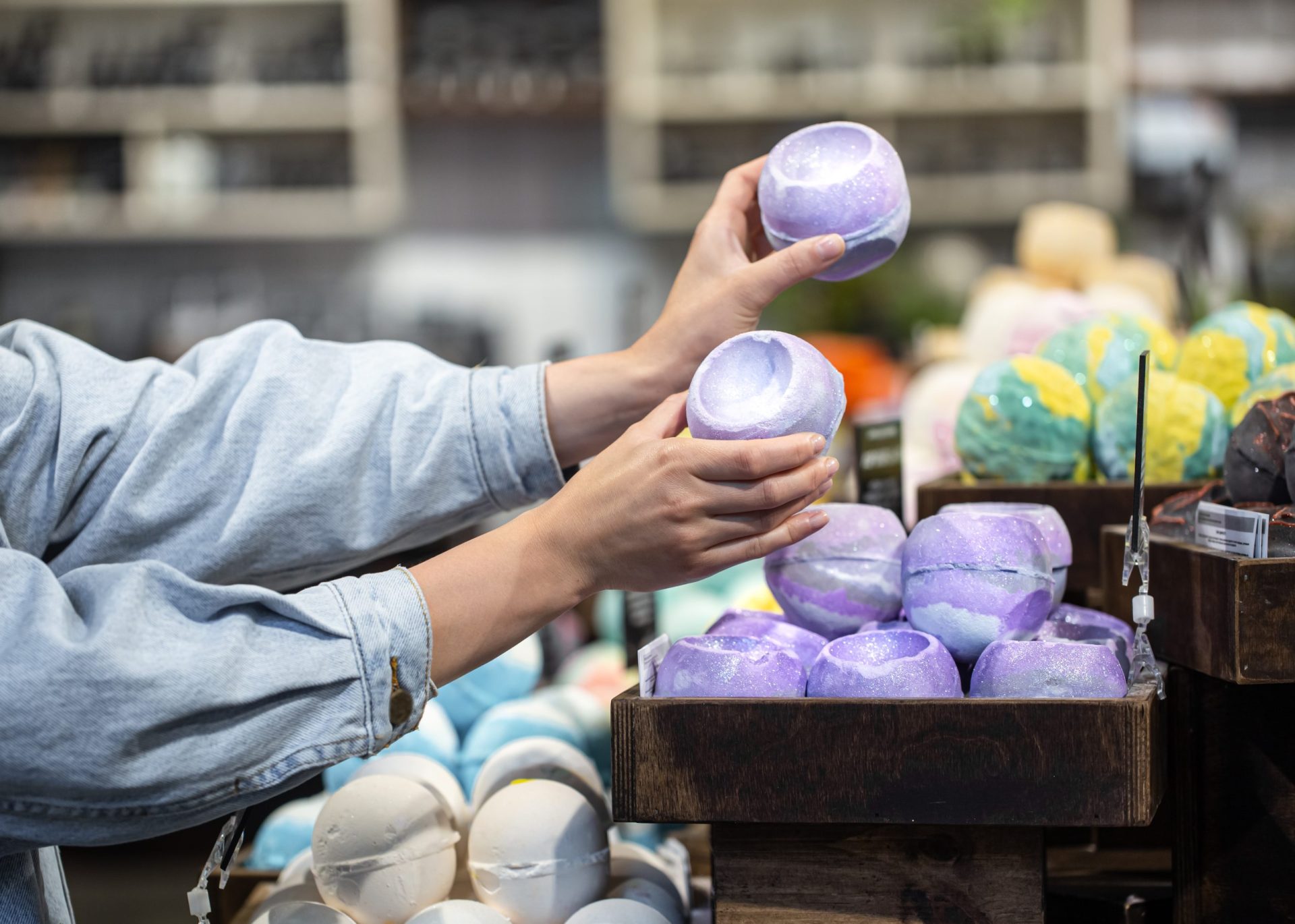
The personal care industry produces roughly 120 billion units of packaging every year. Most of it, perhaps as much as 95%, ends up in landfills or waterways rather than recycling centers. For brands built around sustainability, that statistic is more than uncomfortable. It is the reason a growing number of zero-waste companies are rethinking the physical form of their products entirely.
Solid formulations offer an answer that goes well beyond packaging swaps. By removing water from the equation, pressed and extruded bars concentrate active ingredients into a compact, shelf-stable format that ships lighter, lasts longer, and sidesteps the single-use plastic bottle altogether. Below are ten reasons this approach is gaining traction among brands that take their environmental commitments seriously.
The Packaging Problem Is Bigger Than Most Brands Realize
Plastic Bottles Dominate the Waste Stream
Walk through any drugstore aisle, and you will notice that nearly every shampoo, conditioner, and body wash sits inside a plastic container. According to the Pact Collective’s 2024 Impact Report, the cosmetics sector still generates billions of rigid plastic units in the United States alone. Only a fraction of those containers are made from a single resin type, which means curbside recycling programs often reject them. Mixed-material pumps, overcaps, and shrink sleeves further complicate matters.
Why Recycling Alone Cannot Solve the Issue
Even when consumers do their part, recycling rates for personal care containers remain stubbornly low. The British Beauty Council has noted that only 9% of plastics are recycled globally. Beauty packaging is among the worst offenders because product residue contaminates containers, rendering them unsuitable for standard processing. Solid products made without bottles, pumps, or tubes bypass this bottleneck entirely.
Reason 1: Eliminating Water Reduces Environmental Impact
A conventional liquid shampoo can be up to 80% water. Conditioners sometimes reach 95%. That means consumers are paying for, and trucking around, a whole lot of H2O. When you strip water from a formulation, you get a concentrated bar that weighs a fraction of its liquid equivalent. The reduction in water usage during manufacturing is significant, cascading into smaller packaging, lighter shipments, and lower carbon emissions per unit.
Is this a perfect solution? Not always. Solid products vary in how water-intensive their production is. But the net improvement is meaningful, and it is one reason contract manufacturers are fielding more requests for waterless formats every quarter.
Reason 2: Concentrated Ingredients Mean Better Value
Higher Active Content Per Ounce
Because water is no longer included in the formula, the ratio of functional ingredients increases. A solid shampoo bar, for instance, can deliver the same number of washes as two or three standard bottles. That concentration translates to tangible value for end consumers, who notice their contribution to reducing waste without sacrificing effectiveness.
Shelf Life Without Synthetic Preservatives
Water-based products are breeding grounds for bacteria and mold, which is why they require preservative systems. Removing the water dramatically reduces the microbial risk. Many solid formulations can rely on fewer preservatives, or in some cases, skip them altogether. For brands positioning themselves in the clean beauty space, this is a major selling point.
Reason 3: Lighter Products Cut Shipping Emissions
Weight matters in logistics. A pallet of solid bars weighs far less than the same number of liquid-filled bottles. Fewer trucks on the road, smaller cargo holds on planes, lower fuel burn per unit shipped. The math is straightforward, and it makes a measurable difference for brands tracking their Scope 3 emissions.
Hospitality companies ordering guest amenity bars have been quick to recognize this, too. Hotels that switched from single-use plastic miniatures to solid bars reported not only a drop in waste but also savings on freight costs.
Reason 4: Solid Bars Open Up Plastic-Free Packaging Options
When a product does not contain water, it does not need a waterproof container. That opens the door to compostable wraps, recyclable cardboard, paper bands, and even naked packaging where the bar ships with nothing but a label. Beauty packaging innovation has accelerated in recent years, and the solid format is often the catalyst.
Consider the range of possibilities:
- Seed-paper wraps that can be planted after use
- Molded pulp trays from post-consumer fiber
- Tin containers designed for refill programs
- Wax-coated kraft paper for moisture protection
- Cloth bags or beeswax wraps for a premium unboxing experience
None of these options works particularly well with a liquid inside. Solid formulations make them all viable.
Reason 5: Regulatory Simplicity for True Soap Products
Here is something that surprises many first-time brand founders. Under FDA regulations, a product qualifies as “soap” only if it meets all three conditions outlined in 21 CFR 701.20: it must be composed mainly of alkali salts of fatty acids, those salts must be responsible for the cleaning action, and it must be labeled and marketed solely for cleansing. Products meeting this narrow definition fall under the Consumer Product Safety Commission rather than the FDA.
That distinction matters. True soap is exempt from the Modernization of Cosmetics Regulation Act of 2022 (MoCRA), which introduced facility registration, product listing, adverse event reporting, and forthcoming Good Manufacturing Practice requirements for cosmetics. Brands selling a genuine cold-process or hot-pour cleansing bar marketed only for washing can operate with a lighter regulatory footprint.
A quick caveat: if a bar makes any cosmetic claims, such as moisturizing, deodorizing, or beautifying, it crosses into the realm of cosmetics, and MoCRA applies. And syndet bars, which use synthetic detergent compounds rather than saponified fats, are classified as cosmetics regardless of their marketing language. Precision in formulation and labeling is essential.
Reason 6: Versatility Across Product Categories
Solid formats are not limited to soap. The technology behind bar-form personal care has expanded into categories that most consumers, even five years ago, would not have expected.
Hair Care
Solid shampoo bars and conditioning bars now rival their liquid counterparts in lather, slip, and rinse-off feel. Sulfate-free surfactant blends provide gentle cleansing without stripping color-treated hair, and conditioning agents like behentrimonium methosulfate (BTMS) deliver detangling and softness in a pressed-bar format.
Skin Care
Lotion bars, solid body butters, and facial cleansing bars have all found loyal followings. A solid lotion, for example, melts upon contact with warm skin and deposits a layer of emollients without requiring an emulsifier system or preservatives. Lotion bars made with shea butter, cocoa butter, and carrier oils are among the simplest products to formulate, yet they perform remarkably well.
Shave and Grooming
Shave soap bars produce a dense, protective lather that many wet-shaving enthusiasts actually prefer over canned foam. The solid format is a natural fit for this category, and brands in the grooming space are capitalizing on both the environmental and experiential angle.
| Product Category | Liquid Equivalent | Solid Advantage |
| Shampoo | 80% water, plastic bottle | Concentrated, no bottle needed |
| Conditioner | Up to 95% water | Longer lasting, lighter to ship |
| Body Wash | Pump dispenser, mixed plastics | Bar form, compostable wrap |
| Lotion | Jar or tube with preservatives | No water, fewer preservatives |
| Shave Cream | Aerosol can or tube | Dense lather, refillable tin |
Reason 7: Consumer Demand Is Accelerating
Shoppers are not waiting for the industry to catch up. A CleanHub survey found that almost half of respondents would be willing to pay more for sustainable packaging. Gen Z and millennial consumers, in particular, are steering purchases toward brands with visible environmental credentials. A zero-waste lifestyle is no longer niche. It has entered the mainstream purchasing conversation.
This is not just sentiment. The waterless cosmetics segment is projected to grow substantially through the end of the decade, driven by overlapping interest in clean beauty, minimal-ingredient formulations, and packaging-free alternatives. For indie brands trying to carve out space in a crowded market, solid products offer a genuine point of distinction.
Reason 8: Scalable Manufacturing Without Massive Capital Investment
How Contract Manufacturing Lowers the Barrier
Launching a liquid product line means either sourcing bottles, pumps, labels, and filling equipment or paying a contract manufacturer to handle it all. Solid bars simplify the supply chain. A brand can start with a custom formulation, select from straightforward packaging options, and scale production as demand grows.
At MidSolid Press & Pour, for example, our extrusion lines can handle high-volume runs while still accommodating the custom shapes, sizes, and fragrance profiles that brands need to stand apart. Whether a client needs private-label bars or a completely proprietary recipe, the manufacturing process for solid formats is inherently more streamlined than liquid-filling operations.
White Label Versus Custom Development
Some brands want a quick path to market with a proven formula they can rebrand. Others want something entirely their own, perhaps a unique botanical blend or a specific performance profile for a target demographic. Both approaches work well in the solid format because formulation variables, surfactant type, butter ratios, fragrance load, and colorants can all be adjusted without redesigning an entire packaging line.
Reason 9: Transparency and Ingredient Simplicity Build Trust
Fewer Ingredients, Clearer Labels
Many solid bars contain fewer than ten ingredients. Compare that with a typical liquid body wash, which might list twenty or more ingredients, including emulsifiers, thickeners, preservatives, and pH adjusters, all of which are needed solely because water is present. Consumers scanning an ingredient list on a bar wrapper can often recognize every item, and that transparency fosters trust.
The FDA does not regulate the word “natural” on cosmetic labels, and “organic” claims require USDA National Organic Program certification for agricultural ingredients. But the simplicity of solid formulations makes it easier for brands to pursue and substantiate those claims when they choose to. Fewer components mean fewer compliance headaches.
Ingredient Sourcing With a Smaller Footprint
Solid products typically rely on concentrated plant oils, butters, clays, and essential oils. When these raw materials are responsibly sourced, their contribution to a brand’s overall sustainability story is significant. The supply chain for a five-ingredient bar is far easier to audit than one for a twenty-ingredient liquid with multiple synthetic intermediaries.
Reason 10: The Future of Personal Care Is Solid
Industry Momentum
The shift toward waterless and concentrated personal care is not a passing trend. Major players in the cosmetics industry, from legacy conglomerates to venture-backed startups, are investing in robust R&D. The Upcycled Beauty Company’s 2025 report highlighted solid and waterless formats as a cornerstone of the move toward circular-economy models in personal care. Innovation in this space is accelerating, with new surfactant technologies, bio-based waxes, and powder-to-liquid activators expanding what is possible in bars or pressed tablets.
What This Means for Your Brand
If you are building a personal care line around environmental responsibility, solid formulations are no longer optional. They are expected. Retailers are allocating more shelf space to package-free and minimal-waste products. E-commerce platforms reward lighter, more compact shipments with lower fulfillment costs. And consumers are actively seeking out brands that walk the talk on sustainability rather than simply printing a green leaf on a plastic bottle.
Common Questions About Solid Formulations and Zero Waste
What Is the Least Toxic Makeup Brand?
Defining “least toxic” depends on the criteria you apply. Organizations like the Environmental Working Group (EWG) rate products based on ingredient safety. Brands such as ILIA, RMS Beauty, Kosas, and W3LL People consistently earn high marks for avoiding parabens, phthalates, and synthetic fragrances. However, “non-toxic” is not a term regulated by the FDA, so consumers should look for third-party certifications such as EWG Verified or Leaping Bunny rather than relying on marketing claims alone. Checking a product’s full ingredient list remains the most reliable way to assess safety.
What Is the Biggest Problem in the Beauty Industry?
Packaging waste stands out as the most pressing environmental challenge. The sector generates an estimated 120 billion packaging units per year, and roughly 95% of them are discarded after a single use. Mixed-material containers, product residue, and limited recycling infrastructure mean that even well-intentioned consumers struggle to dispose of empties responsibly. Beyond packaging, pollution from microplastics in rinse-off products and the carbon footprint of water-heavy supply chains compound the problem. Industry groups are pushing for circular economy models, but progress remains uneven.
What Are Solid Cosmetics?
Solid cosmetics are personal care products formulated without water as a primary ingredient. They are compressed, pressed, or poured into a bar, tablet, or stick form. Examples include soap, shampoo bars, conditioning bars, lotion bars, and even solid perfumes. Because they lack water, these products often need less preservative protection and can be packaged in minimal or compostable materials. Solid products vary in composition depending on their intended use, but most rely on concentrated surfactants, plant butters, waxes, and active botanicals for performance.
How to Reduce Waste in the Beauty Industry?
Meaningful waste reduction requires changes at every stage of the product lifecycle. Brands can reformulate products in solid or concentrated formats to cut packaging needs. Switching to mono-material containers improves recyclability. Refill programs keep primary packaging in circulation longer. On the consumer side, choosing products with minimal wrapping, supporting refill stations, and properly cleaning containers before recycling all help. Industry-wide adoption of circular-economy principles, in which materials are reused rather than discarded, offers the most scalable path forward.
Partner With a Manufacturer That Gets It
Building a zero-waste product line requires more than good intentions. It takes a manufacturing partner who understands formulation science, regulatory requirements, and the practical realities of scaling solid products. MidSolid Press & Pour works with indie brands, established retailers, and hospitality companies to develop solid bars that perform as well as they look on a shelf.
Whether you are exploring syndet-based cleansing bars for sensitive skin, melt-and-pour options for a decorative line, or a full suite of hair and body care, our team in Douglas County, Colorado, is ready to talk. Reach out for a consultation, and let’s figure out how to bring your zero-waste vision to life.