


Solid Shampoo and Conditioner
How Packaging Choices Shape Identity for Solid Shampoo Bars
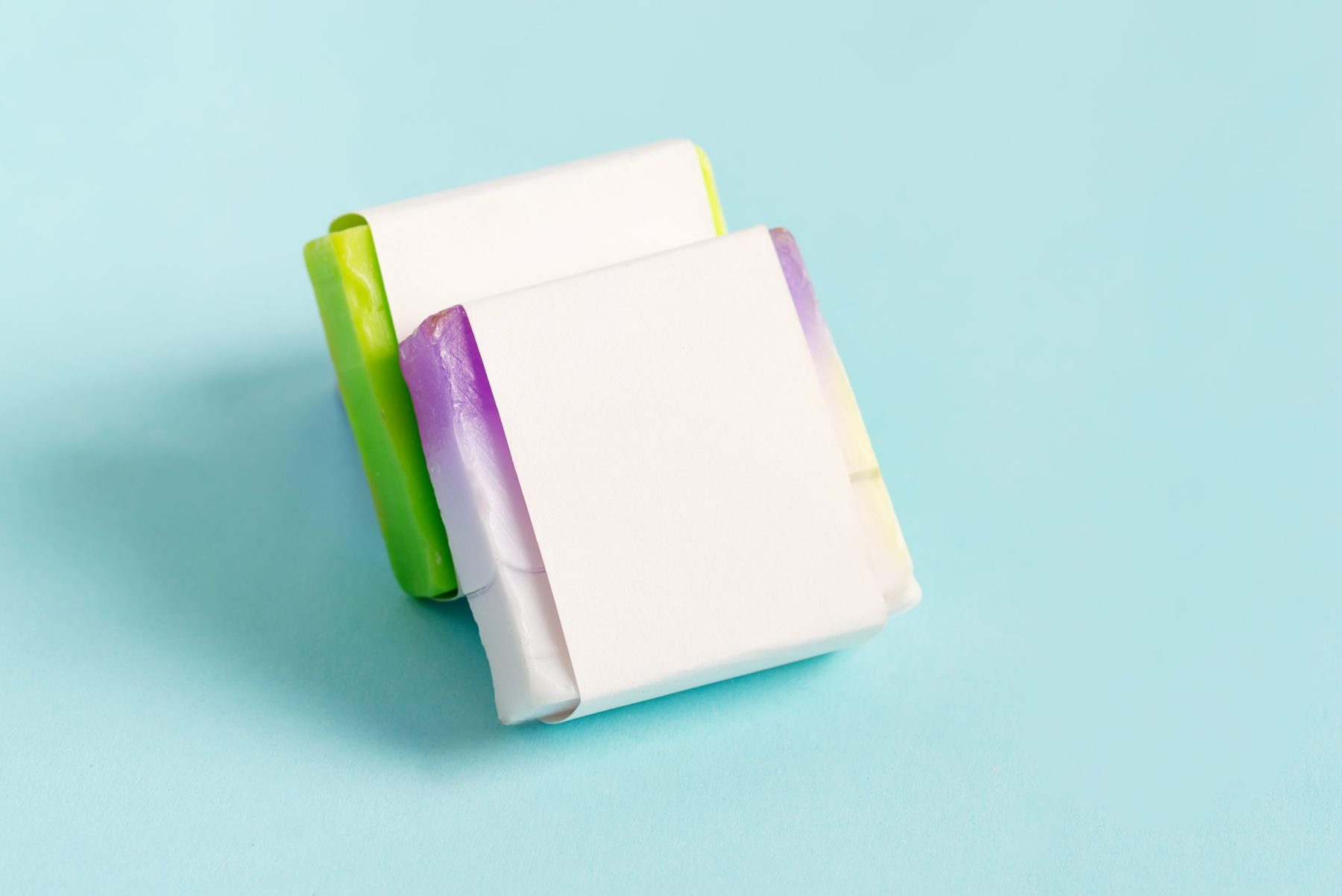
A hair bar without a bottle still has a story to tell, and the wrap around it does most of the talking. When a customer picks up a hard puck of cleanser, the outer layer is the first thing they physically contact, and it’s the first thing they see with your label. It signals price tier, values, and who the product is for, all before anyone reads a single ingredient.
We have run thousands of these formats across the production floor, and one pattern holds. The brands that treat the wrap as an afterthought tend to struggle on the shelf. Those who pick a format early and then design around it tend to stand out.
This piece walks through seven realistic formats for hair cleansing bars. Each one carries trade-offs in cost, protection, and visual punch. We work with indie founders, regional retailers, and hospitality buyers, so the goal here is practical guidance rather than a sales pitch. If you are weighing a launch or a redesign, the notes below should help you narrow the field.
Why the Wrap Carries So Much Weight
A liquid product hides inside a vessel. The vessel does the protecting, the holding, and the branding all at once. Take that away, and the math changes. Now the wrap has three jobs: keep the puck intact during shipping, communicate the label, and survive a humid bathroom shelf without falling apart.
That last point gets overlooked. A waterless cleanser absorbs moisture if left exposed, and a soggy wrap looks cheap fast. So the format you pick is not just an aesthetic call. It affects returns, reviews, and repeat orders.
There is also the recognition factor. Repeat purchase depends on a customer remembering who you are. A distinctive format, even a simple one done well, builds that memory. Episode Two, a design studio that worked on a children’s hair bar line, framed it neatly: identity is what gets a product noticed in a crowded category and, more importantly, what makes the buyer remember the name afterward. That applies whether you sell at a farmers’ market or a national chain.
A quick question worth asking before you commit: who actually buys this, and where do they first see it? A gift shopper, a refill-club subscriber, and a hotel procurement manager all respond to different cues. Hold that thought, because it shapes nearly every choice that follows.
Format One: The Paper Band or Sleeve
The simplest option is a printed paper band that wraps the middle of the puck, leaving the top and bottom exposed. Lush built much of its early recognition on this minimalist look, and plenty of smaller labels have followed.
The appeal is obvious. Material cost stays low, often the lowest of any format here, the look reads honest and unfussy, and the exposed product lets a shopper see and smell what they are buying. For a brand built on a pared-back message, the band fits the story.
The catch is protection. A band shields almost nothing during transit, so it suits local retail and in-person sales far better than rough e-commerce shipping. There is also less printable surface, which makes regulatory text a tight squeeze. More on that compliance issue later.
Best for: minimalist labels selling through local retail or in person. Avoid if: most of your orders ship by mail, or your ingredient list runs long.
- Lowest material cost of any format here
- Honest, minimalist look that suits pared-back labels
- Let’s customers see and smell the actual product
- Weak shipping protection; better for retail than mail order
- Limited print area for required label copy
Format Two: The Kraft Carton With a Window
A folding kraft carton is the workhorse of this category, and for good reason. It provides a full, printable surface on every panel, decent structural protection, and a recognizable, eco-leaning material that signals values without a word of copy. Add a die-cut window, often covered with a compostable film or left open, and the shopper still gets a peek at the product.
This format balances nearly every priority at once. Cost sits in the middle. Print quality on kraft stock has improved significantly, though deep colors appear duller than they would on bright white board, which is a real consideration for vivid branding.
Kraft cartons also stack and ship well, and they hold up on retail pegs or shelves. For most founders launching a hair cleansing range, this is the safe, sensible starting point. We push back gently when a client picks something flashier without a clear reason, because the carton rarely disappoints. Brands planning a full production run often pair this carton with our dedicated solid-shampoo manufacturing line to achieve retail-ready output.
Best for: most retail launches, especially first-time founders. Avoid if: your branding depends on vivid, saturated color that kraft stock mutes.
Format Three: The Rigid Box for Premium Positioning
Step up the price ladder, and the rigid box takes over. Think of the sturdy, non-collapsing box you associate with high-end gift items. It does not fold flat; it arrives fully formed, and that heft is the entire point.
A rigid box says luxury before the customer reads anything. The walls are thick, the lid often has a satisfying friction fit or a magnetic close, and the unboxing feels deliberate. For gift sets, subscription welcome kits, or a hero product meant to anchor a range, this format earns its keep.
It is also the most expensive option on this list, and it generates more material per unit. A rigid box only makes sense when both the price point and customer expectations support it. Putting a budget cleanser in a luxury box confuses shoppers and erodes margins. Used well, though, it lifts perceived value in a way no other format here can match.
Best for: gift sets and premium hero products with margin to spare. Avoid if: you sell a value-priced cleanser, where the box outshines the product.
Format Four: The Tin
A metal tin sits in an interesting spot. It protects the product very well, it is reusable, and it photographs beautifully for social media. Customers tend to keep tins for a year or more, so your label lingers in their bathroom long after the cleanser is gone. That is quiet, ongoing brand exposure.
This suit travels well. A screw-top or slip-lid tin keeps a wet puck contained in a gym bag or suitcase, which solves a genuine customer pain point. Brands aiming at frequent travelers, or at the hotel and amenity market, often find the tin worth its higher unit cost. Our hospitality and guest amenity work frequently leans on tin formats for exactly this reason.
The downside is price and weight. Tins cost more than paper formats and add shipping weight, which matters for e-commerce margins. There is also a nuance of recyclability worth being honest about. Metal is widely recyclable, yes, but a customer reusing the tin keeps it out of the waste stream entirely, so the reuse angle is the stronger claim.
Best for: travel lines and hospitality buyers who value durability. Avoid if: thin e-commerce margins cannot absorb the extra unit cost and shipping weight.
- Strong physical protection for the puck
- Reusable, so the brand stays visible long-term
- Excellent for travel and amenity positioning
- Higher unit cost and added shipping weight
- Reuse is a cleaner sustainability claim than recycling
Format Five: The Paper or Cardboard Tube
A push-up tube, similar in spirit to a deodorant stick, is gaining ground. The customer twists the base, and the cleanser rises, so hands stay drier, and the product stays cleaner. It is a functional format with a modern feel.
Tubes print well, stack efficiently, and read as innovative without shouting. They suit a brand that wants to feel current and a little design-forward. The format does require the bar to be molded to a specific shape and diameter, which is a production constraint to plan for early rather than late.
One honest note from the floor: tube formats demand tighter dimensional consistency from the cleanser itself. If your puck shape varies from batch to batch, the tube will reveal it. It is a great format, just not a forgiving one.
Best for: modern, design-forward brands wanting a functional point of difference. Avoid if: your bar shape is not yet locked to a consistent mold.
Format Six: The Compostable Film Wrap
Some brands want to see the see-everything transparency of plastic shrink wrap without the plastic. Compostable films, often made from cellulose or other plant-derived material, offer a middle path. The product is fully visible and sealed against moisture until first use.
This works for brands that want a clean, clinical, product-forward look. It is light, cheap to ship, and the moisture seal is genuinely useful for a waterless cleanser. The visibility also lets color and shape do the selling.
The honest drawbacks are real. Compostable film usually requires industrial composting to break down properly, and many customers do not have access to it, so the environmental benefit is partly conditional. The look can also read as slightly less premium than a structured box. It is a sensible choice, just one with caveats you should be upfront about on the label.
Best for: product-forward brands wanting visibility and a light shipping weight. Avoid if you cannot clearly explain the industrial composting requirement to buyers.
Format Seven: The Naked or Minimal-Wrap Approach
The boldest move is almost no wrap at all. A sticker, a small recycled-paper tag, or a tied string, and nothing else. The product ships and sells essentially bare.
For a brand whose entire identity is built on waste reduction, this is the purest expression of that promise. It costs almost nothing in materials, and customers who care about that message respond strongly. The approach also forces the cleanser itself to look good, since there is nowhere to hide.
But it is not for everyone. The bare product is vulnerable in transit and on the shelf; hygiene perceptions can wobble with some shoppers; and the required label information has to live somewhere, which a bare puck makes genuinely hard. This format works as a deliberate brand statement, not as a default.
Best for: zero-waste brands making packaging itself the message. Avoid if you ship widely or have not resolved where the mandatory label copy goes.
| Format | Relative cost | Protection | Best fit |
| Paper band or sleeve | Low | Low | Minimalist labels, local retail |
| Kraft carton with a window | Medium | Medium-high | Most retail launches |
| Rigid box | High | High | Gift sets, premium hero products |
| Tin | Medium-high | High | Travel and hospitality lines |
| Paper or cardboard tube | Medium | Medium | Modern, design-forward brands |
| Compostable film wrap | Low | Medium | Product-forward, clinical looks |
| Naked or minimal wrap | Very low | Low | Zero-waste brand statements |
Matching the Format to Your Brand
So how do you actually choose? Start with the buyer and the sales channel, then work backward. A label that sells mostly through its own website needs more shipping protection than one that sells through stocked retail shelves. A premium price point can carry a rigid box; a value line cannot.
Think about what to look for in a strong format overall: it should protect the puck throughout its real-world journey, provide enough surface area for the required copy, reflect your price tier honestly, and, ideally, extend brand visibility beyond the point of purchase. A tin reused on a shelf does that last job for months. A band does not, though it wins on cost and message clarity.
Storage matters too, both for you and the customer. Where do people keep these bars at home? A format that helps the cleanser dry between uses, a tin with a draining insert, or a carton the customer keeps for storage, adds genuine product value. A reusable outer carton, sized so the customer keeps it for storage, turns a wrap into a feature. That kind of thinking turns a wrap into a feature.
One more reality from the manufacturing side. Your choice of format affects your minimum order volume. Our production minimum is 5,000 bars, and custom rigid boxes or printed tins often have their own supplier minimums, separate from your production run. A small first batch can run into a mismatch between the two. We generally suggest founders confirm both numbers together before committing, since a beautiful box you cannot afford to order in the right quantity helps nobody.
The Compliance Layer Most Brands Underestimate
Here is the part that trips up new founders. In the United States, a hair cleansing product sold to consumers is a cosmetic, and the FDA regulates its labeling under the Federal Food, Drug, and Cosmetic Act and the Fair Packaging and Labeling Act. The wrap is not just branding; it is a regulated surface.
In practical terms, the FDA’s summary of cosmetic labeling requirements explains that the outer package needs a principal display panel showing the product identity and the net quantity of contents, plus an information panel carrying the full ingredient declaration in descending order of predominance, along with the name and place of business. The cosmetic labeling rules codified at 21 CFR Part 701 detail panel placement, and the Modernization of Cosmetics Regulation Act, passed in 2022, reinforced these expectations. A point many overlook: labeling duties generally attach to the outer container, which is another reason a bare puck creates a headache.
This is exactly why format and compliance have to be decided together. A tiny paper band may not physically hold the required text at a legible size. A naked bar has nowhere to put it at all. We are a contract manufacturer, not a regulatory consultant, so brands should confirm the specifics with a qualified labeling expert; the structural point stands. Pick a format that has room for the law before you fall in love with the look.
A note on language as well. Be careful with terms like organic, which carry a specific USDA organic certification standard for agricultural ingredients, and avoid implying that a syndet bar is traditional soap, since the two fall under different regulatory categories. The wrap copy is where these distinctions get tested.
Bringing It Together
No single format wins for every brand. The kraft carton suits most launches, the tin rewards travel and hospitality lines, the rigid box lifts a premium hero product, and the minimal wrap makes a pointed statement for the right audience. The right pick follows from your buyer, your channel, your price tier, and the compliance copy you must carry.
Perhaps the most useful habit is simply deciding early. A format chosen at the start, then designed around, almost always beats a beautiful design forced onto the wrong structure late in the process.
Get Expert Guidance on Your Hair Bar Launch
Choosing the right format is easier with a manufacturing partner that has run them all. We can talk through formats, order volumes, and production realities specific to your brand. Reach out through our private label hair bar team or contact us for a quote to get started.
Frequently Asked Questions
How do you package shampoo bars for retail sale?
For retail, a folding kraft carton is the most reliable choice because it protects the product, prints cleanly on every panel, and holds the required compliance copy. Many brands add a die-cut window so shoppers can see the contents. The carton stacks well on shelves and pegs, ships safely, and signals an eco-leaning value set without extra wording. Founders selling premium ranges sometimes step up to a rigid box, while travel-focused lines lean toward reusable tins. Match the choice to your channel and price point.
What makes one solid shampoo bar better than another?
Quality comes down to formulation and consistency rather than the label outside. A strong bar lathers reliably, holds its shape through repeated use without crumbling, rinses clean without residue, and suits the hair type it targets. Batch-to-batch consistency matters too, since shoppers expect the same result every time. Reputable manufacturers run stability and microbial testing to confirm this. The wrap supports the experience and protects the product, but the cleanser itself, its ingredients, and build, determine whether someone reorders.
What should you look for when choosing a hair cleansing bar?
Start with a hair-and-scalp match, since formulas vary for oily, dry, color-treated, or sensitive needs. Check that the bar holds together well and rinses without buildup. Look at the ingredient declaration, required on the information panel, and be cautious with vague marketing language. For travel, a reusable tin keeps a wet puck contained. Sustainability-minded shoppers should weigh the wrap honestly, since reusable formats often beat single-use ones even when those are technically recyclable or compostable.
Where should you store a solid shampoo bar at home?
Storage affects how long the product lasts, so keep the bar somewhere it can fully dry between uses. A draining soap dish, a slatted tray, or a tin with a ventilated insert all allow water to drain and prevent a soft, mushy puck from forming. Avoid leaving the cleanser sitting in the direct spray of the shower. Some brands design the outer carton to double as a home storage container, which adds practical value. Good drying habits can easily extend the life of a single bar by several weeks.