


Extruded
Where Hotel Toiletry Bottle Bans Stand by State, and What Amenity Buyers Should Do
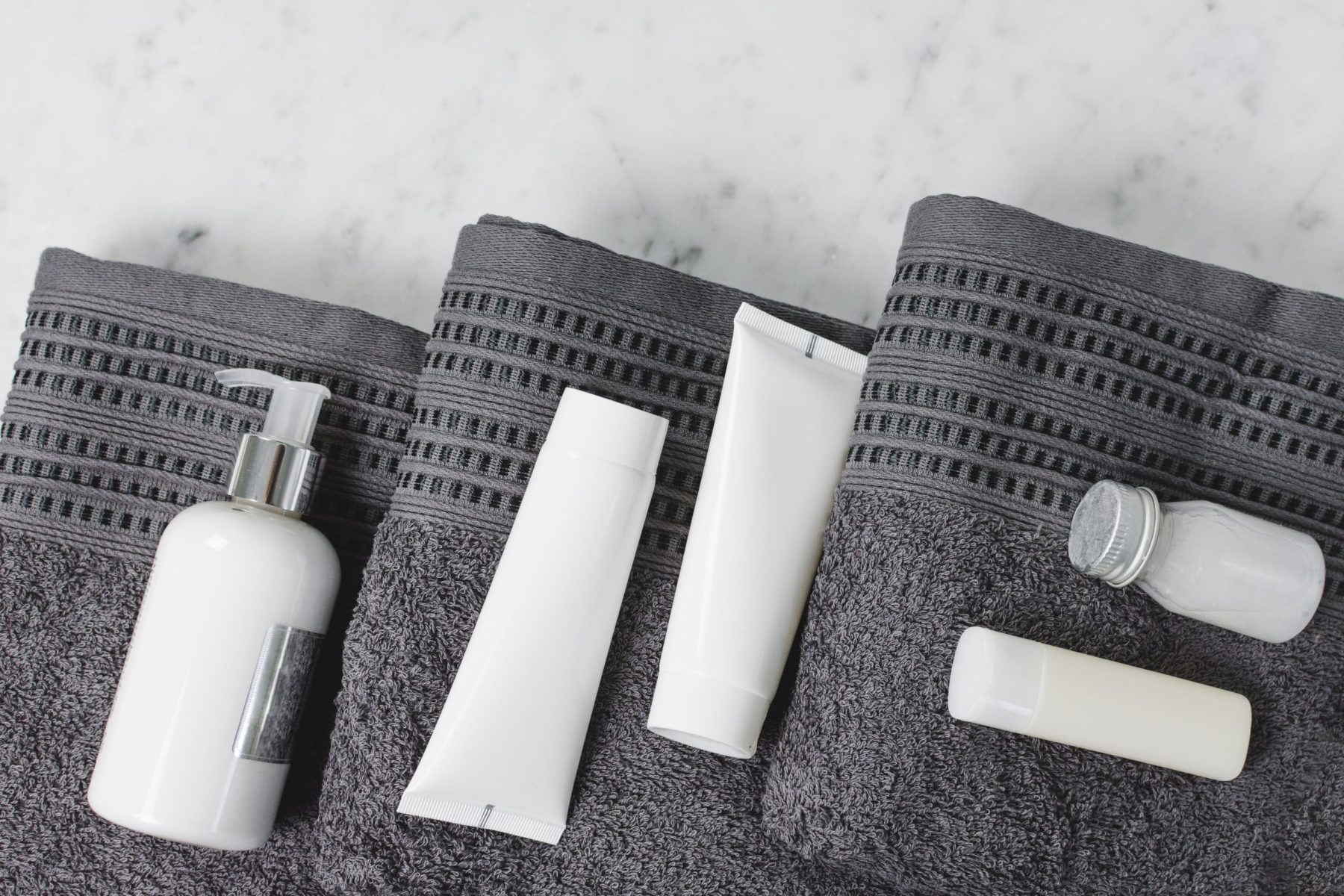
As of 2026, four states have active or scheduled restrictions on small plastic toiletry containers in lodging: California and New York are already enforcing, Illinois is mid-rollout, and Washington’s deadline arrives in 2027. For purchasing teams, the takeaway is simple, even if the rules are not: standardize now on one compliant format rather than juggling different products for every state. The sooner that decision lands, the cheaper the switch.
The little plastic bottles lined up by the bathroom sink are quietly disappearing from American lodging. The rules differ enough that a manager buying properties in Sacramento and Chicago now faces two separate compliance clocks. Formats like solid shampoo bars are part of the answer, and timing matters more than most buyers expect.
Why Lawmakers Went After The Little Bottles
Why target something so small? The arithmetic caught legislators’ eyes. A bath-product container gets used once or twice, then tossed, and sorting machinery cannot catch packaging that tiny. When properties hand out millions a year, the footprint grows fast.
- They slip past recycling equipment and head straight to the landfill.
- Half-empty containers throw away product along with packaging.
- Discarded material breaks down into microplastics that reach soil and water, adding to plastic waste.
California: The State That Started It
California moved first, as it tends to on packaging questions. Governor Newsom signed AB 1162 in 2019, and the requirements arrived in phases.
- Larger properties (50 rooms and up): compliant since January 1, 2023.
- Smaller properties: required from January 1, 2024.
- Penalties run $500, then $2,000 for repeat offenses.
The covered items are narrow: shampoo, hair conditioner, and bath soap in containers of 6 ounces or less, per California’s lodging packaging statute. The Golden State also outlawed plastic bags back in 2014, so the direction is familiar.
New York: The Twelve-ounce LINE
New York’s restriction took effect on January 1, 2025, for larger lodging properties, with smaller properties following on January 1, 2026. Its drafters drew the line at containers holding less than 12 ounces, a wider net than many assume, sweeping in shampoo, conditioner, lotion, and liquid cleansers. The Department of Environmental Conservation lists covered products and timelines in its official hospitality packaging guidance. Enforcement opens with a warning; ignore it, and fines of $250, then $50,0 follow.
- Covered goods: shampoo, conditioner, lotion, and liquid hand or body cleansers.
- The trigger is container size, not the product type by itself.
- Penalty money feeds New York’s Environmental Protection Fund.
Illinois: First Mover In The Great Lakes
Illinois became the fourth to adopt the rule and the first around the Great Lakes, where microplastic readings in drinking water lent the bill urgency. Governor Pritzker signed it in August 2024, codified as the Small Single-Use Plastic Bottle Act, and it rolled out by property size.
- Properties of 50-plus rooms: compliant since July 1, 2025.
- Everywhere else: compliant by the start of 2026.
- Repeat violations canresult in a fine of up to $1,500.
The cap sits at 6 ounces and centers on shower products, so lotion and mouthwash fall outside it.
Washington: The 2027 Deadline Is Approaching
Washington rounds out the current group, though its dates land later. Larger establishments must comply by January 1, 2027, and smaller ones by January 1, 2028. The rule limits containers to 6 ounces and broadly defines lodging, including motels, inns, timeshares, and even short-term rentals, as the ecology department spells out in its lodging toiletries restriction. Daily fines can reach $500.
A Side-by-side Look At The Rules
Four timelines, two size thresholds, and several penalty schemes read more easily in one place. Here is how today’s laws stack up.
| Jurisdiction | 50+ rooms | Under 50 rooms | Size limit | Penalty |
| California | Jan 1, 2023 | Jan 1, 2024 | 6 oz or less | $500, then $2,000 |
| New York | Jan 1, 2025 | Jan 1, 2026 | Under 12 oz | $250, then $500 |
| Illinois | Jul 1, 2025 | Jan 1, 2026 | Under 6 oz | Up to $1,500 |
| Washington | Jan 1, 2027 | Jan 1, 2028 | Under 6 oz | Up to $500/day |
What The Rules Actually Cover
Not every item in the bathroom is affected, and the fine print varies. Most statutes target tmall plastic containers bdesignedto be thrown oaway not refillable fcontainers
- Size thresholds differ: 6 ounces in California, Illinois, and Washington; 12 ounces in New York.
- Covered goods usually include shampoo, conditioner, and shower cleansers.
- Lotion and mouthwash sit in scope in some places, out of it in others.
The “on request” carve-out
Several statutes allow a property to keep a small stock and hand a guest a unit only when asked. The operative phrase is available only on request, which is not a license to pre-stock every room as before. Treat it as a courtesy, not a workaround.
What It Means For Amenity Buyers
For purchasing teams, the difficulty is less about any single rule and more about juggling several at once. A group running properties across California, Illinois, and New York already answers to three separate clocks. Settling on a single compliant format and writing a single sourcing policy usually beats maintaining location-specific SKUs.
- Map which properties sit in regulated jurisdictions and which deadlines apply.
- Pick a format that satisfies the strictest threshold, then deploy it everywhere.
- Build in lead time because sampling and approval run longer than a routine reorder.
Compliance Checklist For Amenity Buyers
Want a sequence you can hand to procurement today? Work through these steps in order, and the transition stops feeling like a scramble.
- Audit current SKUs against each covered size threshold (6 or 12 ounces).
- Sort properties by room count, since deadlines hinge on the 50-room line.
- Verify ounce limits for every operating jurisdiction, not just the headquarters state.
- Choose compliant formats that clear the strictest rule you face.
- Update brand standards and in-room signage to match the new amenity lineup.
- Notify suppliers early and lock production slots ahead of your nearest deadline.
Bulk Fixtures Versus SOLID Formats
Two replacement paths dominate. Wall-mounted dispensers refill bulk liquid, while solid formats drop liquid packaging entirely. Both carry trade-offs. These fixtures trim waste but raise refill-hygiene questions and, for some guests, dent the sense of a sealed, premium touch. Pressed bars skip packaging altogether and travel well, which is why matching conditioner and cleansing bars continue to gain ground in upper-tier rooms.
Best Compliant Formats Compared
Which replacement actually fits your properties? It depends on guest tier, housekeeping workflow, and how much plastic you want gone. This quick comparison lays out the realistic options.
| Format | Plastic packaging | Guest perception | Best fit |
| Refillable wall dispensers | Low (bulk refills) | Functional, less premium | High-volume, budget to mid-tier |
| Large pump bottles | Moderate | Familiar, mid-tier | Properties easing into change |
| Wrapped solid bars | None to minimal | Clean, eco-forward | Most tiers, easy rollout |
| Solid shampoo bars | None | Premium, low-waste | Upper-tier and eco-branded |
| Solid conditioner bars | None | Premium, low-waste | Pairs with shampoo bars |
Why Pressed Bars Fit The New Landscape
Solid formats answer the requirements almost by definition: with no liquid to package, there is no small plastic container left to restrict. That is the structural edge.
- No plastic packaging to trip any size threshold.
- Lighter shipping weight and a smaller storage footprint.
- A premium, low-waste presentation guests increasingly want.
Planning A Realistic Transition
How quickly can a property switch over? Faster than many fear, slower than a single reorder. Custom formulation, fragrance sign-off, and sampling add weeks to the lead timebeforef the first run. Our minimum order is 5,000 bars, while our high-volume production line can reach 35,000 bars weekly, giving mid-size groups room to pilot one site before committing to a whole portfolio. Many operators find the in-room mix simplifies once they settle on a single solid range, trimming both SKUs and storage.
- Begin sampling two to three months before your compliance date.
- Pilot at one location, then scale after the format proves out.
Frequently Asked Questions
Is it illegal to take toiletries from a hotel?
Taking the small complimentary items left in your room, the wrapped soap and the little bottle of shampoo, is generally fine; properties price those into the nightly rate and expect guests to use or pocket them. Robes, towels, hangers, and bathroom hardware are a different story, since those belong to the building. As refillable fixtures replace single-serve packaging, there is simply less loose product to carry off, which quietly suits operators watching supply costs.
What do free toiletries mean in a hotel?
The phrase refers to the complimentary personal care items a property provides at no extra charge, traditionally a set of mini shampoo, conditioner, and soap. Free here means included in your nightly rate rather than billed separately, though the room price clearly covers the cost. With packaging rules reshaping the format, the freebies are changing shape, larger pump bottles, wrapped bars, or wall units, yet the underlying promise of no-cost basics holds steady industry-wide.
What toiletries do hotels usually offer?
Beyond the basics for hair and body, the standard in-room lineup typically includes lotion, a shower cap, and sometimes a small dental or shaving kit. Higher-end properties layer on bath salts, premium cleansing bars, or branded grooming extras. The exact mix depends on the property’s tier and location, though cleansing essentials stay near-universal because guests expect them. Many operators are now upgrading these staples to compliant, low-waste versions as deadlines land.
What comes under free toiletries?
Complimentary basics usually span hair care, skin care, and oral care: shampoo, conditioner, body cleanser, lotion, and often a soap bar, plus a comb or shower cap in many rooms. Anything sealed and single-serve that a guest can reasonably finish during a stay tends to qualify. Items meant to stay put, hairdryers, glassware, linens, do not. The category keeps narrowing as properties settle on fewer, larger, or solid products to meet packaging rules.
Ready To Switch Your Guest Amenities?
Deadlines in your operating regions are not moving, and sampling timelines mean the smart moment to begin is earlier than it feels. Our team builds compliant, plastic-free formats sized for hospitality volume, from hospitality amenity bars to complete hair-care ranges. Share your property list and target dates, then request a custom quote; we will map a rollout that clears every deadline.