


Solid Shampoo and Conditioner
How pH Balance Shapes Solid Shampoo Bar Quality and Performance
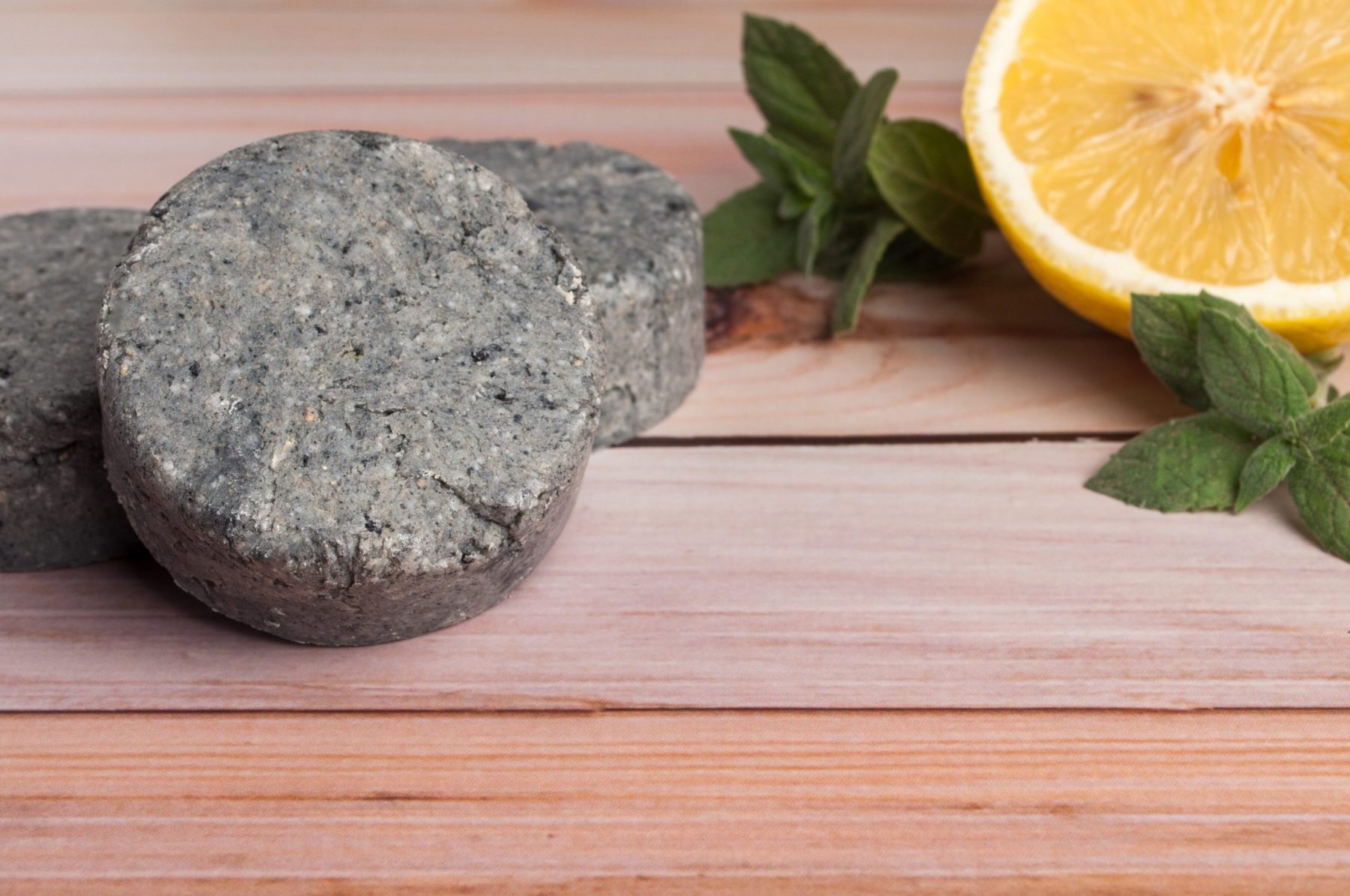
Most brand owners we work with start with a fragrance idea, a packaging vision, then a shortlist of ingredients. Acidity sits low on the list, sometimes off it entirely. That gets expensive later. A bar can carry the cleanest oils on the market, the softest fragrance, and still feel waxy or harsh on rinse-out because one number on a spec sheet was off by a point or two.
After running thousands of batches through our extrusion and pour lines in Douglas County, our team keeps coming back to the same observation. Acidity is not a finishing touch. It is the structural choice that decides whether everything else in the formula gets to do its job.
This article walks through ten specific ways acidity influences the finished product, from cuticle behavior on first wash to how the bar holds up in a shower caddy three weeks in. Some of the points will feel familiar. A few may surprise you, particularly the ones around hard water performance and shelf stability. We have included a quick reference chart roughly halfway through, plus answers to the questions buyers ask us most often when scoping a new brand.
Why Cuticle Behavior Lives or Dies on a Single Number
Hair is a stack of overlapping keratin scales, layered like roof tiles. When the wash environment matches its native acidity, those scales stay flat. When it skews alkaline, they flare open. That single physical change drives most of what people perceive as “good” or “bad” hair after a wash.
A 2014 dermatology study published in the International Journal of Trichology measured the pH of 123 commercial shampoos and tested how alkalinity affected hair fibers. Alkaline pH increased the negative electrical charge on the fiber surface, which raised friction between strands and led to cuticle damage and breakage PubMed. So when a brand owner asks why a competitor’s bar leaves hair feeling rough, the answer is rarely the surfactant alone. It’s where the formula sits on the acidity scale.
A few practical points to keep in mind:
- Healthy human hair sits between roughly 4.5 and 5.5 on the acidity scale
- The scalp shares a similar range, slightly under 5.5 in most adults
- Cuticle scales close at acidic readings and open above neutral
- Anything above 7 introduces measurable cuticle lift
- Lift compounds with each wash, even on virgin strands
That last point matters. The damage isn’t dramatic from a single shampoo. It’s the cumulative drift across forty washes that shows up as dullness, frizz, and porosity creep.
Soap Saponification Versus Synthetic Detergents
Here is where terminology gets sticky, and where regulatory accuracy matters for any brand bringing product to U.S. retail. FDA defines “soap” narrowly: the bulk of nonvolatile matter must be alkali salts of fatty acids, the cleaning action must come from those compounds, and the product must be labeled and sold solely as soap FDA. Anything outside that definition, including bars marketed for moisturizing or fragrance benefits, lands under cosmetic regulations.
This matters because saponification, the lye-and-fat reaction, naturally produces a finished product in the 9 to 10 range on the acidity scale. Soap-based cleansers tend to disrupt the skin barrier, dissolve lipids, and shift surface acidity, while synthetic detergent (syndet) systems can preserve native structure and function PubMed Central. For shampoo specifically, the math gets worse. The cuticle is more sensitive to alkaline exposure than skin is.
When clients come to us asking for a “natural cold process” hair bar, our first question is whether they understand the trade. True saponified bars rarely test below pH 8. That’s a structural reality of the chemistry, not a formulation flaw you can correct with citric acid alone.
The 10 Specific Effects Brand Owners Should Track
This is the section most readers came for. Each effect below shows up in lab testing, in production runs, or in customer reviews when a formula drifts out of range. Some compound. A bar with cuticle lift problems often also has shelf stability problems, which then leads to inconsistent feedback online.
- Cuticle smoothness on rinse: acidic formulas keep scales flat; the result feels slick, almost slippery, when wet
- Color retention in dyed strands: raised cuticles release dye molecules faster, fading vibrancy across washes
- Lather density and feel: alkaline bars foam more aggressively; mildly acidic bars produce creamier, denser lather with proper surfactant pairing
- Hard water tolerance: alkaline bars react with calcium and magnesium ions, leaving the waxy film customers complain about
- Dryness after towel drying: open cuticles release moisture, leaving strands rough and brittle the next morning
- Static and frizz behavior: the negative charge increase from alkaline washes makes individual fibers repel and tangle
- Scalp comfort hour-by-hour: the acid mantle takes time to recover after an alkaline wash, and itch reports correlate with that gap
- Bar hardness during the cure: acidity affects how surfactants crystallize during extrusion; bars outside spec sometimes crumble at edges
- Fragrance stability: essential oils oxidize faster in alkaline matrices, so a bar that smells beautiful at week one can smell flat at week twelve
- Microbial resistance over shelf life: acidic environments slow bacterial growth, which extends usable life beyond the printed date
Notice how often the issues overlap. A formula that fights cuticle lift also tends to perform better in hard water and last longer on a shelf. That’s not coincidence. It’s the same chemistry running through every variable.
The Hard Water Problem Most Brands Ignore
Roughly 85% of U.S. households deal with hard water to some degree, depending on regional groundwater. When alkaline bars meet calcium-rich tap water, fatty acid soap molecules bond with the minerals and form an insoluble film. Customers describe this as waxy buildup, weight, or a “coated” feeling that won’t rinse out.
Acidic bars sidestep most of this. The surfactants stay water-soluble across a wider hardness range, and the residual acidic film actually helps neutralize the alkalinity that hard water introduces during the rinse phase. We have run side-by-side wash tests using identical fragrance and oil profiles, varying only the final acidity. The hard water performance gap is dramatic.
What does this mean for a brand selling nationally? You either formulate for hard water tolerance from the start, or you watch your reviews fragment by zip code. Customers in Phoenix love the bar. Customers in Tampa hate it. Same product, different water chemistry.
Shelf Life and Stability Considerations
Bars sitting in warehouse cases for six months behave differently than fresh ones. Acidity affects this in ways most formulators underestimate.
Higher pH (more alkaline) tends to accelerate oxidation of unsaturated oils. Coconut and jojoba hold up reasonably well; argan, rosehip, and broccoli seed degrade faster. The fragrance picks up a slightly fatty, off note when this happens. Acidic formulations slow that oxidation, so the bar a customer opens at month nine smells closer to the bar that left our facility.
Microbial considerations also tilt acidic. Skin’s slightly acidic surface helps maintain its protective microbiome and barrier function PubMed Central; the same principle applies to a bar sitting damp on a shower dish. Mold, bacteria, and yeast all prefer neutral to slightly alkaline environments. The lower the bar’s pH on contact with water, the slower any contamination can take hold.
Reference Table: pH Ranges and Their Practical Effects
The chart below summarizes the working ranges most brand owners need to remember when reviewing a formulation spec sheet.
| Acidity Range | Common Source | Cuticle Effect | Hair Feel | Recommended Use |
| 3.0 to 4.0 | Vinegar rinses, strong AHA toners | Over-constriction | Stiff, squeaky | Limited rinse application only |
| 4.5 to 5.5 | Well-formulated syndet bars | Scales lie flat | Smooth, soft | Daily wash, all hair types |
| 5.5 to 6.5 | Mild syndet bars, professional formulas | Minimal lift | Clean, comfortable | Most retail and salon products |
| 7.0 to 8.0 | Some “natural” bars, baby shampoos | Mild scale opening | Slightly rough when dry | Limited use, sensitive scalps avoid |
| 8.0 to 10.0 | Traditional cold-process saponified bars | Significant lift | Tangled, dry over time | Body cleansing only |
Surfactant Choice as the Real pH Driver
You can’t talk about pH without talking about the cleansing molecule itself. Sodium cocoyl isethionate (SCI), the workhorse of modern bar formulation, sits naturally in the mid-5 range. Sodium coco sulfate runs higher. Saponified base oils run highest of all. The bar’s final reading is largely set the moment you commit to a primary surfactant blend.
Beyond SCI, formulators commonly work with:
- Sodium lauroyl methyl isethionate (SLMI) for added mildness in sensitive-scalp formulas
- Coco glucoside for pure plant-derived cleansing systems
- Sodium cocoamphoacetate as a secondary surfactant that boosts lather without raising acidity readings
- Disodium laureth sulfosuccinate for premium feel at slightly higher cost
- Sodium cocoyl glutamate, popular in Asian-market formulations
Each of these brings a baseline acidity that can be nudged with citric acid, lactic acid, or sodium lactate. But the nudging only goes so far. If you start with an alkaline base, getting it down to the optimal range often means adding so much acid that you compromise structural integrity.
What This Means for Private Label and Hospitality Programs
Brand owners in different segments care about different things. The pH question hits each one differently.
For indie haircare brands, the issue is reputation. One viral TikTok review about waxy buildup can sink a launch. Acidity is the cheapest insurance policy against that scenario.
For hospitality buyers, the calculation is different. Guest amenity bars need to perform across every hair type, every water hardness, every region the property serves. A pH-balanced bar passes the universal test that a saponified bar simply can’t.
For retail private label programs, regulatory clarity matters. Calling a syndet bar “soap” technically works under FDA rules, but the cosmetic classification still applies. Acidity affects which claims you can make on the label, which claims need substantiation, and how the product gets categorized in retail SKUs.
Working with an experienced shampoo bar manufacturing partner gives you access to validated formulations across all three segments, with batch testing that confirms the finished pH falls inside spec.
Common Manufacturing Realities Around pH
A few things worth flagging from the production side. These rarely make it into customer-facing content but shape every decision we make on the line.
Acidity drifts during the cure. A bar that tests at 5.4 fresh from the press can settle to 5.7 after thirty days. We build that drift into our specs. Brands that test only the fresh batch can get an unpleasant surprise when their first reorder reads differently.
Water hardness in the manufacturing facility itself affects readings. We run our process water through dedicated softening before any bar contacts it, but smaller facilities sometimes don’t. The result is batch-to-batch variability that traces back to the tap, not the formula.
Acidic systems require slightly more careful equipment maintenance. Stainless steel handles it fine; some older mixing vessels with exposed mild steel will pit over time. This is the kind of thing that doesn’t show up in a customer’s hands but does show up in a contract manufacturer’s capital budget.
For brands considering our extrusion process, the acidity range we run is tight by design. It’s why we don’t offer traditional saponified bars. The chemistry doesn’t fit our equipment, and frankly, it doesn’t fit most modern hair goals.
How Test Strips and Lab Testing Actually Work
Quick note on verification because brand owners ask about it constantly. Strip tests give you a ballpark, accurate to roughly half a point. Bench meters with calibrated electrodes give you readings to two decimals. For finished-product certification we use the latter, with daily calibration against known buffer solutions.
If you’re evaluating a contract manufacturer, ask whether they test every batch or just the first article. The honest answer should be every batch, with documented results retained for at least the duration of the product’s shelf life.
Color-Treated and Chemically Processed Hair
Specialty consideration here because the stakes are higher. Color molecules sit in the cortex, sealed in by the cuticle. Every time a wash lifts the cuticle, some of those molecules wash out with the rinse water. Soap-based bars made through saponification land in the 9 to 11 range, lifting the cuticle in ways that fade color and roughen texture Viori.
Brands targeting color-treated customers have almost no margin for error. The bar needs to test below 5.5, every batch, every shipment. We’ve worked with several color-care brands where the spec is 4.8 to 5.2 and we hold it tightly. Anything looser and the brand’s core promise breaks.
Curly and textured hair carries similar sensitivity. The structural curvature already creates more surface area for cuticle disturbance. An acidic wash environment is one of the few ways to keep that surface quiet.
Common Gaps Between Marketing Copy and Lab Reality
A frustrating reality of the category: “pH-balanced” appears on far more labels than the testing data supports. The phrase isn’t regulated, so technically a bar at 7.5 can wear it as long as the brand isn’t making misleading claims under FTC standards.
For a buyer evaluating a co-packer, three questions sort the serious operations from the rest:
- What is the documented finished pH range across the last twelve batches of this formula
- What test method and equipment are used, and how often is calibration verified
- Are the records available for review during a facility audit
If a manufacturer can’t answer all three quickly, they probably aren’t running real quality control on the metric that matters most.
Bringing It Together for Your Brand
The thread running through every point above is the same. Acidity isn’t a separate consideration from formulation, fragrance, packaging, or claims. It is the substrate that determines whether all of those other choices land or fall flat. Get it right, and everything else has room to perform. Get it wrong, and the most luxurious oils in the world won’t save the customer experience.
In our experience, the brands that take this seriously from day one tend to scale faster, build better repeat-purchase rates, and avoid the reformulation cycles that eat into early margins. The brands that treat it as a checkbox usually end up in our facility eighteen months later asking us to fix what their previous co-packer didn’t.
Frequently Asked Questions
What is a good pH for a shampoo bar?
The optimal range for a finished bar sits between 4.5 and 6.5, with most professional formulations targeting 5.0 to 5.5. This window matches the natural acidity of healthy human hair and scalp tissue, keeping cuticle scales flat and preserving the skin’s protective acid mantle. Anything below 4.5 risks over-tightening the cuticle and creating a stiff, squeaky texture. Above 6.5, cuticle lift becomes measurable across repeated washes. Brands targeting color-treated or sensitive customers usually hold a tighter spec around 4.8 to 5.2.
How does pH affect shampoo?
It changes how the cleansing molecules interact with both the strand and the surface they’re rinsing into. Acidic formulas keep the cuticle closed, reduce friction between fibers, hold color molecules in the cortex, and resist hard water film formation. Alkaline formulas do the opposite, lifting cuticle scales and increasing the negative charge on each fiber. That charge increase produces tangling, frizz, and breakage during wet manipulation. Long-term, alkaline exposure drives cumulative damage that shows up as porosity creep and reduced shine even in healthy strands.
What are the downsides to shampoo bars?
The category has genuine drawbacks alongside its benefits. Bars made through saponification (the traditional cold-process method) are alkaline and unsuitable for regular hair washing despite zero-waste appeal. Some users experience a transition period of two to four washes when switching from liquid formulas, particularly if water in their region is hard. Storage matters more than with bottled shampoo: bars left wet degrade faster. And the price-per-wash math only favors bars when concentrated, well-formulated products are involved. Cheap saponified bars often deliver worse hair outcomes than mid-tier liquid alternatives.
Which shampoo bars are pH balanced?
The bars worth this label are syndet-based, built around mild surfactants like sodium cocoyl isethionate, with finished readings documented between 4.5 and 6.5. Look for brands that publish their testing range, name a specific number rather than just claiming “balanced,” and explain their cleansing system. Avoid bars that lead with saponification language, list lye or sodium hydroxide in the ingredients, or recommend a vinegar rinse to “rebalance” the hair after washing. That recommendation is itself a tell that the bar is too alkaline for direct use on hair.
Ready to Build a Better Bar?
Acidity isn’t a detail to add at the end. It’s the foundation every other formulation choice rests on. Whether you’re launching an indie haircare brand, sourcing for hospitality, or expanding a private label retail line, your first conversation with a manufacturing partner should cover finished-product specs in detail.
Our team in Douglas County runs a dedicated solid shampoo line with batch-by-batch testing and tight tolerances on every formulation we produce. Get in touch to walk through your concept, and we’ll show you what production looks like at our scale.