


Solid Shampoo and Conditioner
Top 10 Factors That Determine Solid Shampoo Bar Quality (What Brands Should Know)
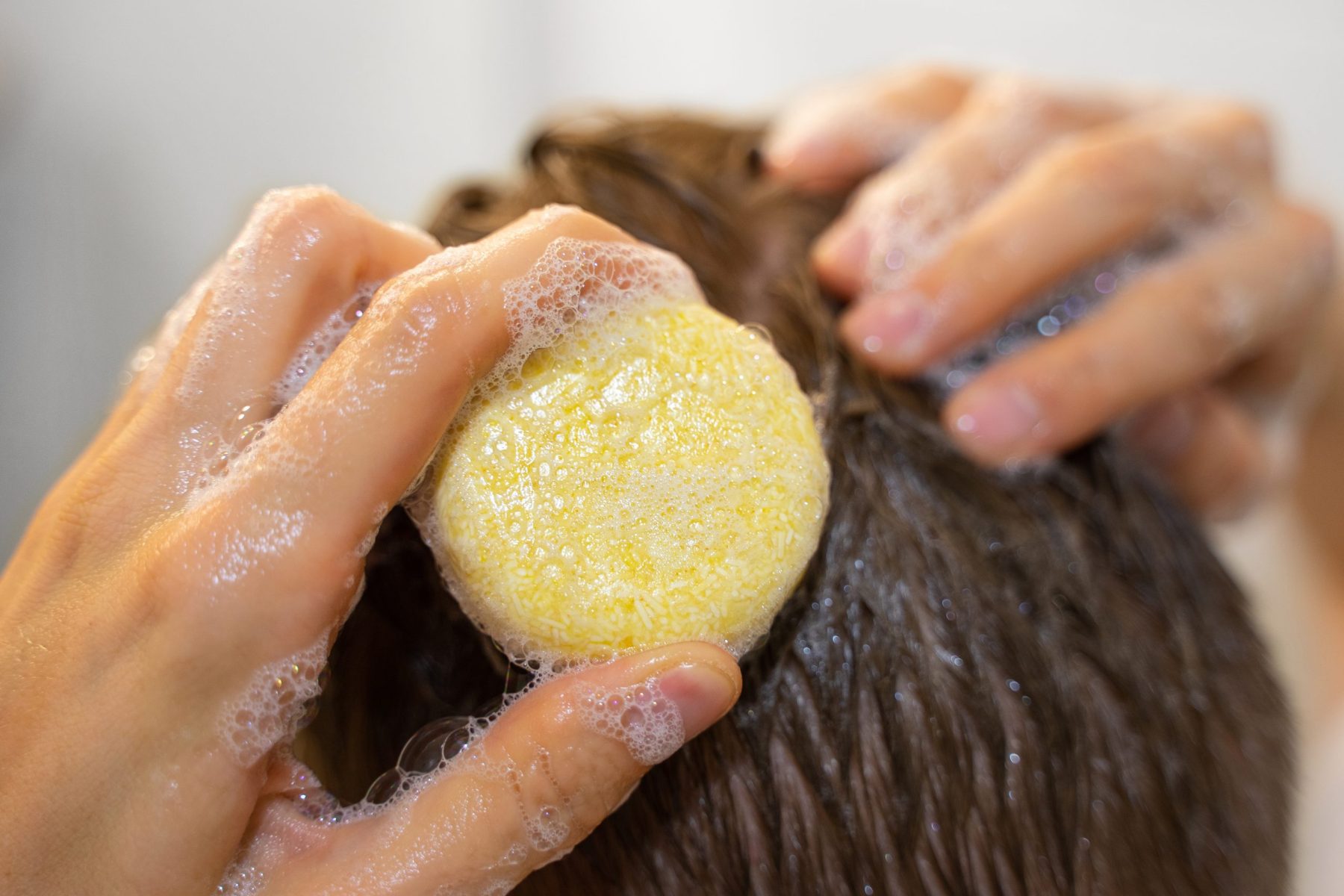
Building a brand around a solid hair cleanser sounds simple until the first production run lands and you find out the bar crumbles in transit, or it goes mushy after two showers, or your customers report tangled hair after a week. Quality, in this category, is not a marketing word. It is the difference between a product that earns repeat purchases and one that quietly tanks your reviews.
We work with indie founders, hospitality buyers, and established personal care labels every day, and the same questions keep coming up. What actually makes one bar better than another? What should brands push their manufacturer on before signing off on a formula? Below is the list we wish every client had before their first call with us.
A note before we get into the details. There are real differences between cold-process saponified bars and modern syndet formulas, and most of what follows leans toward the syndet side because that is where most retail-ready hair cleansing bars sit today. We will flag the contrast where it matters.
1. Surfactant System and pH Balance
This is where bar quality starts. The cleansing agent does the work, and the choice of surfactant shapes everything downstream: feel, lather, residue, transition phase, color safety. Saponified bars, made by reacting fats with sodium hydroxide, sit at a pH of roughly 9 to 10. Hair, by contrast, prefers a slightly acidic environment around 4.5 to 5.5. That mismatch is why some users report rough, waxy strands after switching, and why an acidic rinse is often recommended with traditional handmade bars.
Syndet (synthetic detergent) formulas are different. They use mild plant-derived surfactants like sodium cocoyl isethionate (SCI), sodium lauryl sulfoacetate (SLSA), or sodium coco sulfate, and the pH can be tuned to match scalp chemistry. High-quality syndet bars cleanse effectively, lather even in hard water, and skip the long transition period that soap-based options often require.
If a manufacturer cannot tell you the pH range of your finished product, that is a red flag.
2. Manufacturing Method (Extrusion vs Hot Pour vs Cold Process)
Production method shapes the physical character of the finished bar. The three you will encounter most often:
- Extrusion: Surfactants and additives are mixed, milled, and pressed under pressure into a dense, uniform billet, then cut and stamped. Extruded bars are typically the hardest and longest-lasting, with consistent density throughout.
- Hot pour: Heated formula is poured into molds and cooled. Faster cycle time, easier color and pattern work, but bars tend to be softer.
- Cold process saponification: Oils plus lye, cured for weeks. Artisanal feel, but bars need acidic rinses and the chemistry is harder to standardize at scale.
For brands going to retail, press-formed extrusion is usually the right answer because the bars survive shipping, storage, and a customer’s bathroom shelf. Hot-poured options earn their keep when a unique shape or layered visual is part of the brand story.
3. Hardness, Density, and Longevity
A good bar should not turn to mush after three showers. Hardness comes from formula composition, the manufacturing pressure, and the binder system. Extruded products generally rate higher on hardness scales because the press compacts the material with significantly more force than gravity-fed molds.
Density matters because it correlates directly with how many washes a customer gets. A 100g extruded shampoo bar will often deliver 60 to 90 washes, depending on hair length and use frequency. Bars from poured methods sometimes look the same on a shelf but yield 40 percent fewer uses.
Brands that publish wash-count claims need to back them up. Test it. Document it. The FTC has gotten more active around unverified durability claims in personal care.
4. Hard Water Performance
This one gets overlooked. Most of the United States has moderate-to-hard water, and saponified bars react with calcium and magnesium ions to form an insoluble residue, what some refer to as “soap scum,” which sits on the hair shaft and feels gummy. Customers in mineral-heavy regions often blame the bar when the real problem is their tap.
Syndet formulations sidestep this because synthetic surfactants do not bind with mineral ions the same way. Adding chelating agents like sodium phytate or citric acid at low concentrations can further help. If your customer base skews toward areas like Phoenix, Las Vegas, or much of the Midwest, this is worth raising with your manufacturer before formula lock.
5. Lather Quality and Sensorial Feel
Customers expect rich foam. Whether it actually cleans better is debatable, but perceived performance shapes reviews. Lather depends on the surfactant blend, the inclusion of secondary foam boosters like cocamidopropyl betaine, and the presence of sugar-based co-surfactants.
Sensorial feel goes beyond bubbles. Slip during application, the rinse-out experience, the feel of the strand once dry, all of it gets shaped at the formulation stage. We spend a lot of time on what we sometimes call the “shower test” because no consumer review ever reads “the INCI looked great.”
6. Ingredient Quality and Sourcing
Cleansers are the workhorses, but conditioning agents, fatty alcohols, panthenol, nourishing ingredients like shea or cocoa butter, and botanical extracts shape the perception of quality. Cheap raw materials lower your cost per bar and damage the experience. There is no way around that.
A few sourcing realities brands should think about:
- Cosmetic-grade raw materials should come with full Certificate of Analysis documentation
- Heavy metals testing matters, especially for natural pigments and clays
- Allergen disclosure is becoming a bigger deal under MoCRA. FDA is expected to issue its proposed fragrance allergen labeling rule in May 2026.
- “Naturally derived” and “natural” are not the same thing, and organic claims on agricultural ingredients require USDA NOP certification
7. Regulatory and Labeling Compliance
This is where a lot of indie brands stumble. Under U.S. law, soap products consisting primarily of an alkali salt of fatty acid and making no label claim other than cleansing of the human body are not considered cosmetics under FDA jurisdiction. The moment your bar is marketed as a hair cleanser, or makes any beauty claim, it falls under cosmetic regulation.
Under MoCRA (the Modernization of Cosmetics Regulation Act of 2022), all cosmetic manufacturing facilities and finished products sold in the U.S. must be registered with FDA. Manufacturers and processors must register their facilities with FDA and renew their registration every two years. A responsible person (typically the brand) must list each marketed product, including its complete ingredient deck.
Watch out for inadvertent drug claims. Treats dandruff. Cures dry scalp. Stimulates regrowth. All of those statements push a product into OTC drug territory and trigger a separate, much heavier compliance burden.
Key MoCRA Requirements for Solid Hair Cleansing Bars
| Requirement | Who Is Responsible | Frequency |
| Facility registration (Form 5066) | Manufacturer | Every 2 years |
| Product listing (Form 5067) | Brand (responsible person) | Annually |
| Ingredient disclosure | Brand | At listing |
| Adverse event reporting | Brand | As they occur |
| GMP compliance | Manufacturer | Ongoing |
| Fragrance allergen labeling | Brand | Pending May 2026 rule |
8. Quality Control and Consistency Across Runs
A brand can lock a perfect formula and still get burned on consistent quality across production runs. Color drift between batches. Slight weight variance. A bar from January that lathers differently than one from June. Customers notice.
Reputable contract manufacturers run in-process checks at multiple points:
- Raw material verification at intake, with COA review
- Mid-production hardness, pH, and weight sampling
- Microbial testing on finished goods, especially for water-containing formulas
- Visual and sensory checks on finished, packaged units
- Stability and shelf-life challenge testing on each new formula
Ask your prospective partner what their batch documentation looks like. Ask to see a redacted example. If they cannot produce one, walk away.
What to Ask Before You Sign
A short list of questions worth raising on the first technical call:
- What is your typical batch-to-batch variance on weight and density?
- How do you handle a failed in-process test?
- Are you registered under MoCRA, and can you share your FEI?
- What is your minimum order, and how does pricing scale?
- Who owns the formula if we end the relationship?
9. Stability, Packaging, and Shelf Life
A finished bar that performs perfectly on the lab bench can fail in a customer’s bathroom. Solid hair products absorb moisture, oxidize, and lose fragrance over time. Stability testing simulates shelf conditions across temperature and humidity ranges, and a manufacturer should be able to give you a defensible expiration or PAO (period after opening) date.
Packaging is part of the formula’s success. Cardboard cartons breathe, which is good for cure but bad if the shampoo bar ships through humid distribution centers. Shrink-wrap protects but locks in moisture if the product was packed warm. Plastic-free brands often fight a real engineering problem here, not just a cost problem.
A few practical considerations on shampoo bars:
- Wrapping: Compostable cellulose film performs reasonably well; uncoated paperboard can wick moisture
- Inserts: Silica desiccants are an option for export to humid markets
- Labeling: Direct-print on the bar surface is an emerging option; saves an SKU step
- Packaging shape: Round bars roll, square bars do not, and that affects retail display
- Shipping: Bars over 100g in summer heat will warp without insulated cartons
10. Manufacturer Capability and Partnership Fit
The last factor is the one most brands underweight. The right partner is not the cheapest quote in your inbox. It is the one whose minimums match your launch volume, whose timeline matches your retailer commitments, and whose technical depth covers what you do not yet know.
We have seen brands burn six months on a manufacturer who could not actually deliver the manufacturing methods they claimed. We have also seen brands jump to a giant contract maker too early and get deprioritized behind larger accounts. Fit matters.
Some honest filter questions:
- Can they do small pilot runs to test market response before a full production batch?
- Do they have experience with your retail channel (mass, prestige, hospitality, DTC)?
- Are they vertically integrated, or do they outsource pieces of the process?
- What does their R&D capacity look like if you want to extend into conditioner bars or related formats later?
A capable manufacturer should be able to walk you through their process honestly, including the things they do not do. Ours, for instance, focuses on extruded and pressed-bar formats; we are upfront when a brief is better suited to a different production approach.
Quality Quick-Reference: What “Good” Looks Like
| Quality Factor | Acceptable | Premium |
| Hardness (Shore D) | 35–45 | 45+ |
| pH (syndet) | 5.0–7.0 | 5.5–6.5 |
| Wash count (100g bar) | 50–60 | 70–90 |
| Batch weight variance | ±5% | ±2% |
| Production lead time | 8–10 weeks | 6 weeks |
| Stability data on file | 6 months | 12+ months |
Frequently Asked Questions
What to look for in a shampoo bar?
Start with the cleansing system. A pH-balanced syndet bar built around mild, plant-derived surfactants like sodium cocoyl isethionate will outperform a saponified bar for most modern hair types. Check density and hardness, since softer products dissolve faster in shower conditions. Look for full INCI disclosure, MoCRA-registered manufacturing, batch-tested water performance in mineral-rich regions, and stability documentation. Avoid drug claims, vague “natural” labeling without certification, and any product without verified shelf life data.
What is the best brand of bar shampoo?
There is no single winner. The right brand depends on hair type, water hardness, scalp condition, and price tolerance. Indie labels using syndet formulations with SCI or SLSA tend to outperform handmade soap-based options for color-treated and curly hair. Established players like HiBAR, Ethique, and Viori have invested in water performance testing across markets. The actual quality benchmark is reproducibility: does the bar your customer buys today perform the same as the one they bought six months ago?
Which is better, Viori or Kitsch?
Both are syndet-based and both have invested in proper formulation, so both clear the basic quality bar. Viori positions its bars around rice water and emphasizes pH-balanced syndet chemistry that protects color-treated hair. Kitsch tends to lean toward broader retail availability and a wider scent range. For curl pattern preservation and color safety, Viori has stronger formulation depth. For accessibility and price point, Kitsch is the easier entry point. In our experience, customer satisfaction tracks more with hair-type matching than with brand.
What to avoid in shampoo bars?
Skip products that pair drug-style claims with cosmetic ingredients, since this often signals poor regulatory awareness. Avoid bars that go mushy in storage, indicating a soft formula or inadequate cure. Walk away from any maker that cannot share batch documentation, MoCRA registration, or stability data. Unverified “organic” claims without USDA NOP backing are a yellow flag. Sodium tallowate in a vegan-marketed product is a red one. Strong, persistent fragrance often masks raw material quality issues.
How does extrusion compare to hot pour for shampoo bar production?
Extrusion compresses formula under high pressure into a dense, uniform billet that gets cut and stamped, while hot pour relies on heated formula setting in molds. Extruded bars are harder, more durable in transit, and more consistent batch-to-batch. Hot pour offers more flexibility for layered colors and unusual shapes, but the resulting bars are softer and dissolve faster. For retail-bound brands prioritizing shelf life and customer wash count, extrusion typically wins. For limited-edition or visually intricate runs, the hot pour method earns its place.
Are syndet bars considered soap?
No. Syndet cleansers do not meet FDA’s definition of soap and are regulated as cosmetic products, even when marketed as soap. The distinction matters legally and on the label. True soap is the salt of a fatty acid produced by saponification with lye. Syndet products use synthetic surfactants, which are processed from oils, fats, or petrochemicals through different chemical reactions. A “shampoo bar” sold as a hair cleanser is almost always a syndet and falls under MoCRA registration requirements regardless of how it is marketed.
How long should a quality shampoo bar last?
A well-formulated 100g extruded bar should deliver 60 to 90 washes for users with shoulder-length hair, washing every two to three days. Wash count drops significantly with longer hair, daily washing, or improper storage. Bars left sitting in standing water dissolve faster. Premium products that include effective binders and chelating agents like citric acid maintain integrity longer. Tested claims should appear in stability documentation. If a manufacturer cannot verify wash-count durability under controlled conditions, treat the marketing claim with skepticism.
Ready to Build a Hair Cleansing Bar That Actually Holds Up?
Quality is not luck. It is the result of formulation discipline, the right production method, real QC, and a partner who understands both the regulatory and retail realities of this category. That is the work we do every day.
If you are evaluating contract partners for your next launch, we would be glad to walk you through our pressed-bar manufacturing process and show you what consistent, retail-ready output looks like. Get in touch and we will set up a technical call.