


Solid Shampoo and Conditioner
SCI vs Surfactant-Based Shampoo Bars: 10 Things Every Brand Owner Should Know Before Launching
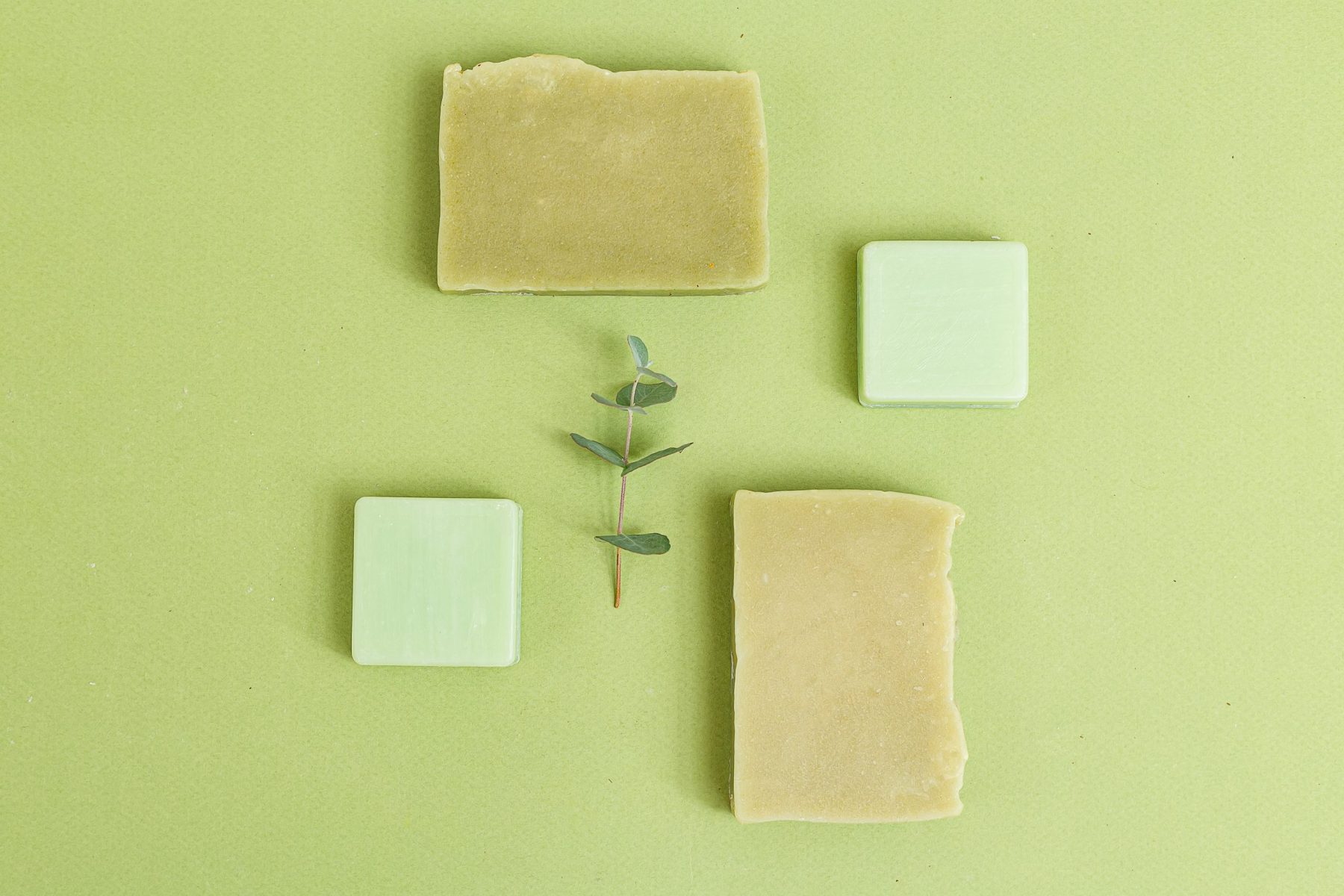
Brand owners stepping into the solid hair care category quickly run into a fork in the road. Should the formulation be built around sodium cocoyl isethionate, or should it pull from a wider mix of gentle cleansing agents? The answer is rarely simple, and the choice ripples through cost, performance, sourcing, and shelf appeal.
Below are ten things worth understanding before locking in a formulation strategy. Some are obvious, others come from years of working on the production floor and watching brands learn the hard way.
1. The Two Categories Aren’t Really Opposites
It’s tempting to think of SCI as one thing and “surfactant-based” as another. In reality, sodium cocoyl isethionate is a surfactant. The distinction most people are making is between bars built primarily around SCI and bars that use a blend of synthetic detergents such as sodium lauryl sulfoacetate, sodium cocoyl glutamate, sodium methyl cocoyl taurate, or coco-glucoside.
So when a brand asks for “an SCI bar,” they’re usually asking for a formula where SCI dominates the cleansing system. When they ask for a surfactant blend bar, they’re opening the door to a more flexible recipe.
This matters because the two approaches deliver different lather, feel, and price points.
2. SCI Has Earned Its Reputation, But It’s Not Magic
SCI is mild. It’s derived from coconut. It produces creamy lather. Those three traits made it the darling of the indie shampoo bar movement, and for good reason.
But SCI is also:
- More expensive than many alternatives
- Harder to source consistently in large volumes
- Sensitive to temperature during processing
- Available in different particle sizes that affect bar texture
In our experience, brands that fall in love with SCI on paper sometimes get surprised when sample quotes come back. It’s a premium ingredient, and that premium shows up in the per-unit cost.
3. Surfactant-Based Shampoo Bars Are Essentially Solid Versions of Liquid Shampoo
Here’s a useful mental model. A typical bar made with gentle-cleansing surfactants is, in many ways, a solidified version of what you’d find in a bottle. The same families of cleansing agents appear in both. The difference is the binding system, the absence of water, and the format.
This has implications for performance. A well-formulated solid bar can match liquid shampoo on lather, rinse, and post-wash feel. It can also match on price per wash, depending on how it’s positioned.
4. Cost Per Bar Varies More Than Most Brands Expect
Here’s a rough comparison brand owners can use as a starting reference. Actual figures vary based on volume, packaging, and ingredient sourcing.
| Formulation Approach | Relative Raw Material Cost | Typical Use Case | Lather Profile |
| SCI-dominant | Higher | Premium indie, salon-tier | Creamy, dense |
| Mixed surfactant blend | Moderate | Mid-tier retail, subscription | Bubbly, balanced |
| Soap-based bars | Lower | Budget eco, traditionalist | Variable, alkaline |
| Coco-glucoside heavy | Moderate to high | Sulfate-free, sensitive | Soft, low-foam |
The middle column matters more than the first. Where the product fits on the shelf often dictates which formulation makes sense, not the other way around.
5. Hair Type and Scalp Compatibility Should Guide Formulation
Different cleansing agents behave differently on different hair textures. Curly and coily textures often respond well to milder formulas with conditioning surfactants. Fine, oily hair near the scalp tends to need a more thorough cleanse, which a slightly stronger blend can provide. Color-treated hair benefits from formulations that protect the cuticle and avoid stripping deposited pigments.
A few useful pairings:
- Fine, oily hair: Mixed surfactant blends with moderate cleansing strength
- Curly, dry hair: SCI-forward bars with added conditioning agents
- Color-treated hair: Sulfate-free blends, often coco-glucoside based
- Sensitive scalps: Low-irritation surfactants, fragrance-free options
- Thick, coarse hair: Higher-foam blends for product distribution
Is there a single formula that works for everyone? Honestly, no. Brands that try to build one usually end up with something average for everyone and exceptional for no one.
6. Manufacturing Method Influences Ingredient Choice
Solid shampoo bars require more surfactants than soap-based products on a percentage basis, often 50% to 70% of the formula. How that mass gets pressed or poured into a bar affects which ingredients can be used.
Cold-pressed (extruded) bars handle SCI well, since the process avoids high heat that can degrade the ingredient. Hot-poured bars can incorporate certain surfactants, but the heat profile limits options. Some surfactants liquefy at lower temperatures and don’t hold shape in a poured format.
Brand owners should ask their manufacturer which method they use before finalizing a formula. The wrong pairing produces a bar that crumbles, sweats, or fails to harden properly.
7. Sustainability Claims Need Careful Wording
Solid hair care products are often marketed as eco-friendly because they reduce plastic waste from bottles. That’s a legitimate benefit. But brand owners should be careful about how the claim gets framed.
Some considerations worth flagging:
- “Plastic-free” requires plastic-free packaging, not just a solid format
- “Natural” is unregulated; “organic” requires USDA NOP certification for agricultural ingredients
- Biodegradability claims need substantiation, ideally tested data
- Carbon footprint claims should reference specific lifecycle analysis
The FTC’s Green Guides offer guidance on environmental marketing claims, and brands that overreach can face complaints. Better to make narrower, defensible claims than broad ones that invite scrutiny.
8. Lather Expectations Drive Customer Reviews
This one comes up constantly. A bar that lathers beautifully in a stylist’s hands might disappoint a customer who’s used to pumping liquid shampoo. Education matters, but formulation matters more.
If a target customer expects rich, immediate foam, an SCI-heavy formula tends to deliver that better than a coco-glucoside blend. If the customer is sulfate-averse and tolerant of softer foam, the opposite is true.
Brands that mismatch lather expectations to their audience tend to get hit with reviews like “doesn’t feel like it’s cleaning” or “took forever to work up a lather.” These complaints are formulation problems disguised as customer expectation problems.
9. Regulatory Classification Differs From Traditional Soap
Under FDA rules, true soap has a specific regulatory exemption when marketed solely for cleansing. Bars built around synthetic detergents (often called syndet bars) don’t qualify for that exemption. They’re regulated as cosmetics under the Federal Food, Drug, and Cosmetic Act.
What does that mean practically?
- Ingredient labeling must follow cosmetic regulations
- Claims like “moisturizing” trigger cosmetic classification automatically
- Drug-style claims (treating dandruff, for example) require OTC drug registration
- MoCRA registration applies to facilities and products
Brand owners launching into this space should work with a manufacturer who understands the difference. Mislabeling a syndet bar as “soap” is a common, avoidable error.
10. The Right Partner Asks About Your Customer Before Your Formula
This is the part most brand owners learn after a few rounds of sampling. A good contract manufacturer doesn’t start with “what ingredients do you want?” They start with “who’s buying this, where are they buying it, and what do they expect from it?”
Formulation flows from positioning. A premium natural shampoo line for high-end retail won’t share a formula with a hospitality-focused amenity bar, even if both are technically syndet bars. A subscription-box brand targeting eco-conscious millennials needs different lather, fragrance, and bar shampoo aesthetics than a salon-exclusive line.
When the conversation starts with the customer, the formula tends to fit. When it starts with the formula, the brand often spends months reformulating after launch.
Frequently Asked Questions
Is it good to use surfactant-based shampoo?
For most people, yes. Modern surfactant-based formulas use mild cleansing agents that lift dirt and oil without disrupting the scalp’s barrier. They tend to be less alkaline than soap, which makes them friendlier to color-treated and chemically processed hair. The main thing to watch for is matching the surfactant blend to your hair type. Sensitive scalps benefit from low-irritation blends, while oily hair often needs slightly stronger cleansing power. Reading the ingredient list helps more than reading marketing copy.
Who makes the best shampoo bars?
There’s no single answer, since “best” depends on hair type, budget, and values. Several indie brands have built strong reputations in the solid hair care space, and contract manufacturers across the United States produce private label bars for hundreds of labels. The best bar for a given person is usually one formulated for their specific hair texture, scalp condition, and preferences. Brand owners launching new lines should focus less on competing with existing names and more on serving an underserved customer segment well.
What do the Amish use for shampoo and conditioner?
Many Amish communities use traditional soap-based products, including handmade bars formulated with tallow, lard, or vegetable oils saponified with lye. Some use commercially available shampoos as well; practices vary by community and family. There’s no single Amish standard, and the assumption that all Amish people use the same products is a misconception. What’s consistent is a preference for simple, often homemade, cleansing products. That tradition has influenced parts of the modern artisan soap movement, though most commercial syndet bars use very different chemistry.
What are the downsides to shampoo bars?
A few practical drawbacks come up regularly. Bars take longer to lather than liquid shampoo, especially in hard water. They need a draining dish or holder, or they’ll soften and waste away. The transition period from liquid to solid can leave hair feeling waxy for one or two washes, particularly with soap-based bars. Travel can be tricky if the bar is wet. And some formulas, especially older ones, leave residue on color-treated hair. Most of these issues come down to choosing the right formula for your hair type.
Ready to Bring Your Solid Hair Care Concept to Life?
Whether your brand is leaning toward an SCI-forward formulation, a balanced blend of gentle cleansing agents, or something more experimental, the right manufacturing partner makes the difference between a great product and a costly reformulation cycle. Our team works with indie founders, established retailers, and hospitality groups to develop bars that fit the customer, the channel, and the budget.
Reach out for a conversation about your project, and we’ll walk through formulation options, MOQs, and timelines.